ECO-4041 · REV T · effective November 18, 2026
Automation & RoboticsRELEASEDEngineering notice
GM reportedly plans 20% factory automation increase by 2028
Reuters says GM aims to raise North American factory automation 20% by 2028, build robots in Kokomo and link supplier scorecards to the next UAW contract.
Scope of change
- GM reportedly targets a 20% increase in automation use across North American factories by 2028.
- Reuters reports internal robot development and assembly at GM’s Kokomo, Indiana, plant.
- GM requests automation plans from parts suppliers and uses a scorecard in contract decisions.
- Current UAW contracts expire in spring 2028; the union represents about 50,000 GM factory workers.
- GM estimated $575 in added labor cost per vehicle, compared with Ford’s $900 estimate.
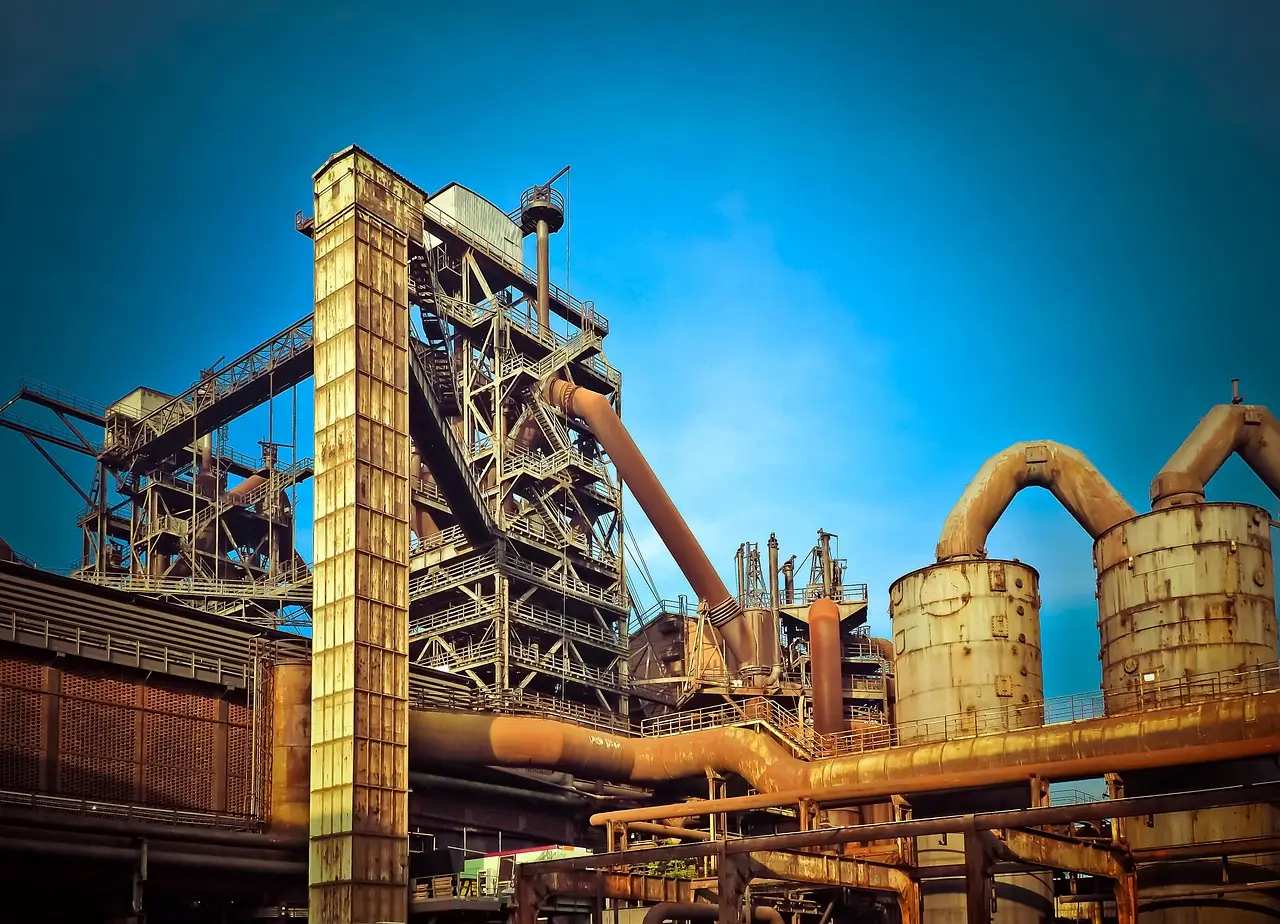
General Motors reportedly plans to raise automation use 20% across its North American factories by 2028 to manage higher labor costs and onshoring expenses, meaning the cost of shifting production back to the region. Reuters cited unnamed sources for the target, and no named GM executive confirmed the figure in the report.
It therefore remains a reported intention, not a confirmed operating plan. The target concerns automation use, not vehicle output or a stated headcount reduction. Reuters supplied no baseline, dollar investment, task list or labor-hour saving, so the 20% cannot yet be translated into plant capacity, cost or jobs.
What is GM building at Kokomo?
Reuters reported that GM is developing robots internally and assembling them at its Kokomo, Indiana, plant in the United States. The program includes autonomous mobile robots, meaning machines that transport parts around manufacturing locations. This work sits inside the original equipment manufacturer rather than a named supplier.
GM continues to purchase robotics equipment from external suppliers while expanding internal development. Last year, the automaker said it had around 100 roboticists, artificial intelligence engineers and hardware specialists working on advanced robotics systems. Reuters gave no Kokomo production schedule, investment figure or rollout date for other North American plants, leaving the division between internal robots and purchased systems undefined.
How will automation shape supplier contracts?
GM is requesting automation plans from parts suppliers seeking new contracts, Reuters reported. The sources said the OEM evaluates supplier automation through a scorecard, a structured assessment used in contract decisions. That creates a direct commercial link between factory technology and procurement.
The request makes automation planning relevant to contract access, not merely to suppliers’ own factory operations. GM did not name participating parts suppliers, identify their supplier tier or disclose the score thresholds, contract categories and timetable. Reuters also supplied no production data against which to test those requests.
Why does automation matter in the 2028 talks?
Automation is expected to feature in the next United Auto Workers (UAW) negotiations with GM, Ford Motor and Stellantis. Their current contracts expire in spring 2028, and the UAW represents about 50,000 GM factory workers.
GM said it “uses automation to improve safety, quality and efficiency.” That statement did not link the reported 20% target to job cuts, leaving productivity and cost control as the disclosed rationale rather than a confirmed workforce plan.
US automakers have increased automation to contain manufacturing costs after the UAW’s 2023 contract gains. GM previously estimated that its agreement would add about $575 in labor costs per vehicle. Ford estimated an additional $900 per vehicle, $325 more than GM’s estimate; neither figure shows how much automation spending will offset.
What do GM’s latest numbers show?
GM narrowed its 2026 adjusted earnings before interest and taxes (EBIT) guidance to $14.5 billion–$15.5 billion from a previous $14 billion–$16 billion range. Alongside the updated forecast last month, the automaker approved a new $20 billion share repurchase authorization.
For the third quarter ended September 30, 2026, GM reported revenue of $50.01 billion, up 2.9% from a year earlier. Net income attributable to stockholders rose to $3.33 billion from $1.32 billion, while adjusted EBIT increased 21.6% year on year to $4.10 billion.
Operating income reached $3.59 billion, compared with $1.07 billion in the third quarter of 2025. Diluted earnings per share (EPS), profit measured against diluted shares, was $3.73, against $1.35. The quarter improved across the reported revenue and profit measures, while the narrower annual EBIT range reduces forecast latitude.
The earnings figures do not isolate the effect of robotics on margins or labor. Nor does the update identify a factory investment budget for the internal robot program, leaving the spending commitment separate from the authorized share repurchase.
What should readers watch next?
The next checkpoints are a Kokomo deployment date, a verified increase from GM’s undisclosed automation baseline, and the supplier scorecards used in contract awards. The policy decision will emerge from UAW bargaining ahead of the spring 2028 contract expirations. Without a launch schedule, capacity milestone or headcount plan, observers should treat the 20% figure as a reported ambition, not an output promise.
via reuters.com (Original)
More from Sophie Lindqvist
Show full bio
Correspondent covering money, funding and market shifts around Automotive manufacturing and vehicle production at Autoplant Brief.
318 articles