ECO-2067 · REV H · effective November 18, 2026
Automation & RoboticsRELEASEDEngineering notice
GM to Add 20 Percent More Robots Across North American Plants
GM will add 20 percent more robots to North American factories within two years, building them in-house at its 90-year-old Kokomo, Indiana electronics plant to fight labor costs.
Scope of change
- GM plans a 20 percent increase in robots and automation at North American plants over two years.
- The machines will be built and integrated in-house at GM's 90-year-old Kokomo, Indiana facility.
- GM installed the first industrial robot, a Unimate, in 1961 at its Ternstedt division plant.
- GM ordered 66 Unimate spot welders for Lordstown, Ohio, which reopened in 1970 as the world's most automated auto plant.
- In 1978, the first PUMA robot debuted at GM's Rochester Products division with offline programming.
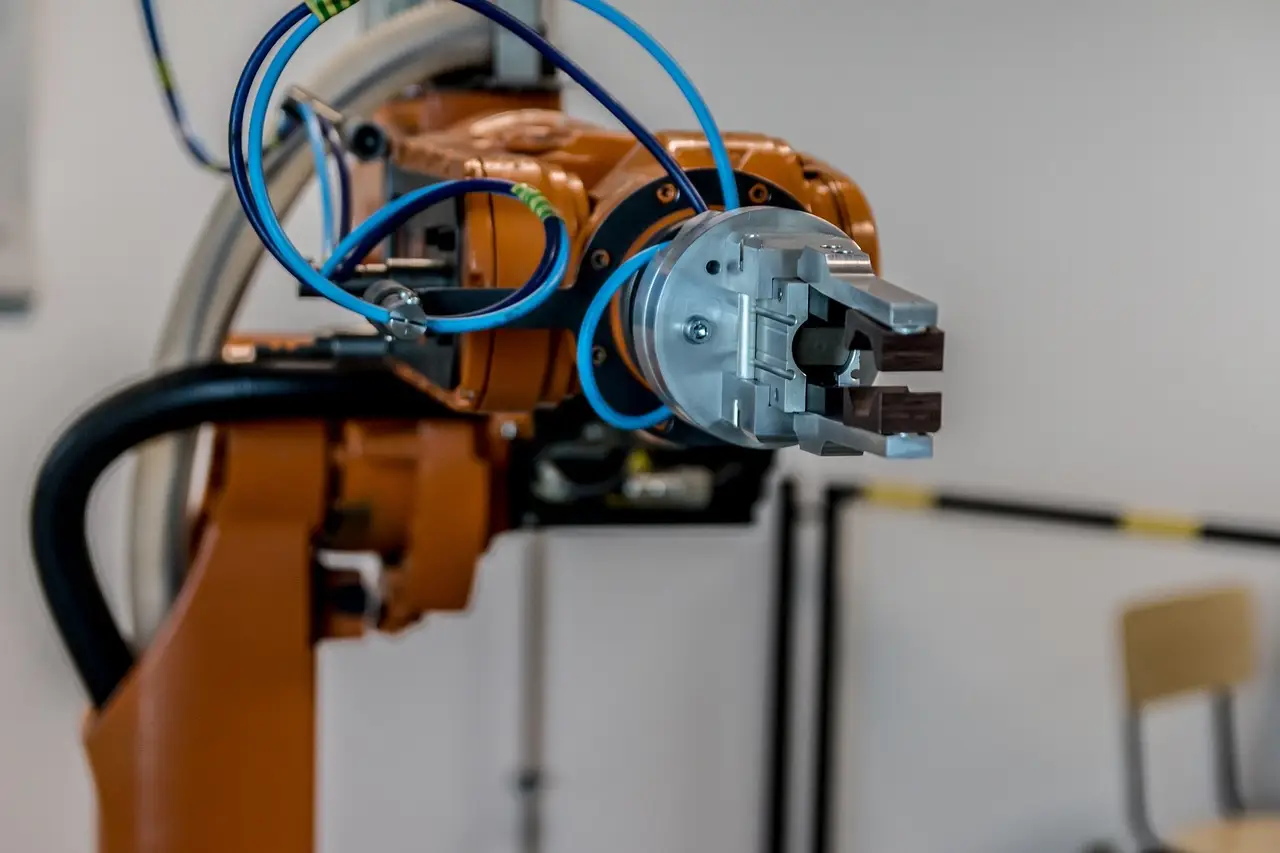
General Motors plans to deploy 20 percent more robots and automation technology at its North American factories over the next two years. Reuters first reported the figure, and the timing matters: GM is grappling with higher labor and onshoring costs, and in-house automation is the answer it's betting on.
The machines will be built and integrated at GM's own facility in Kokomo, Indiana. That plant, which has been operating for 90 years, currently produces automotive electronic components such as engine control modules (the computers that manage engine performance).
What does the push actually involve?
Part of the strategy is deploying autonomous mobile robots (self-navigating vehicles that move material without a human driver) to shuttle parts around GM's plants. Beyond material handling, the automaker says the automation drive targets three goals: safety, quality and efficiency.
The build-and-integrate work staying in-house is the notable part. Rather than buying turnkey systems from integrators, GM wants to control the machines' design and deployment through Kokomo.
A 60-year head start
GM's robotics record goes back further than almost anyone's. In 1961 the automaker installed the first industrial robot application in history: a Unimate machine at the Ternstedt division plant, part of GM's Fisher Body subsidiary. Its job was to sequence and stack hot metal parts coming off a die-casting machine.
Those castings ended up in door handles, gear shift knobs, locks, wheel covers, window regulators and other automotive hardware and trim parts.
The milestones kept coming:
- 1970: GM ordered 66 Unimate spot welding machines for its new Lordstown, Ohio, assembly plant. When it reopened that year, the facility was touted as the most automated automotive factory in the world.
- 1978: The first programmable universal machine for assembly (PUMA) robot went to work at Rochester Products, a GM division specializing in carburetors, fuel injectors and exhaust systems. It featured a robotics first — a special programming language that allowed the device to be controlled offline, away from the production line.
What does this change for GM's plants?
For a workforce that just negotiated steep wage gains, a 20 percent automation increase in two years is a real shift in the plant-floor equation. Robots built in Kokomo mean GM captures the integration margin and the engineering know-how, while cushioning itself against rising labor and onshoring costs on vehicles built in North America.
It also signals that legacy OEMs are choosing internal capability over vendor dependency for a technology they've been refining since the Kennedy administration.
What to watch next: whether GM discloses robot unit counts or a Kokomo headcount figure, and how the first wave of autonomous mobile robots performs in live material-handling routes at the plants receiving them.
via bnpmedia.com (Original)
More from Grace Kim
Show full bio
Staff writer covering people, launches and day-to-day practice in Automotive manufacturing and vehicle production at Autoplant Brief.
293 articles
Also circulated
- GM reportedly plans 20% factory automation increase by 2028
- Humanoid robots reach factory floors at BMW, Tesla and Mercedes
- Toyota Lines Up Y1tn a Year From 2028 for Plant Robot Overhaul
- Japanese Auto Industry Automation Use Hits Five-Year High
- Global Factory Robot Population Passes 5 Million Units, IFR Says