ECO-6443 · REV T · effective November 17, 2026
Automation & RoboticsRELEASEDEngineering notice
Toyota Lines Up Y1tn a Year From 2028 for Plant Robot Overhaul
Toyota and suppliers plan Y1tn ($6.3bn) a year from 2028 to modernise plants, rolling out 400,000 robots and scaling Arene software to 10 million vehicles by 2030.
Scope of change
- Toyota and suppliers plan about Y1tn ($6.3bn) in annual spend from 2028 to modernise production equipment
- The programme covers roughly 400,000 robots: 150,000 at Toyota/Toyota Group plants, 250,000 at suppliers
- Arene software to reach about 50 models and 10 million vehicles worldwide by 2030
- 2028 milestones include L2++ automated driving and an all-solid-state-battery vehicle
- Toyota Motor North America launched Scion by Toyota with the KEI-01 low-speed utility truck
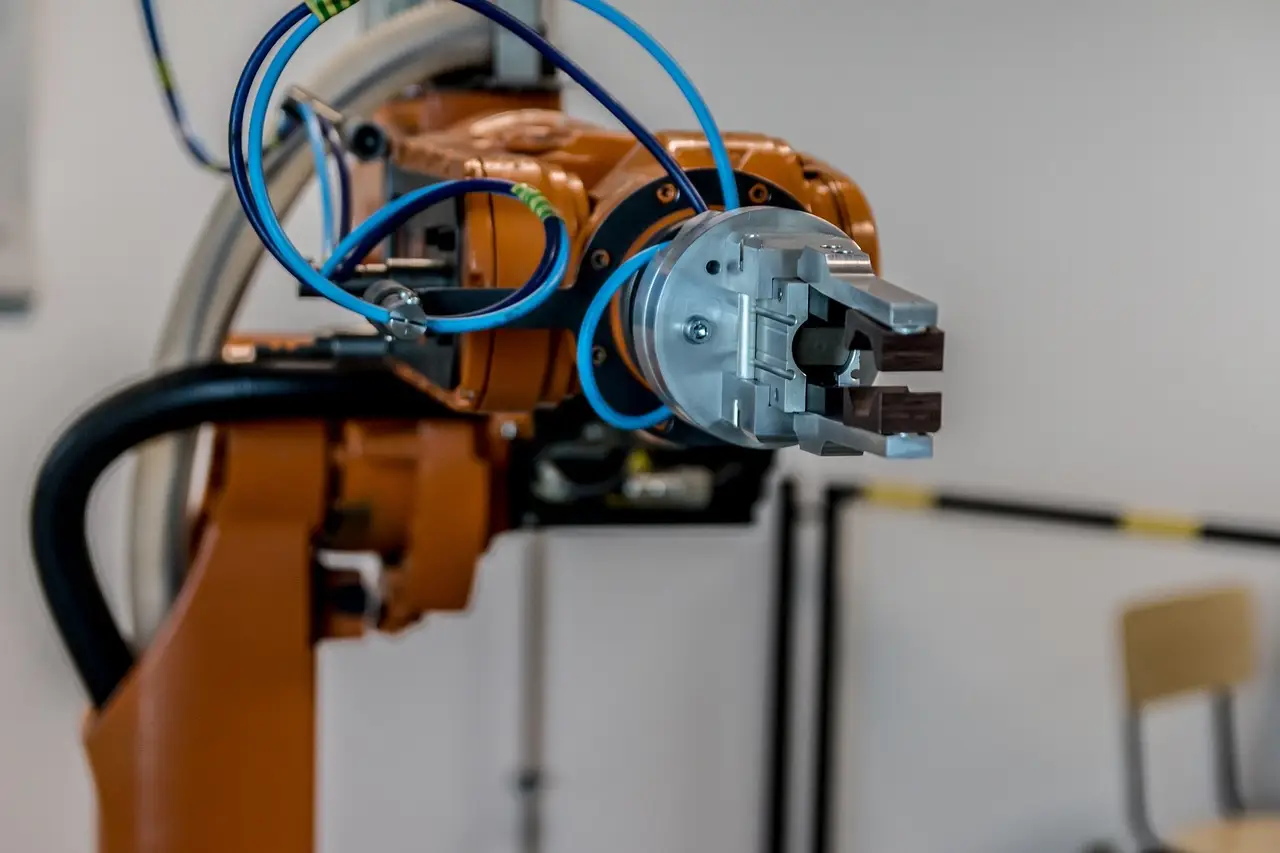
Toyota and its supplier base plan to spend about Y1tn ($6.3bn) every year from 2028 to replace ageing production equipment across their manufacturing operations. That's roughly $6.3 billion per 12 months of capex, sustained — and it's only the hardware budget.
The programme backs the rollout of some 400,000 robots across the wider production network. Around 150,000 units are scheduled for installation inside Toyota and Toyota Group facilities; the remaining 250,000 would go to supplier sites. That split matters: nearly two-thirds of the robot fleet lands at tier-one and below, not on Toyota's own floors. It also means the plan is an intention spanning hundreds of companies, not a single-plant purchase order anyone can audit yet.
Over time, Toyota hopes to commercialise its robotics technologies by supplying other manufacturers and external industries, turning the factory upgrade into a standalone business line. The machine-tool maker becomes a robot vendor, in other words.
How does the automation actually roll out?
The manufacturing programme underpins a phased strategy designed to bolt physical artificial intelligence and robotics onto the Toyota Production System. Three stages are planned:
- Conventional robotics for repetitive tasks
- Synchronised end-to-end production and logistics
- Collaborative environments where humans and robots work side by side
Plant machinery, logistics and supply chains will connect through an integrated Factory Control Platform. One operating layer for everything from press shop to parts delivery — that's the ambition, and it's a large one.
What happens to the software side?
Alongside the industrial overhaul, Toyota is expanding its digital vehicle architecture. The carmaker plans to scale Arene, its proprietary software platform currently featured on the RAV4 and Lexus ES, to approximately 50 vehicle models covering ten million vehicles worldwide by 2030. Potential access would extend to alliance partners.
To put that in perspective: ten million vehicles is roughly a full year of Toyota-group global sales running on one software stack.
Arene is engineered to run applications across differing semiconductor generations. It's also undergoing development for deployment outside automotive — in factories, robotics, infrastructure and homes.
What did Toyota commit to for 2028?
The roadmap, unveiled at Toyota's North American research centre, sets 2028 milestones for vehicle technology:
- L2++ automated driving assistance on selected retail models, using in-house end-to-end AI and real-world driving data
- Rollout of all-solid-state batteries in a vehicle by the end of that year
Toyota Motor Corporation CTO Hiroki Nakajima said: "By bringing those strengths together with advances in AI, software and robotics, we aim to accelerate the development of smarter vehicles, more adaptable manufacturing and new mobility solutions that improve everyday life."
And the other announcement this week?
Separately, Toyota Motor North America introduced a new mobility brand, Scion by Toyota, earlier this week, unveiling its debut vehicle: the KEI-01 ultra-compact utility truck. The model marks the North American entity's entry into the commercial low-speed vehicle market.
A $6.3bn-a-year capex plan, 400,000 robots and a battery chemistry deadline all land in the same window. Watch 2028 — it's either a very busy year in Toyota City or a very revised roadmap.
via just-auto (Source)
More from Daniel Okafor
Show full bio
Senior reporter covering regulation, policy and their impact on Automotive manufacturing and vehicle production at Autoplant Brief.
353 articles
Also circulated
- Toyota Pegs Automation Push at 400,000 Robots, $6.4B a Year
- Toyota Commits ¥1tr a Year From 2028 to Roll Out 400,000 Robots
- Toyota Estimates 400,000 Robots Needed for Factory Automation
- Toyota makes robotics a core pillar from January 2027
- Global Factory Robot Population Passes 5 Million Units, IFR Says