ECO-4503 · REV X · effective October 9, 2026
Automation & RoboticsRELEASEDEngineering notice
Toyota Estimates 400,000 Robots Needed for Factory Automation
Toyota has disclosed an estimate that full automation of its manufacturing footprint could require 400,000 robots. The figure, reported by Assembly Magazine, should be read as planning guidance rather than a confirmed order book.
Scope of change
- Toyota estimates 400,000 robots could be required for factory automation across its manufacturing footprint
- The figure was reported by Assembly Magazine as a Toyota projection, not a confirmed procurement commitment
- Annual global industrial robot installations across all sectors typically run in the high hundreds of thousands
- The 400,000 estimate should be treated as a ceiling scenario until confirmed by capex guidance or supplier order disclosures
- Toyota has historically avoided publishing a single aggregate figure for its automation roadmap
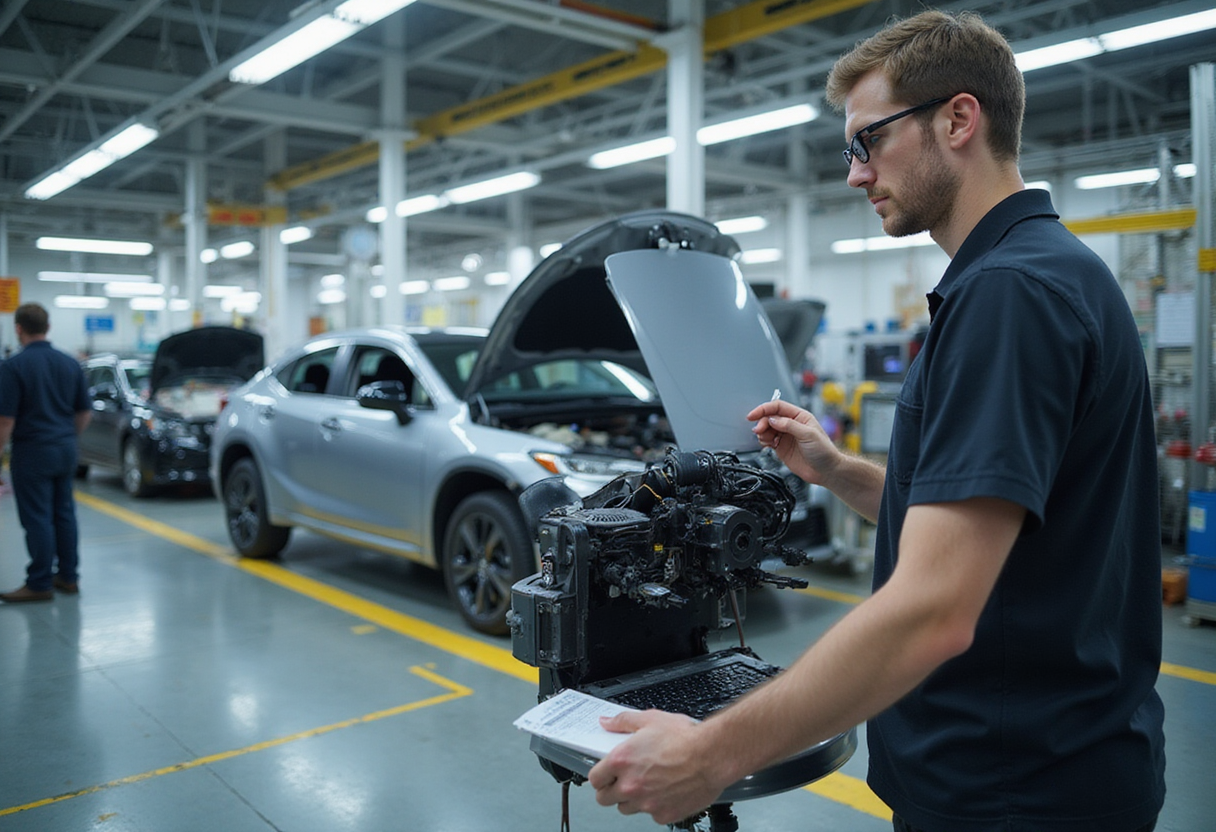
Toyota has put a number on its factory automation ambition: 400,000 robots. That figure, disclosed as an estimate of what automation of the OEM's manufacturing footprint could require, sets a benchmark for the scale of capital and engineering that leading automakers are now willing to discuss publicly in response to labor-market pressures.
The projection comes from Toyota itself, as reported by Assembly Magazine. As an estimate rather than a confirmed procurement commitment, it carries the weight of internal scenario planning — the kind of figure that suppliers, systems integrators and rival OEMs will parse for hints about future capex cycles.
What does 400,000 imply at industry scale?
A 400,000-unit robot count sits at the upper bound of what any single manufacturer would plan for. Annual global industrial robot installations across all sectors and all regions typically run in the high hundreds of thousands; concentrating that volume inside one automaker's plants would represent a step change in vertical integration of production equipment and in the supplier order book that follows.
For the equipment ecosystem, the headline implies multi-year demand for articulated arms, end-effectors, machine vision, controllers, and the integration services required to install, program and maintain each unit at production rate. The Tier-one robot makers most directly positioned for such a pipeline would include Japanese suppliers headquartered close to Toyota's domestic engineering centers, alongside the European and Korean competitors that supply global automaker plants today.
Should the figure be treated as planning, not procurement?
Toyota has framed the number as an estimate tied to a full-automation scenario, not a confirmed order book. The distinction matters for any forecast built on top of it:
- An estimate reflects internal manufacturing-engineering modeling. It typically weighs labor cost trajectories, product mix shifts, plant age, and capacity targets over a multi-year horizon.
- A confirmed commitment would show up in capital expenditure guidance, plant-level installation milestones, and supplier capacity expansions of their own.
Until those signals appear in disclosed capex or supplier earnings, the 400,000 should be read as a ceiling scenario rather than a baseline forecast.
Why is Toyota willing to say it now?
The OEM has previously avoided placing a single headline number on its automation roadmap, preferring plant-by-plant announcements tied to specific vehicle programs. Releasing an aggregate estimate suggests the company now sees value in framing the labor-substitution case for investors and policymakers, particularly as demographic contraction in Japan tightens the available workforce and as wage growth in other major production regions narrows the labor-cost gap that historically justified offshoring.
For competing OEMs, the public framing also functions as a competitive signal: any rival pursuing a less aggressive automation path will need to explain, in their own investor communications, why their per-vehicle labor content is sustainable.
What should readers watch next?
Three milestones will convert this estimate into a measurable industrial story:
- Toyota's next capital expenditure guidance, where the company typically disaggregates equipment spending by region and category. Watch for the share allocated to automation hardware and integration services.
- Supplier earnings commentary from the major robot makers, particularly on order intake attributed to automotive OEM customers and on capacity expansion plans of their own.
- Plant-level announcements at named Toyota facilities, where installation phasing, program timing and tied vehicle launches will reveal whether the estimate is being executed against or revised down.
For Autoplant Brief readers tracking automation density per vehicle produced and per plant, the 400,000 figure is the number to anchor reporting on over the next reporting cycle.
via Google News: Automotive assembly automation (Source)
More from Daniel Okafor
Show full bio
Senior reporter covering marketplaces and e-commerce at Autoplant Brief.
181 articles