ECO-5377 · REV F · effective November 16, 2026
Production TechnologyRELEASEDEngineering notice
AI helps Amerequip filter 68,000 engineering prints
Amerequip says engineers can filter more than 68,000 drawings in seconds, linking historical quality, cost and supplier data to component-reuse decisions before design advances.
Scope of change
- Amerequip has more than 68,000 engineering prints in the CADDi system.
- Dorn says filtering provides access to all 68,000 prints within seconds.
- A search for a 4.5-inch brass sheave can identify five candidate prints.
- Amerequip's product-development process can take 12 to 24 months, depending on complexity.
- Historical quality, scrap, warranty, cost and supplier data can support part-reuse decisions.
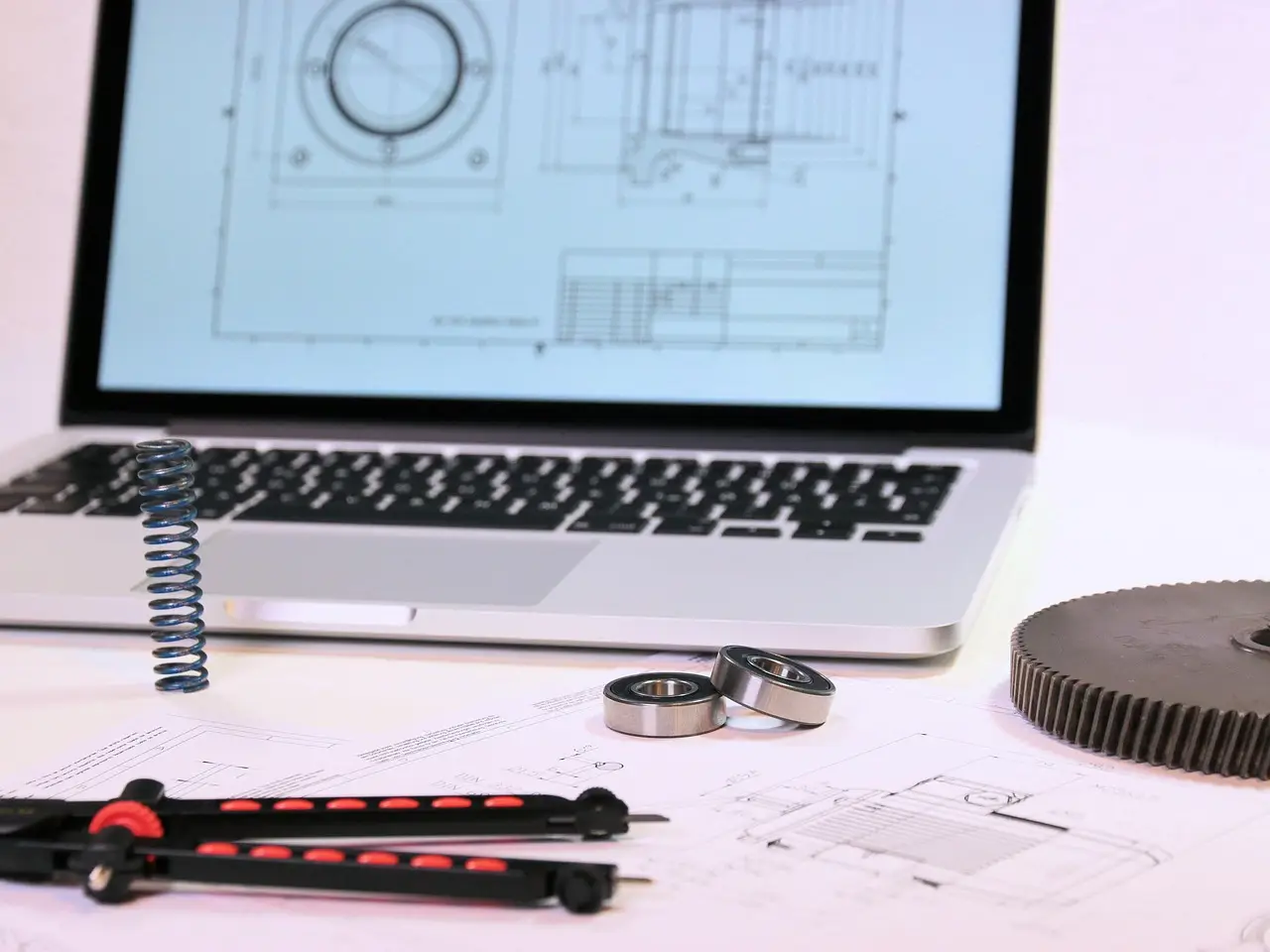
More than 68,000 engineering prints (manufacturing drawings) sit in Amerequip's CADDi system, searchable within seconds as new-product development can take 12 to 24 months. Tim Dorn, vice president of engineering at Amerequip, said: “I've got access to all 68,000 within seconds based on my filtering process.”
A Birmingham, Mich., case study appears in Assembly Trends’ “AI on the Factory Floor,” Episode 7. It shows how the manufacturer applies artificial intelligence (AI) to component-reuse decisions before a new design advances.
Finding an existing component can keep an engineer from designing or specifying another part. A drawing alone does not establish whether that component is the best choice.
Historical quality, warranty, supplier and cost records provide context for that judgment. For example, Dorn said a search for a 4.5-inch brass sheave might identify five existing prints that potentially meet the design requirements.
The engineer can then examine the history attached to each candidate. Dorn said: “I have access now to all five of those prints and the quality data behind it, scrap data, warranty data, I've got the cost data, I've got the supplier data.”
Engineers can also trace where a component has been used. They can identify which bill of materials (the list of parts needed to build a product) contain it and what engineering change notices (records of controlled design changes) are associated with it. Those links allow an engineer to remove options before incorporating a component into another product.
One of the five sheaves, for example, might come from a supplier whose component has performed poorly historically. The engineer can discard that option and continue filtering, leaving candidates with an established cost, a proven supplier and previous testing and validation (checks against design requirements).
In the sheave example, the result resembles a five-item supplier-qualified shortlist rather than a list of dimensional matches. Dorn said the process can make an engineer smarter even for a one-part decision because it exposes evidence beyond the drawing itself.
Those individual choices accumulate during new-product development, where complexity determines whether Amerequip's process runs 12 to 24 months. Earlier access to component history gives engineers time to select a proven component before supplier, testing, warranty or assembly problems recur at a later design stage.
What should buyers verify?
The video claims that earlier selection can reduce repeated supplier, testing, warranty and assembly problems in new designs. It does not quantify savings, defect rates, warranty costs or the number of programs using CADDi, so the claimed business result remains unverified within the source.
The episode presents CADDi as a search tool under engineer control, not as an autonomous component-selection system. Assembly Trends separately promotes Ask ASM as a new smart AI search tool for quick answers on assembly and manufacturing topics. It supplies no adoption, response-accuracy or production-use data for that tool.
Repository scale and workflow performance also remain separate questions. More than 68,000 searchable prints show an available data set; the episode discloses no deployment scope, integration effort, pricing, measured time savings or production outcomes.
The next milestones are quantified search time, the share of candidates removed before incorporation and warranty or assembly results from a 12-to-24-month program. Until those measures appear, the 68,000-print reach and five-candidate sheave workflow establish the operating concept, not verified savings.
via bnpmedia.com (Original)
More from Sophie Lindqvist
Show full bio
Correspondent covering money, funding and market shifts around Automotive manufacturing and vehicle production at Autoplant Brief.
318 articles
Also circulated
- AI Search Cuts Duplicate Part Numbers at Amerequip Before New SKUs Are Created
- Automakers Push AI Deeper Into Assembly Plant Operations
- Kistler says system inspects 4,000 punched metal parts per minute
- Alcatraz Founder's AI Vehicle Inspection Startup Raises $10M
- HARMAN Claims 30% Placement Gains From Factory AI Across Four Plants