ECO-8778 · REV W · effective November 13, 2026
Production TechnologyAPPROVEDEngineering notice
AI Search Cuts Duplicate Part Numbers at Amerequip Before New SKUs Are Created
Amerequip uses CADDi's AI search to let engineers find existing components in seconds, curbing duplicate part numbers and the inventory complexity they create.
Scope of change
- Amerequip VP of Engineering Tim Dorn says AI search via CADDi returns possible existing components within seconds.
- Manufacturers can accumulate thousands of part numbers over years of product development.
- Duplicate part numbers add workload for purchasing and inventory personnel.
- Dorn: engineers previously spec'd the same fastener multiple times under different part numbers 'unbeknownst to us'.
- The case is featured in Episode 6 of ASSEMBLY's 'AI on the Factory Floor' video series.
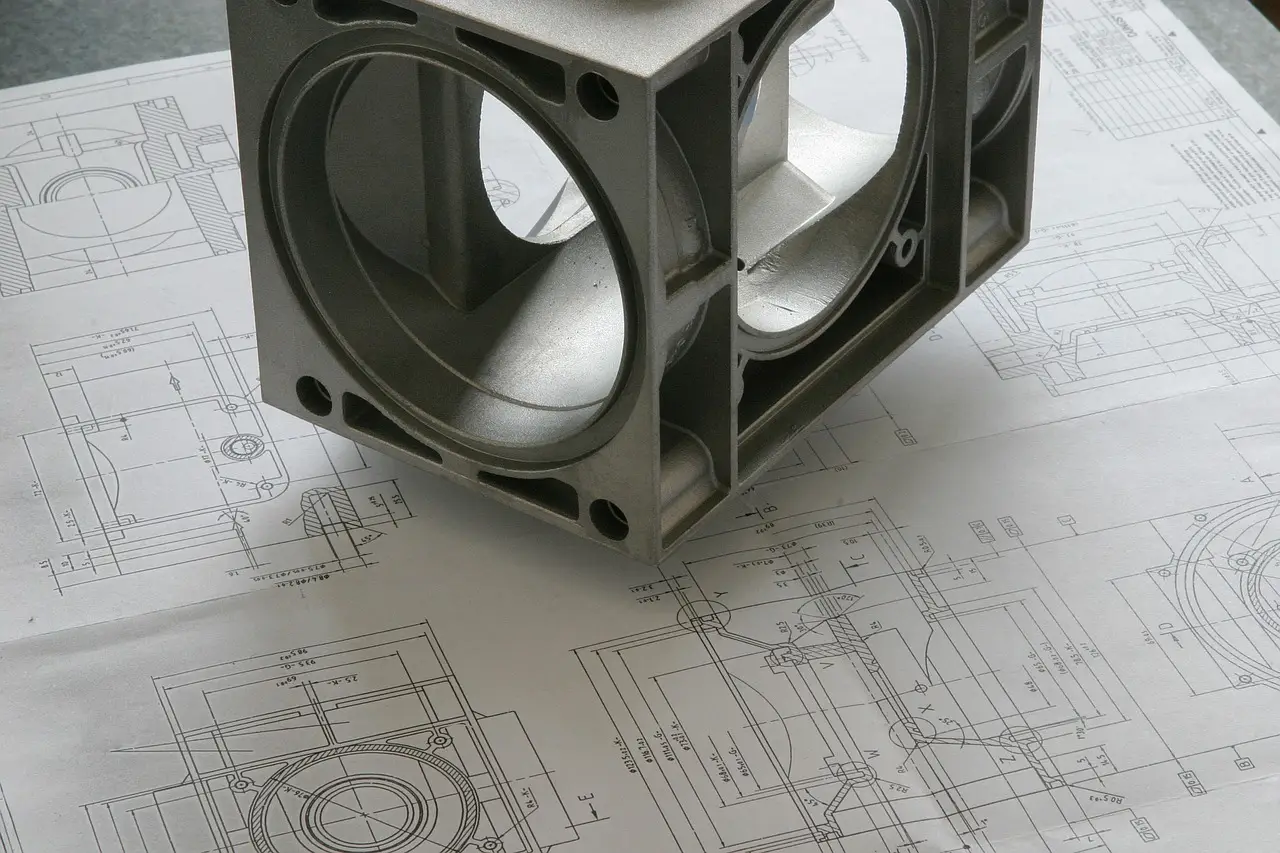
Thousands of accumulated part numbers — that is the inventory reality facing manufacturers like Amerequip, and the engineering problem that AI-powered search is now addressing on the factory floor.
Amerequip, a Wisconsin-based equipment manufacturer, has deployed CADDi (an AI-powered search platform for engineering data) to let design engineers locate existing components before they specify new ones. The case appears in Episode 6 of the "AI on the Factory Floor" video series from ASSEMBLY, reported from Birmingham, Mich.
Tim Dorn, vice president of engineering at Amerequip, said the problem ran deep in the company's design process. "In the past, it was very difficult for us to check and see what we had in our system," Dorn said.
How duplicate parts slip into the system
Over years of product development, manufacturers can accumulate thousands of part numbers. When engineers cannot easily search that history, they may specify a new component even though an equivalent part already exists in the system.
The consequences reach beyond engineering desks. Dorn described a common failure mode: even a standard fastener could be hard to locate, so an engineer would simply create another entry. "Lo and behold, we would just go and spec out the same fastener, and we'd have multiple part numbers of the same type of part in our system unbeknownst to us," Dorn said.
Each additional SKU (stock-keeping unit) adds work for purchasing and inventory personnel, and each adds opportunities for unnecessary complexity as products move toward production. For manufacturers managing large numbers of components across multiple product lines, duplicate part numbers compound quietly.
What does AI search change for engineers?
The practical question for plant and engineering teams is what this actually changes at the workstation. The answer: speed of lookup, before a new part number is created.
With CADDi, Amerequip engineers enter ordinary search terms and receive possible existing components within seconds. For a fastener request, an engineer can review the available options and select an existing component that meets the requirements rather than immediately creating another part number.
The engineering benefit is straightforward. Before designing or specifying something new, engineers can more quickly determine whether the company has already solved the problem. That helps control SKU proliferation, simplifies inventory, and frees engineers to focus on decisions that genuinely require a new design.
Why it matters for the supply base
The Amerequip case is a supplier-side implementation, not an OEM capacity announcement, and its claims are qualitative — no production or savings figures were disclosed. Still, the underlying problem is nearly universal in discrete manufacturing, where decades of product development leave behind component libraries that standard search tools cannot parse.
For practitioners, the takeaway is narrow and actionable: AI search applied to internal part data is one of the simplest entry points for AI in engineering, because it requires no change to the design itself — only to how existing data is retrieved.
What to watch next: whether Amerequip and similar adopters publish measurable results, such as reductions in duplicate part numbers or inventory savings, as the CADDi deployment matures.
via bnpmedia.com (Original)
More from Marcus Bennett
Show full bio
News editor covering regulation, policy and their impact on Automotive manufacturing and vehicle production at Autoplant Brief.
299 articles
Also circulated
- Automakers Push AI Deeper Into Assembly Plant Operations
- HARMAN Claims 30% Placement Gains From Factory AI Across Four Plants
- Assembly Magazine Reports Robots Taking On Difficult Automotive Assembly Task
- US Auto Plants Ramp Up Robot Spending, Assembly Magazine Reports
- Anthropic Ships 17-Skill AI Plugin Aimed at Plant Workflows