ECO-9082 · REV E · effective October 30, 2026
Automation & RoboticsAPPROVEDEngineering notice
BMW develops humanoid robot software at Landshut plant
BMW is developing humanoid-robot software at Landshut while pilots run at assembly plants in Leipzig and Spartanburg, with staged testing before any production rollout.
Scope of change
- Two BMW assembly plants—Leipzig and Spartanburg—have humanoid-robot pilots underway.
- Three recording systems—cameras, motion-capture suits and data gloves—capture worker demonstrations.
- Landshut combines two programming approaches: deterministic programming and modern AI models.
- The rollout has three stages: off-production testing, pilot projects and phased scale-up.
- No robot count, investment, launch date or capacity target is disclosed.
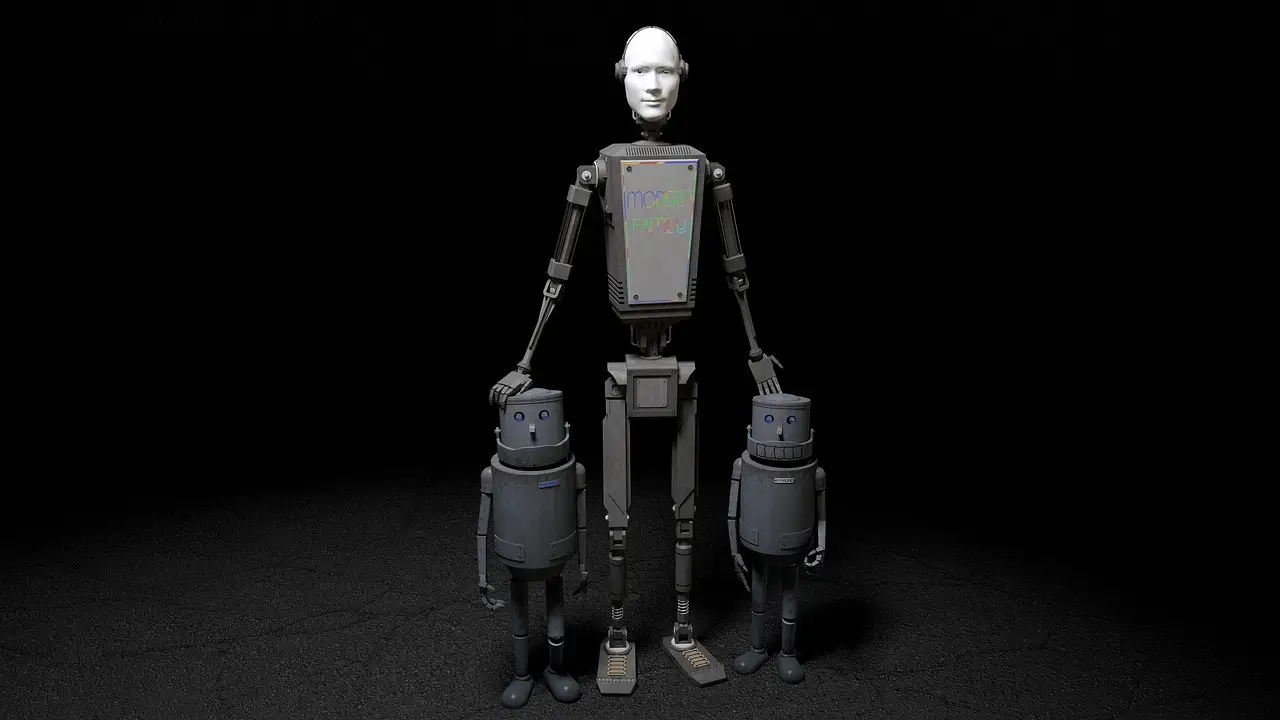
BMW Group is running humanoid-robot pilots at two assembly plants and developing supporting software at a third, its Landshut component plant in Germany.
The work remains inside BMW's own manufacturing operation. No tier-one supplier, robot vendor or external technology partner is named in the announcement. That limits the practical detail: open platforms are named, but no supplier, architecture or integration contract is identified.
Which BMW plants are involved?
BMW says humanoid-robot pilots are already underway at its assembly plants in Leipzig, Germany, and Spartanburg, South Carolina. Landshut's program has a different role. The plant is developing software to support component production rather than serving as one of the two named pilot sites.
At Landshut, engineers work on open software platforms; training-data generation, provision and processing; simulation and motion planning; and robot-system training. The internal focus is BMW's in-house component manufacturing, not a named supplier program. BMW did not identify a production task or line where the software operates.
“At Landshut, we are combining software expertise with industrial practice in our component production,” said Wolfgang Bluemlhuber, Ph.D., BMW's head of driving dynamics and in-house component manufacturing. “This allows us to test new technologies at an early stage and carefully evaluate their benefits for production.”
Neither passage describes a production deployment, and the announcement supplies no pilot robot count, task list, cycle time or operating result to establish scale at any stage.
What can Landshut's software do?
The Landshut team is building software intended to let robots perceive their surroundings, assess a situation and choose actions independently. The proposed use case is work requiring flexibility, fine motor skills and an understanding of the operating environment. BMW presents that capability as a goal, not a demonstrated production result.
Landshut relies on open platforms for flexible, scalable robot training. In practice, that means the software must connect deterministic programming with AI models while drawing on three additional inputs: visual information, language comprehension and robot actions. BMW calls the result a modular robotics ecosystem in which different systems can work together, although no system architecture or supplier is disclosed.
How will the robots learn?
Reliable data is the stated constraint. The team captures information from real production environments and test setups, then integrates it into simulations that model movement patterns and motion planning virtually. This lets BMW test processes in advance and accelerate learning, according to the company's account.
The rollout method is staged. New methods start outside active production, move into pilot projects and then scale in stages. BMW gives no duration for those stages. The sequence also provides no evidence that a robot has reached a production task, a planned volume or a measurable output gain.
A second training route uses demonstration-based learning. Project team members first demonstrate movement patterns and work sequences. Camera systems, motion-capture suits and data gloves record those demonstrations. The data becomes behavioral models, or policies, which BMW says can apply to different tasks and use cases.
“For us, it is crucial to develop the technology in very close alignment with real-world requirements,” said Christoph Jagoda, BMW's physical AI project manager at the Landshut factory. “We are not just testing what is technically possible, but also where humanoid robots can truly deliver reliable benefits in component production.”
That distinction makes the missing production metrics more consequential than another technical demonstration, because reliability determines whether a flexible task can run without constant human intervention.
What production evidence exists now?
The BMW account identifies two pilot locations and an internal development program. It gives no robot count, model, supplier, investment, staffing level, launch date, throughput, defect rate or capacity effect. These omissions prevent any credible estimate of operating impact or a business case at either assembly plant.
BMW also does not identify what robots will handle at Leipzig or Spartanburg. The task discussion remains general: flexibility, fine motor skills and environmental understanding. No component, line or cycle-time target is disclosed, so the pilots cannot yet be tied to a production milestone.
The relevant near-term evidence is task-specific: whether either pilot reports a repeatable process and a defined scale-up step. BMW's staged process implies a progression, but it sets no threshold for promotion.
What should BMW disclose next?
BMW should next provide a dated pilot update. It should identify the task, location, robot count, pilot duration, observed production result and planned scale-up step. Those details would show whether the open-platform approach produces a repeatable benefit rather than only a technical demonstration.
A launch date, a capacity milestone and a formal go/no-go decision remain undisclosed. The next evidence to watch is measured task reliability, repeatability and a stated plan to move from testing into production.
via bnpmedia.com (Original)
More from Amara Osei
Show full bio
Market editor covering technology and product news in Automotive manufacturing and vehicle production at Autoplant Brief.
286 articles