ECO-6790 · REV Q · effective October 11, 2026
Auto Industry PolicyAPPROVEDEngineering notice
Trump Defends Tariffs, Claims Auto Industry Revival
President Trump defends his sweeping tariffs, claiming they have revived the auto industry and American manufacturing — a claim awaiting confirmation from plant-level production data.
Scope of change
- President Trump defended his sweeping tariff program, claiming it revived the auto industry and American manufacturing, KJCT reported.
- The claim came without specific plant, investment, unit or headcount figures.
- The revival assertion requires verification against confirmed U.S. production and capacity-utilization data.
- Future OEM and supplier investment announcements citing tariff policy will serve as the key test of the claim.
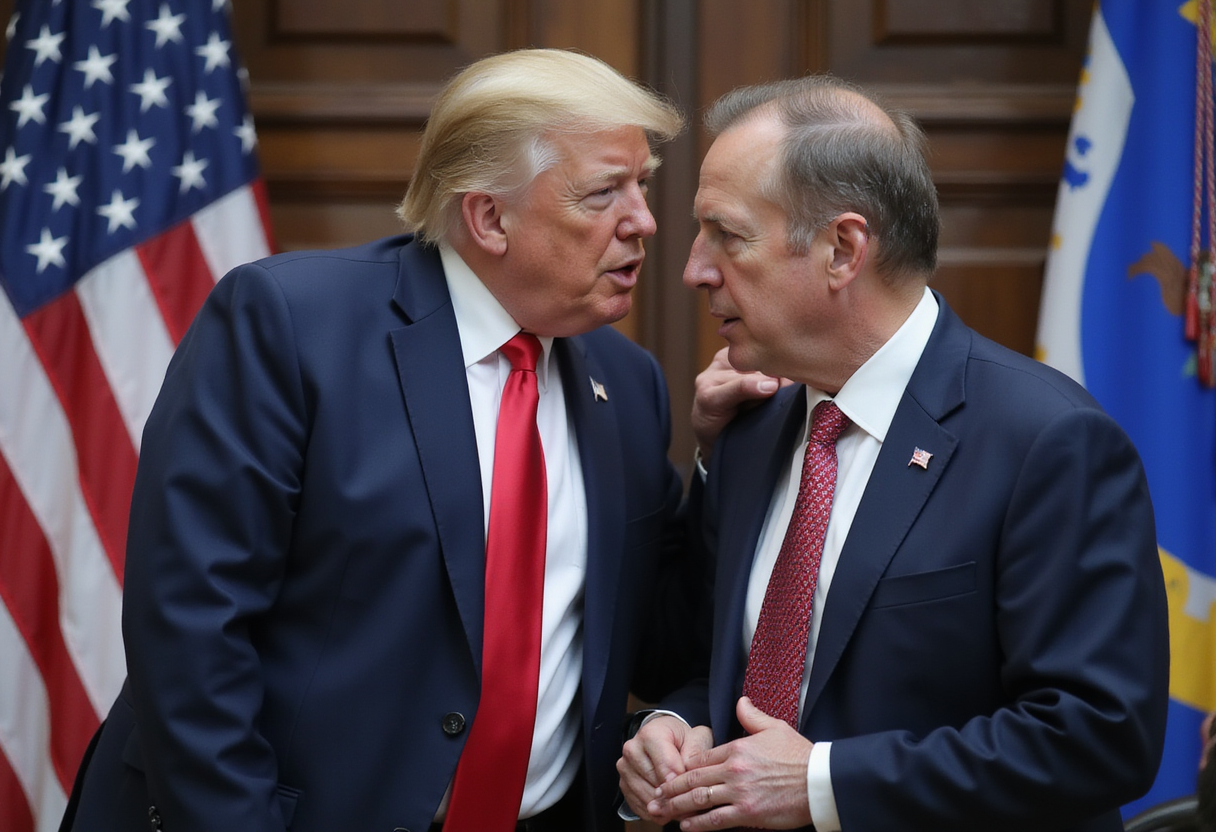
President Donald Trump is defending his sweeping tariff program on the argument that the duties have revived the U.S. auto industry and American manufacturing at large, according to a report from KJCT.
The claim lands at a moment when the industry is still absorbing the cost and sourcing consequences of the tariff regime. For manufacturing planners, the salient question is not the political framing but the production data: whether plant output, capacity utilization and supplier orders have actually shifted in the direction the White House asserts.
What is the president actually claiming?
Trump's defense, as reported by KJCT, rests on a broad assertion: that his tariff policies have brought about a revival of the auto industry and of American manufacturing generally. The statement is a defense of the sweeping tariff measures adopted during his administration, framed as delivered results rather than as intentions.
No specific plant, investment figure, unit count or headcount number accompanied the claim in the report. That absence matters in the trade press. A claim of industrial revival is, on its face, a supplier-tier announcement of the weakest kind — a political characterization — and it needs to be verified against confirmed production data: assembly volumes, powertrain output, stamping and battery-plant capacity utilization, and tier-one capital expenditure announcements tied to named facilities.
How should manufacturers read the claim?
The analytical distinction is between confirmed capacity plans and announced intentions. OEMs and suppliers have announced U.S. investment programs in the tariff era, and some of those carry firm dollar figures, plant locations and launch timing. Others remain statements of direction without committed capital. A presidential claim of industry revival aggregates both categories and cannot substitute for either.
For purchasing and program teams, the operational questions are concrete:
- Which announced U.S. capacity additions have reached tooling and launch timing, rather than press-release status?
- How have tariff costs moved through tier-two and tier-three pricing, and where are suppliers passing them through?
- Which programs have OEMs rebalanced toward North American content to qualify for tariff treatment?
Those are the metrics that will confirm or contradict the revival narrative.
What to watch next
Watch for the next round of quarterly production and capacity-utilization data from U.S. assembly and powertrain plants, which will test the revival claim against output. Watch also for any new OEM or tier-one investment announcements that cite tariff policy as the deciding variable — those carry plant names, dollar amounts and timing, and they are the evidence that matters.
The policy decision to monitor is whether the tariff structure itself holds. Any adjustment in rates, exemptions or rules-of-origin thresholds would change the sourcing math that suppliers and OEMs have built their current plans around. Until either the production data or the policy changes, the president's claim remains exactly that — a claim, asserted from the political side of the ledger, awaiting confirmation from the factory floor.
Autoplant Brief will track confirmed capacity announcements and plant-level output data as they emerge against this backdrop.
via Google News: Auto industry policy (Source)
More from Grace Kim
Show full bio
Staff writer covering industry trends and analytics at Autoplant Brief.
141 articles
Also circulated
- Trump Defends Tariff Policy, Claims Revival of Auto Manufacturing
- Fact check: Trump's tariff auto-factory claims run ahead of the data
- Trump Claims Tariffs Saved U.S. Auto Industry. Data Disagrees
- Trump Claims Tariffs Saved US Auto Industry. The Production Data Will Judge
- Trump's Auto Plant Tariff Numbers Don't Add Up, AP Finds