ECO-3139 · REV D · effective September 30, 2026
Auto Industry PolicyRELEASEDEngineering notice
Trump Claims Tariffs Saved U.S. Auto Industry. Data Disagrees
Trump says tariffs saved U.S. auto manufacturing. Production, employment and pricing data compiled by Time tell a more complicated and less flattering story.
Scope of change
- President Trump claims tariffs saved the U.S. auto industry; Time's data assessment contradicts the rescue narrative
- Tariffs on imported vehicles and parts raise input costs for U.S. plants dependent on cross-border supply chains
- Higher vehicle prices from duties risk suppressing demand and feeding back into production schedules
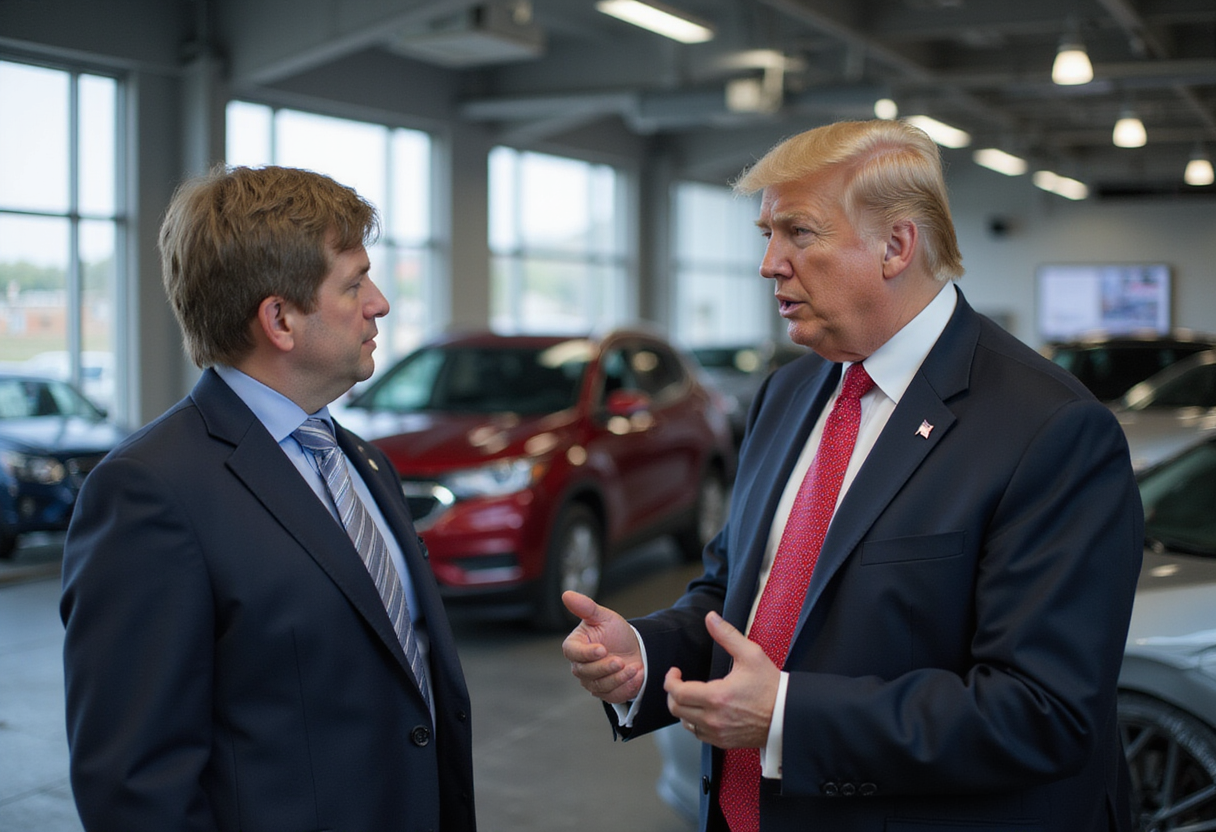
President Donald Trump has declared that his tariff policy saved the U.S. automotive industry. The claim, framed in blunt political language, sits at the center of a contentious debate over what the duties on imported vehicles and parts have actually delivered for American plants, suppliers and workers. The headline verdict from Time Magazine's assessment is blunt: the data tells a different story.
That gap between rhetoric and recorded outcomes matters for the manufacturing audience in a direct way. Tariff policy shapes sourcing decisions, program timing and plant utilization rates across the Midwest and the South. When the White House credits duties with rescuing domestic auto production, suppliers and OEM planners need to know whether the production, employment and investment numbers support the claim — or contradict it.
The core of the dispute is definitional as much as statistical. "Saved" implies the industry faced existential collapse before the tariffs and recovered after them. The U.S. auto sector entered the tariff period already producing vehicles at scale, employing hundreds of thousands of workers directly and supporting a far larger supplier base. Measuring a "rescue" against that baseline requires evidence of a turnaround — higher output, added shifts, new assembly lines — that can be tied specifically to the duties rather than to demand cycles, product launches or subsidies running in parallel.
This is where the claim runs into the record. Reporting that has examined the relevant indicators — vehicle production volumes, employment at assembly and parts plants, and pricing effects on consumers — has found the tariff story difficult to sustain. Duties on imported vehicles and components raise input costs for manufacturers that depend on cross-border supply chains, a category that includes most plants assembling in the United States today. North American production networks were built around parts crossing borders, sometimes multiple times, before final assembly. A tariff applied at the border taxes that structure at every crossing.
For supplier-tier companies, the arithmetic is unforgiving. A tier-one feeding an OEM assembly plant operates on thin margins and contracted prices. Tariff costs on imported components do not disappear into the OEM's margin; they get negotiated, absorbed or passed downstream. The result has been pressure on suppliers rather than a windfall, according to assessments of the policy's effects.
The consumer side compounds the problem for the rescue narrative. Tariffs raise vehicle prices. Higher prices suppress demand. Lower demand eventually feeds back into production schedules and shift plans at the very plants the policy is said to have saved. Any honest accounting of whether tariffs helped the industry has to net those effects against any production gains attributable to companies relocating output to avoid the duties.
The president's political framing and the analytical record are therefore working from different questions. The White House asks whether tariffs signaled a preference for domestic manufacturing. Analysts ask whether output, jobs and investment actually moved. On the second question, the evidence assembled in the Time assessment does not support the rescue claim, and in several respects points the other way.
What to watch next: subsequent monthly vehicle production and employment data from U.S. assembly plants will test whether any tariff-driven repatriation of output materializes at scale, or whether higher consumer prices and supplier cost pressure continue to offset it. Trade policy decisions on duty levels and exemptions remain the variable that will determine which trend line wins out.
via Google News: Auto industry policy (Source)
More from Amara Osei
Also circulated
- Trump Defends Tariff Policy, Claims Revival of Auto Manufacturing
- Trump Defends Tariffs, Claims Auto Industry Revival
- Trump Claims Tariffs Saved US Auto Industry. The Production Data Will Judge
- Trump's Temporary Global Tariff Nears Expiry. What Replaces It Matters for Auto
- Trump's 50% Auto Tariff Threat Aims at Imports, May Hit U.S. Automakers