ECO-2625 · REV J · effective September 27, 2026
Auto Industry PolicyRELEASEDEngineering notice
Trump Claims Tariffs Saved US Auto Industry. The Production Data Will Judge
President Trump says tariffs saved the American auto industry. The claim carries no plant names or production figures — the sector's own data will deliver the verdict.
Scope of change
- President Trump claimed his tariff policy saved the American auto industry, according to AP reporting
- The claim names no specific plant, OEM, supplier, capacity figure or jobs number
- Tariff effects are verifiable through assembly volumes, capacity announcements and supplier cost disclosures
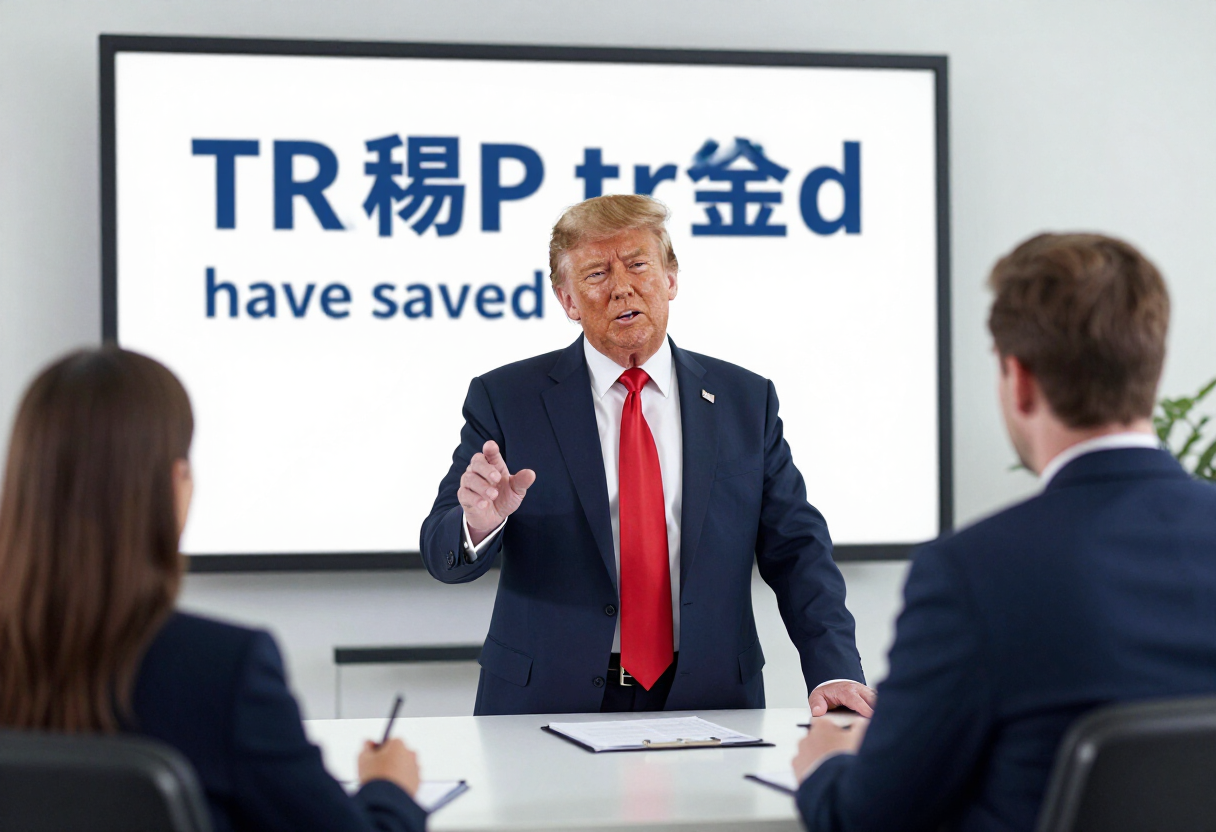
President Donald Trump says his tariff policy saved the American auto industry.
That is the claim. It comes from the president himself, in remarks reported by the Associated Press, and it arrived not from a factory floor or an OEM earnings call but from a political argument about trade policy. For manufacturing planners, supplier executives and plant managers, the gap between that assertion and verifiable production data is the story worth tracking.
What was actually said
The president talked up his tariffs and framed them as the mechanism that rescued US automotive manufacturing. The claim is broad. It does not, in the form reported, come attached to a specific plant, a named OEM program, a supplier tier, a capacity figure or a jobs number. It is a declaration of outcome rather than a manufacturing announcement, and the two are not the same thing in trade-press terms.
An OEM confirming a capacity expansion names the plant, the timeline and the investment size. A supplier announcing new business names the program and the customer. A political claim about an entire industry's rescue offers none of those anchors. That does not make it false. It makes it unverified, and the burden of proof sits with whoever states it.
How to test the claim
The auto industry's health has measurable indicators, and each one is checkable. Vehicle assembly volumes by plant. Powertrain and battery program launches, with their confirmed capacity numbers. Supplier contract awards and the tier-one announcements that follow new platform sourcing decisions. Capital expenditure commitments with groundbreakings attached, rather than intentions stated at podiums.
Tariff policy can shift sourcing decisions. That mechanism is real, and OEMs do respond to duty structures when they allocate production between US plants and facilities in Canada, Mexico or elsewhere. But a shift in sourcing is not the same as a saved industry, and an announcement of intent is not the same as a confirmed capacity plan. The distinction matters when the claim covers the whole sector.
There is also the other side of the tariff ledger, which any plant manager can describe. Duties on imported components raise input costs for domestic assembly. US plants build cars from parts that cross borders, sometimes several times, before final assembly. A tariff regime that raises the cost of those parts works against the same domestic production it is meant to protect. Whether the net effect is positive or negative is an empirical question, answered by production data and supplier cost structures, not by rhetoric from either direction.
Claims versus confirmations
This site's standard for supplier and vendor announcements applies to political ones too: treat them as claims to verify against production data. The president's assertion will be tested by numbers that arrive on their own schedule. Quarterly assembly volumes. Annual supplier contract announcements. Plant-level investment confirmations with dollar figures and headcount.
If tariffs drove a genuine manufacturing recovery, the evidence will show up in specific places: new assembly lines allocated to US plants instead of Canadian or Mexican ones, battery plant capacity commitments backed by construction, tier-one suppliers expanding US footprint to follow OEM sourcing. Those announcements carry names, locations and dates. They can be checked.
If the claim does not hold, the evidence will show up the same way: volumes unchanged or down, sourcing decisions unaffected, supplier margins squeezed by input costs. Either outcome is visible in the data.
What to watch next
Watch the monthly and quarterly US light-vehicle production figures against the same periods a year earlier. Watch for OEM capacity announcements that name US plants and specific programs, and distinguish them from statements of intent. Watch supplier earnings calls for tariff-cost disclosures, because tier-one input costs are where the policy's real effect will surface first. And watch whether any automaker or supplier explicitly attributes a US production decision to tariff policy, on the record, with a plant attached.
The president has made his claim. The industry's own numbers will deliver the verdict.
via Google News: Auto industry policy (Source)
More from Grace Kim
Show full bio
Staff writer covering industry trends and analytics at Autoplant Brief.
82 articles