ECO-9174 · REV K · effective September 27, 2026
Auto Industry PolicyAPPROVEDEngineering notice
Canada's Demand for Truck Tariff Relief Derailed Trade Talks
Canada's insistence on tariff relief for trucks derailed trade negotiations, Fortune reports, leaving truck-plant economics and supplier sourcing plans in limbo.
Scope of change
- Canada demanded relief from tariffs on trucks as part of trade negotiations
- That demand imperiled and derailed the broader trade talks, Fortune reports
- Trucks are the unresolved sticking point; the fate of the negotiations remains open
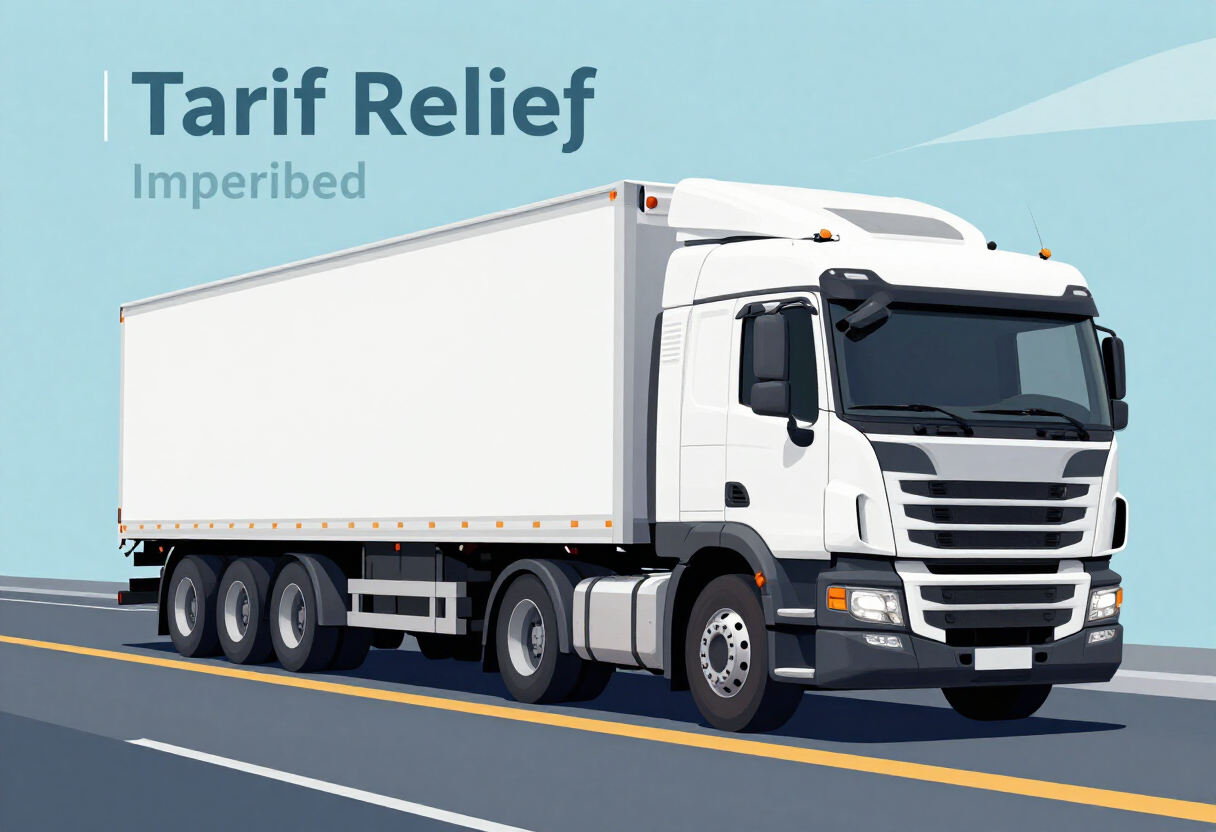
Canada's demand for relief from tariffs on trucks collapsed trade negotiations, Fortune reports, marking trucks as the issue that pulled the talks off course.
The dispute centers on tariffs affecting the truck segment — a product category that anchors production at several major assembly plants on both sides of the border. For OEMs and suppliers in the truck belt, tariff relief is not a marginal ask. Pickup and heavy truck programs represent some of the highest-volume, highest-margin output in North American manufacturing, and any tariff regime that raises costs on those flows hits plant economics directly.
According to the report, Canadian negotiators made truck tariff relief a condition of progress in the broader talks. That demand, Fortune reports, is what imperiled the negotiations rather than the general tariff framework under discussion.
Why trucks are the sticking point
Trucks occupy a distinct position in North American trade. Production is concentrated in a handful of plants, and cross-border parts flows for truck programs run deep through the supplier base — Tier 1 and Tier 2 vendors ship components into assembly operations that depend on just-in-time logistics. A tariff structure that treats trucks differently from passenger vehicles therefore carries outsized consequences for plant scheduling, sourcing decisions and program timing.
For Canadian policymakers, relief on trucks is a jobs question. Truck assembly and the parts operations that feed it employ thousands across Ontario's automotive corridor. For the U.S. side, truck tariffs protect the single most domestically anchored segment of the market — which explains why the demand proved difficult to trade away.
What this means for manufacturers
The breakdown leaves plant planners and purchasing teams without the certainty they need. OEMs sizing capacity for next-cycle truck programs cannot lock sourcing plans while tariff treatment remains unresolved. Suppliers quoting new business for truck platforms face the same fog: landed cost calculations shift materially depending on whether relief is granted or the tariffs stand.
Trade lawyers and purchasing executives will be reading the fine print of any subsequent negotiating rounds for one thing above all — whether trucks get carved out, phased down, or left fully tariffed. Each of those outcomes implies a different cost base for the plants involved.
What to watch next
The immediate question is whether negotiators return to the table with a revised framework that brackets the truck issue — for example, a quota arrangement or staged relief tied to investment commitments — or whether trucks remain a veto point that blocks progress on everything else.
Watch for three signals: any announcement of renewed talks with a defined schedule; any unilateral move by either side on truck tariff rates or exemptions; and any OEM or supplier statement revising production or sourcing plans in response to the unresolved tariff picture. Plant-level decisions — shifts added or cut, program timing slips, supplier re-sourcing — will be the hard evidence of whether the impasse is holding or breaking.
via Google News: Auto industry policy (Source)
More from Marcus Bennett
Show full bio
News editor covering marketplaces and e-commerce at Autoplant Brief.
86 articles
Also circulated
- Trump Doubles Canada Auto Tariffs as Industry Warns of Competitive Hit
- Even a 15% U.S. Tariff Could Hit Canadian-Built Vehicles Hard
- Canadian Auto Sector Braces as Trump Floats New Tariff Threats
- Auto Tariffs Emerge as Decisive Issue for Canada's Industry
- Trade Fight Puts Canada's Auto Production Base on the Line