ECO-1354 · REV Y · effective September 30, 2026
Auto Industry PolicyAPPROVEDEngineering notice
Trump Defends Tariff Policy, Claims Revival of Auto Manufacturing
President Trump defends sweeping tariffs as the driver of an auto industry revival, but plant-level production data will test the claim against announced intentions.
Scope of change
- President Trump publicly defended his sweeping tariff policies.
- Trump argues the tariffs have revived the auto industry and American manufacturing.
- The claim remains to be verified against actual production and investment data.
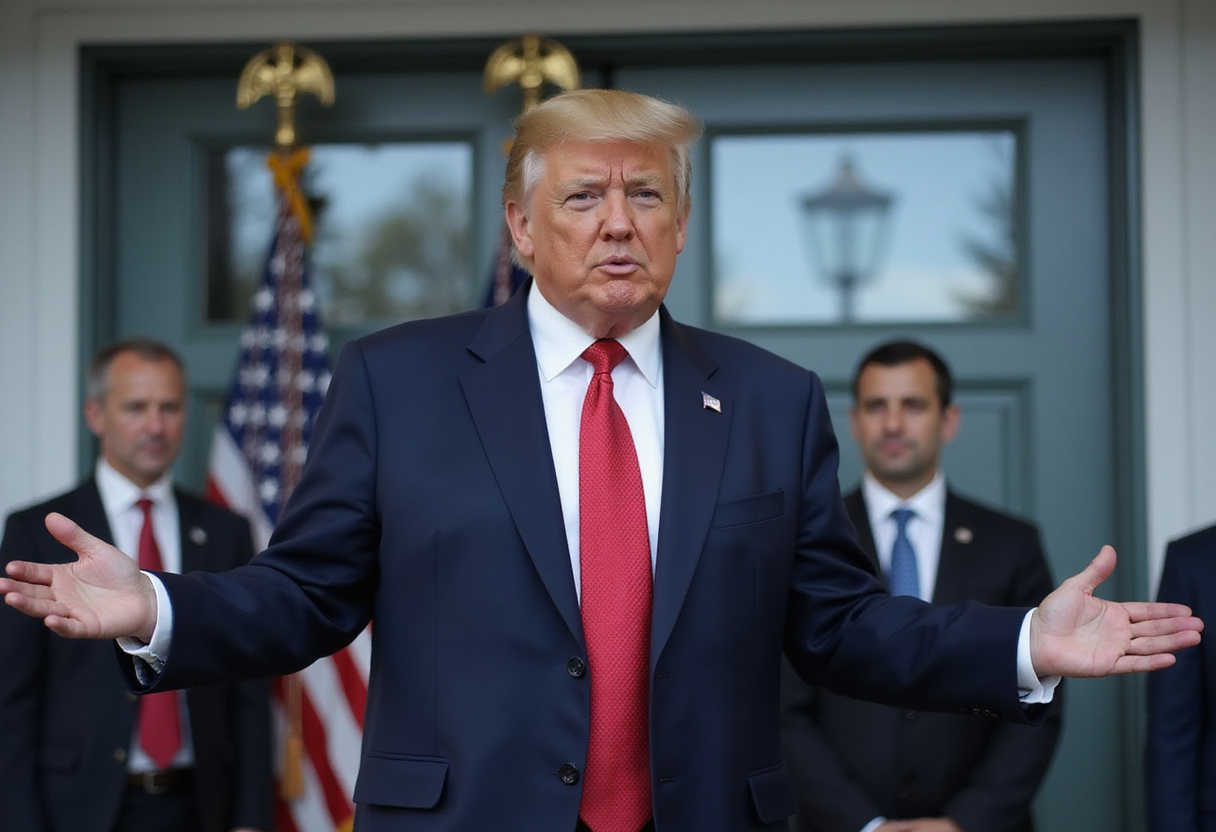
President Donald Trump is defending his sweeping tariff program, arguing the duties have revived the U.S. auto industry and American manufacturing more broadly.
The president's defense puts him squarely against a broad coalition of critics. Automakers, suppliers and dealers have warned since the tariffs took effect that the duties raise input costs across the supply chain, from imported components to assembled vehicles.
For plant-level observers, the dispute turns on one question: does the investment and production data back the claim of a revival? Tariff-driven announcements from OEMs and suppliers — new assembly lines, reshored component programs, expanded stamping and battery capacity — should be treated as stated intentions until steel is cut and volume actually rolls off the line.
Several manufacturers have announced U.S. capacity additions since the tariff regime began. But announced investment is not the same as confirmed production. Timing, sourcing decisions and whether programs were already planned before the tariffs all complicate the president's argument.
On the other side of the ledger, suppliers report higher costs for imported parts, and analysts have flagged potential price effects for consumers. The net effect on domestic output, employment and plant utilization remains contested.
The president shows no sign of retreating. His framing — tariffs as the engine of a manufacturing comeback — will face continued testing against hard production numbers in the months ahead.
What to watch next: monthly U.S. vehicle production and employment data from the sector, any new OEM or tier-one supplier capacity announcements tied explicitly to tariff policy, and whether the administration adjusts or holds tariff rates under pressure from industry groups.
via Google News: Auto industry policy (Source)
More from Daniel Okafor
Show full bio
Senior reporter covering marketplaces and e-commerce at Autoplant Brief.
111 articles