ECO-5513 · REV J · effective September 28, 2026
Auto Industry PolicyRELEASEDEngineering notice
Trump Defends Tariffs, Claims Auto Industry Revival
President Trump defends sweeping auto tariffs as the driver of a U.S. manufacturing revival, a claim that production data will confirm or refute in coming quarters.
Scope of change
- Trump argues sweeping tariffs have revived the U.S. auto industry and American manufacturing
- Automakers have flagged higher costs from duties on imported vehicles and parts since the tariffs took effect
- Plant investment decisions run on multi-year cycles, so current capacity reflects pre-tariff decisions
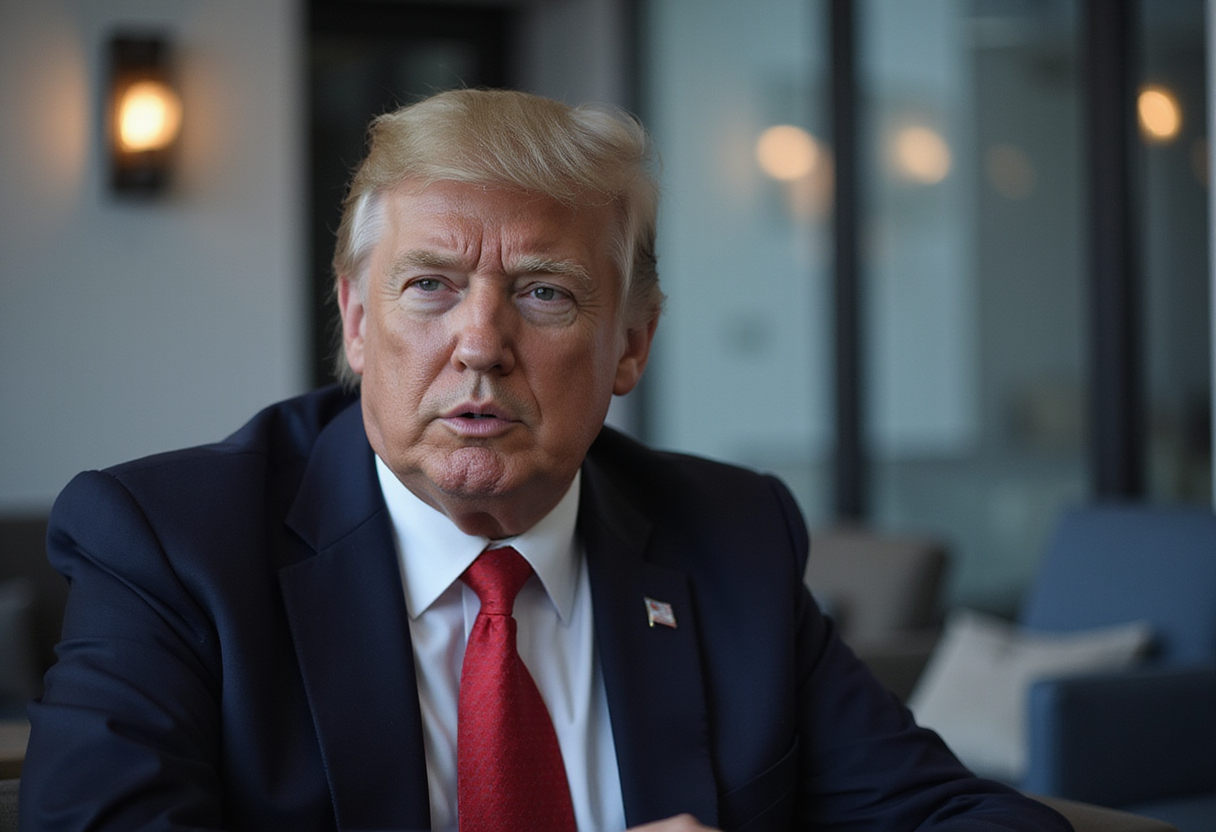
President Donald Trump defended his sweeping tariff program this week, arguing the import duties have revived the U.S. auto industry and American manufacturing more broadly.
The president's argument rests on a simple claim: tariffs on imported vehicles and parts have forced automakers and suppliers to shift production back to U.S. plants. Whether the production data support that claim is now the central question for plant planners, suppliers and state economic development officials across the country.
Trump has positioned the tariffs as the driver of a manufacturing comeback. The administration's trade policy includes duties on imported vehicles and automotive components, measures that directly affect sourcing decisions at every supplier tier. For Tier 1 suppliers shipping across borders, and for Tier 2 and Tier 3 vendors feeding cross-border component flows, the tariffs change the cost calculus of where parts get stamped, molded and assembled.
The claim of an industry "revival" deserves scrutiny against the timeline automakers have actually committed to. OEM plant decisions run on multi-year program cycles. A new assembly line or a retooled stamping plant typically takes two to four years from announcement to Job One. Any capacity added today reflects investment decisions made before the current tariff regime, not because of it. Announced intentions — groundbreaking ceremonies, memoranda of understanding, state incentive deals — are not confirmed capacity. They are commitments to verify against actual production schedules and hiring data.
What the tariff policy has demonstrably done is raise input costs for manufacturers that rely on imported parts. Multiple automakers have flagged higher costs in earnings statements since the duties took effect. Suppliers with thin margins in commodity segments face the sharpest pressure, and some have renegotiated contracts or asked for relief. The White House frames these costs as short-term friction on the path to reshored production. Industry analysts counter that the friction hits plants operating in the United States right now, including transplant factories that assemble vehicles domestically but source components globally.
The political stakes are high because the auto sector concentrates employment in battleground states. Michigan, Ohio, Indiana, Kentucky, Tennessee, South Carolina and Alabama all host major assembly and powertrain operations. Each new plant announcement — or each delayed program — carries electoral weight. Trump's defense of the tariffs doubles as a campaign argument that manufacturing jobs are returning on his watch.
For plant-level readers, the practical questions are concrete. Which OEMs have actually committed capital to U.S. capacity expansions since the tariffs took effect, and how much of that capital is new rather than reallocated from other programs? Which suppliers have moved tooling? How many jobs have postings and payrolls confirmed, versus the figures cited in announcement-stage press releases?
The verification standard matters. Trade-press reporting on manufacturing investment routinely distinguishes between what an OEM has approved in its capital plan and what a CEO said at an event. The president's revival claim should be held to the same test. Vehicle production volumes, powertrain output, supplier plant utilization rates and hourly headcount at named facilities are the numbers that will confirm or refute the argument over the next several quarters.
There is also the demand side. Tariffs raise vehicle prices when manufacturers pass costs through, and higher prices can suppress the very sales volumes that justify domestic capacity. Automakers must balance the cost of tariffed imports against the risk of pricing themselves out of segments. Plants running lean margins on high-volume models are most exposed to that squeeze.
Trump shows no sign of retreating from the policy. He has repeated the revival argument in public appearances and continues to describe the tariffs as leverage that rewards companies building in America and penalizes those that do not. Critics, including some industry groups and trading partners, have pushed back on both the economic logic and the legal basis of the duties, and litigation and negotiation over the tariff structure remain live.
What to watch next: quarterly production and employment data from the major assembly states, which will show whether announced investments are converting into output; any OEM capital plan updates that specify U.S. capacity additions with dollar figures and timing; and the outcome of legal and trade-negotiation challenges to the tariff regime itself, any of which could reset the sourcing math for every supplier tier.
via Google News: Auto industry policy (Source)
More from Marcus Bennett
Show full bio
News editor covering marketplaces and e-commerce at Autoplant Brief.
86 articles
Also circulated
- Trump Defends Tariff Policy, Claims Revival of Auto Manufacturing
- Trump Claims Tariffs Saved U.S. Auto Industry. Data Disagrees
- Tariffs, AI and Automation Are Redrawing Global Manufacturing Strategy
- Trump's 50% Auto Tariff Threat Aims at Imports, May Hit U.S. Automakers
- Trump Claims Tariffs Rescued US Auto Industry, Blasts Canada