ECO-7820 · REV E · effective September 28, 2026
Auto Industry PolicyAPPROVEDEngineering notice
USITC Injury Ruling Clears Duties on Chinese Van-Type Trailers
USITC commissioners voted 4-0 on 25 September that Chinese van-type trailer imports injure US industry, letting Commerce impose antidumping and countervailing duty orders on trailers and subassemblies.
Scope of change
- USITC voted 4-0 on 25 September 2026 that Chinese van-type trailer imports cause material injury to a US industry.
- The ruling lets Commerce impose antidumping and countervailing duty orders covering both finished trailers and subassemblies.
- The full USITC report is due online by 5 November 2026; duty rates and import volumes were not disclosed in the notice.
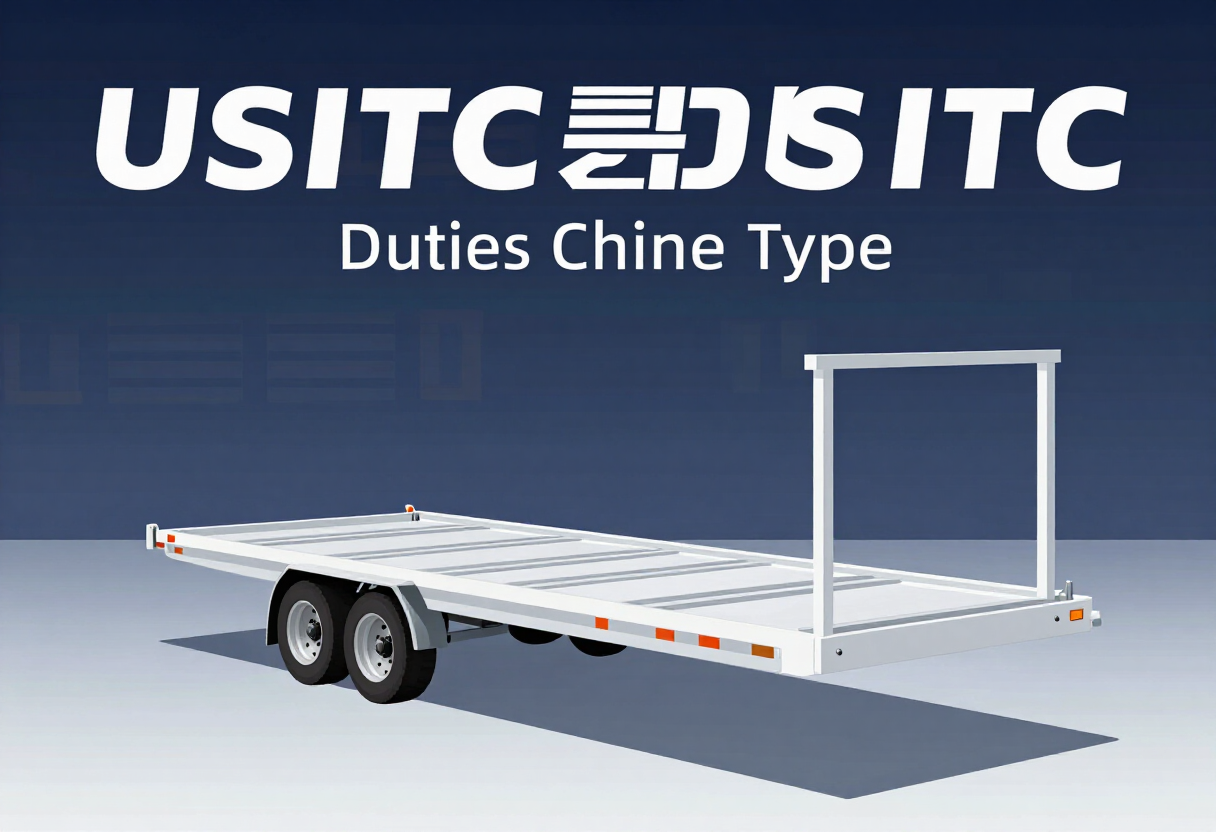
A 4-0 vote at the US International Trade Commission on 25 September 2026 has opened the door to duties on Chinese van-type trailers and their subassemblies. The commissioners found that imports from China are causing material injury to a US industry, the final determination Commerce needed before its antidumping and countervailing findings could become enforceable orders.
The case reaches below finished equipment. The scope covers subassemblies as well as complete van-type trailers, which extends the measures to the parts tier — the frames, panels and structural components that US builders and their supply base use to assemble the finished units. For a domestic trailer industry that buys and fabricates at the component level, that breadth matters as much as the headline ruling.
Commerce had already determined that the Chinese trailers were sold in the US below fair value and that Chinese state subsidies supported their production. Those findings sat in limbo until the USITC ruled on injury. The commission's decision now converts them into duty orders the Department of Commerce can impose at the border.
Chairman Brett W. Doyle voted in favor. Commissioners Jason E. Kearns, Peter-Anthony Pappas and David Foley Jr. joined him. Bart Thanhauser and Samuel T. Negatu did not participate, so the determination drew no dissent from the commissioners who voted.
The commercial stakes run through road freight. Van-type trailers are a staple of US trucking fleets, moving dry goods across the country's distribution networks, and fleet buyers source them in volume. Duties on finished units and subassemblies will reshape procurement math for both fleet operators and the OEMs that build for them, raising landed costs on Chinese product and shifting the incentive toward domestic supply.
The commission's notice left key data points out. It gave no duty rates, no import volumes and no names of the firms that petitioned for the case. That leaves the size of the trade exposed to the orders — and the margin levels Commerce will set — unclear until further documentation lands.
The full USITC report will fill some of those gaps. The six-member body will publish its views and the evidence it gathered online by 5 November 2026, roughly six weeks after the vote. Trade lawyers and procurement teams will parse that report for the injury analysis, the data on import penetration and any dissenting or supplementary statements from individual commissioners.
What to watch next: the Commerce Department's actual imposition of the duty orders and the rates that come with them; the USITC's full report on 5 November 2026; and the reaction of fleet buyers and domestic trailer builders as pricing on Chinese van-type units and subassemblies adjusts to the new regime. Any Chinese producer response — appeals, scope rulings or attempts to route around the measures at the subassembly level — will shape how much of the market shifts to US builders.
via usitc.gov (Original)
More from Grace Kim
Show full bio
Staff writer covering industry trends and analytics at Autoplant Brief.
82 articles
Also circulated
- USITC Injury Vote Clears Duties Above 260% on Chinese Van Trailers
- Auto Industry Pressures Trump to Block Chinese Automakers
- ITIF: US Auto Industry Needs National Strategy for China Challenge
- Auto Industry Presses Trump to Block Chinese Automakers Before Xi Talks
- Canada Courts Chinese EV Makers as Tariffs Fracture Auto Trade