ECO-1994 · REV Q · effective September 29, 2026
Vehicle Plants & ProductionAPPROVEDEngineering notice
JSW Greentech Bets 15,000-Unit Plant on AMPSTAR EV Truck Brand
JSW Greentech launches AMPSTAR, backed by a planned 90-acre plant in Maharashtra with 15,000-unit annual capacity for electric buses and trucks.
Scope of change
- AMPSTAR vehicles will be built at a 90-acre facility at AURIC, Chhatrapati Sambhajinagar, Maharashtra, with a stated annual capacity of 15,000 electric buses and trucks.
- The plant will feature pre-treatment and electro-deposition (PT-ED) for bus manufacturing, an automated truck-cabin line and an integrated battery ecosystem, with R&D based in Pune.
- The bus portfolio spans 7–18 meter vehicles; trucks start with a 55-tonne tractor-trailer, with tippers and fixed-body dumpers planned in the months ahead. Power configurations run 150–500 kW with purchase, leasing and Battery-as-a-Service options.
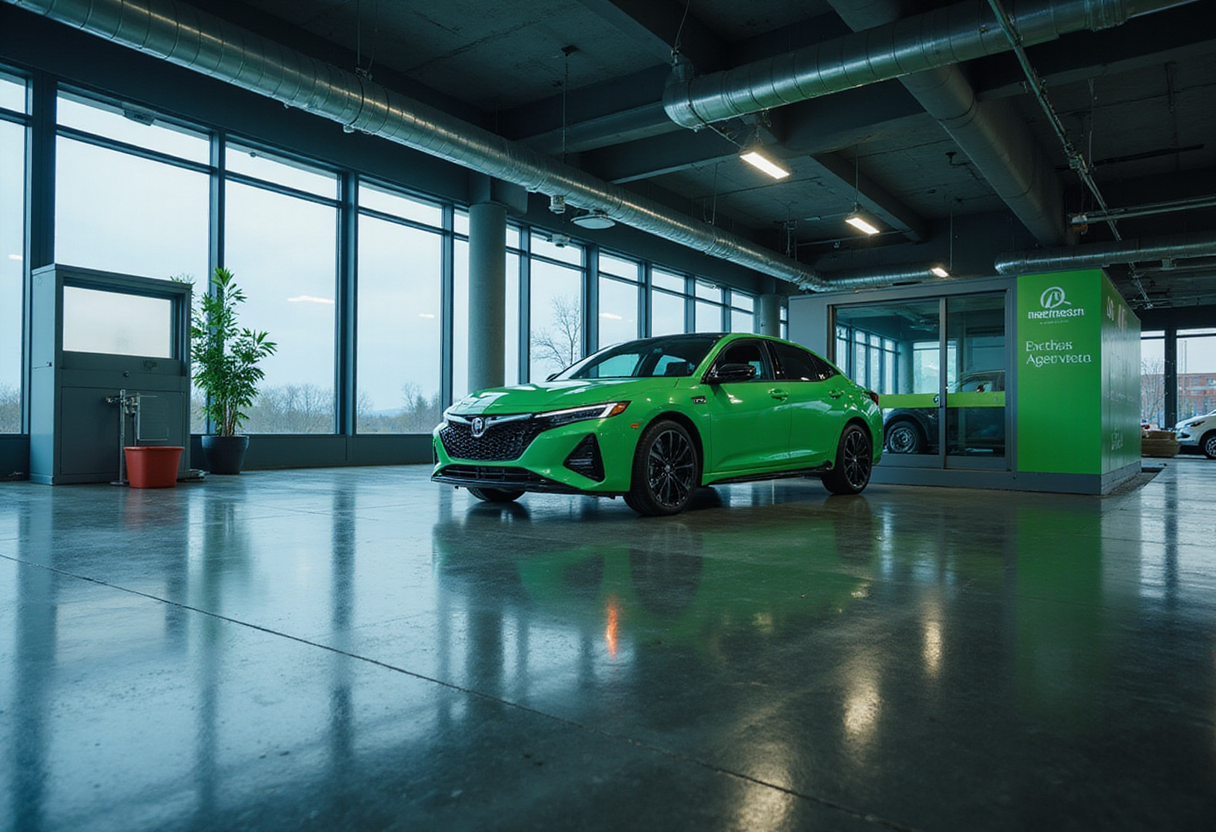
JSW Greentech Limited has put a 15,000-unit annual capacity figure behind its entry into India's commercial vehicle electrification, launching the AMPSTAR brand for electric buses and trucks.
The vehicles will be built at an integrated EV manufacturing facility under development across 90 acres at AURIC, Chhatrapati Sambhajinagar, Maharashtra, with an R&D centre in Pune supporting the program. The 15,000-unit annual capacity covers electric buses and trucks combined. That capacity figure is an announced plan, not yet a running plant — the facility is still being developed.
The plant spec is the most concrete part of the announcement. JSW Greentech says the site will house a pre-treatment and electro-deposition (PT-ED) process for bus manufacturing — a technology widely used in advanced automotive markets — along with an automated truck-cabin line and an integrated battery ecosystem. For a new entrant in Indian bus manufacturing, committing to PT-ED paint-shop technology rather than simpler coating routes signals an intent to match incumbent build standards on corrosion protection and body durability.
Full-stack commercial offer
AMPSTAR is positioned as a full-stack commercial mobility solution rather than a pure vehicle play. It spans electric buses and trucks plus charging infrastructure, operating solutions, financing options and after-sales support. Power configurations will run from 150 kW to 500 kW, and customers can choose outright purchase, leasing, Battery as a Service (BaaS) or other ownership and operating models.
On the product side, the bus portfolio will span 7-meter to 18-meter vehicles, serving staff transportation, city, intercity and school mobility applications. The truck range starts with a 55-tonne tractor-trailer — one of the most demanding vehicle architectures — with plans to expand into tippers and fixed-body dumpers in the months ahead.
Engineering claims target Indian operating conditions specifically: a double cooling battery system and a high-strength monocoque chassis.
What the executives said
Parth Jindal of JSW Group framed the branding logic at the launch: "AMPSTAR brings together two powerful ideas: 'Amp,' comes from Ampere – the unit of electric current, representing technology that amplifies performance. 'Star' represents aspiration, leadership and progress. The brand identity reflects that same ambition – modern, forward-moving, built to stand out."
Sumit Mittal, CEO of JSW Greentech Limited, made the localization and vertical-integration case: "We are designing, engineering and building these vehicles in India, from the ground up – our own drivetrain, our own software, using the best of technologies available, and built for Indian roads and operating conditions. Our range is built to cover the full spectrum. India deserves world-class buses and trucks on its own roads, and AMPSTAR is how we deliver that."
The proprietary drivetrain and software claim is significant if it holds. It would place JSW Greentech outside the common pattern of Indian CV entrants licensing Chinese or European platforms — but proprietary stack claims from new manufacturers warrant verification against homologation and production data as vehicles reach customers.
The competitive context
JSW enters a segment where electrified buses already have established players serving state transport undertakings and city fleets, and where electric trucking remains early-stage, concentrated in shorter-haul and captive-fleet applications. Starting at 55-tonne tractor-trailer gross weight — heavy long-haul territory — rather than the lighter duty cycles most EV truck pilots favor is an aggressive technical choice that depends heavily on the BaaS and financing structures on offer to make total cost of ownership work for fleet operators.
What to watch
The near-term markers for this program: timing of the first vehicles off the Chhatrapati Sambhajinagar line and confirmation the 90-acre site reaches its stated 15,000-unit annual rate; expansion of the truck range beyond the 55-tonne tractor-trailer into tippers and fixed-body dumpers, which Mittal said is planned for the months ahead; and the first disclosed fleet orders, which will test whether the full-stack offer — charging, financing, BaaS — converts interest into contracted volume.
via EVreporter (Source)
More from Sophie Lindqvist
Show full bio
Correspondent covering business strategy at Autoplant Brief.
97 articles