ECO-9775 · REV V · effective September 29, 2026
Vehicle Plants & ProductionRELEASEDEngineering notice
Ford Trims Summer Shutdown Weeks to Lift Output
Ford is cutting its traditional two-week July plant shutdown to gain production days, a bet that demand justifies trading maintenance downtime for added output.
Scope of change
- Ford is shortening traditional summer factory shutdowns to boost vehicle production.
- Shortened shutdowns reclaim production days without adding shifts or capacity.
- Compressed maintenance windows affect plant upkeep and supplier build schedules.
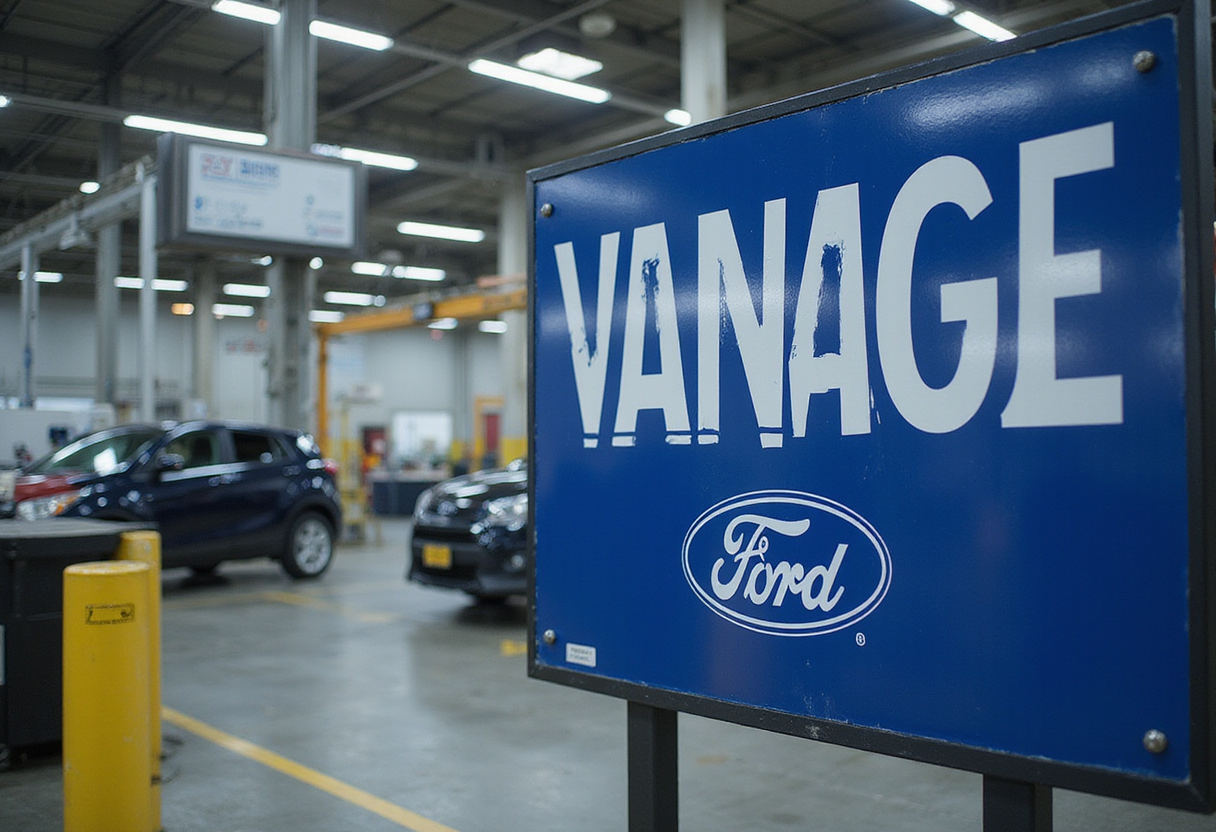
Ford is shortening the traditional summer shutdown at its North American assembly plants, trading downtime for additional vehicle production as it works to rebuild inventory and meet demand.
The summer shutdown is a long-standing fixture of Detroit manufacturing. Plants traditionally idle for two weeks in July — a pause inherited from retooling changeovers dating back decades. Cutting that window gives Ford direct, incremental line time without adding shifts or new capacity.
The company confirmed the shortened shutdowns in a statement reported by Automotive Fleet. Ford framed the move as a production play: fewer dark days mean more units rolling off the line during a period when sales momentum and inventory targets are pressing on the assembly network.
For plant managers, the arithmetic is straightforward. A typical North American assembly plant runs at line rates that can exceed 1,000 units per day at full speed. Even a week of reclaimed production time across multiple plants translates into thousands of additional vehicles — output that would otherwise require overtime Saturdays or added crews to recover later in the year.
Shortened shutdowns are not without cost. Maintenance teams use the July pause for work that cannot be done while the line moves — major equipment overhauls, die changes, facility upgrades. Compressing that window forces maintenance planners to triage: defer non-critical work, stretch crews across fewer days, or push projects into weekends. Suppliers feel it too. Tier One and Tier Two plants that schedule their own downtime around OEM shutdown patterns must adjust build schedules and staffing to match Ford's shorter pause.
The move signals where Ford sees demand. Automakers do not give up free maintenance windows to build vehicles they expect to discount. Shortening shutdowns is a bet that the trucks and SUVs built during those extra days will sell without heavy incentives.
What to watch next: whether Ford's actual July output matches the plan implied by the shorter shutdown — the daily build rates at affected plants during the reclaimed weeks will be the first test. Beyond that, watch whether maintenance deferrals surface as unplanned downtime later in the year, and whether rival automakers at comparable capacity utilization follow with shortened shutdowns of their own.
Key takeaway: Ford is converting a fixed calendar cost — the two-week July pause — into incremental production, betting demand holds. The plants, the suppliers, and the maintenance schedule all carry the adjustment.
via Google News: Auto plant and vehicle production (Source)
More from Amara Osei
Also circulated
- GM Idles 1,300 Workers at Factory ZERO in Four-Week EV Output Cut
- Automotive News Launches Tracker of Supplier Layoffs and Closures
- Honda Suspends Construction of Planned EV Plant Indefinitely
- GM to Cut New Chevrolet Bolt Output to About 35,000 Units
- Three-Day Weeks at Auto Plants Meet a Benefits System That Can't See Top-Ups