ECO-7665 · REV J · effective September 29, 2026
Vehicle Plants & ProductionRELEASEDEngineering notice
Lincoln To Shift Vehicle Production From China To U.S.
GM Authority reports Lincoln will move vehicle production from China to the U.S. No plant, model, volume or timeline has been confirmed by Ford.
Scope of change
- GM Authority reports Lincoln will move vehicle production from China to the U.S.
- Ford has not confirmed the report; no plant, model, volume or timeline disclosed
- The Nautilus, built in China for export to North America, is the model most plausibly affected
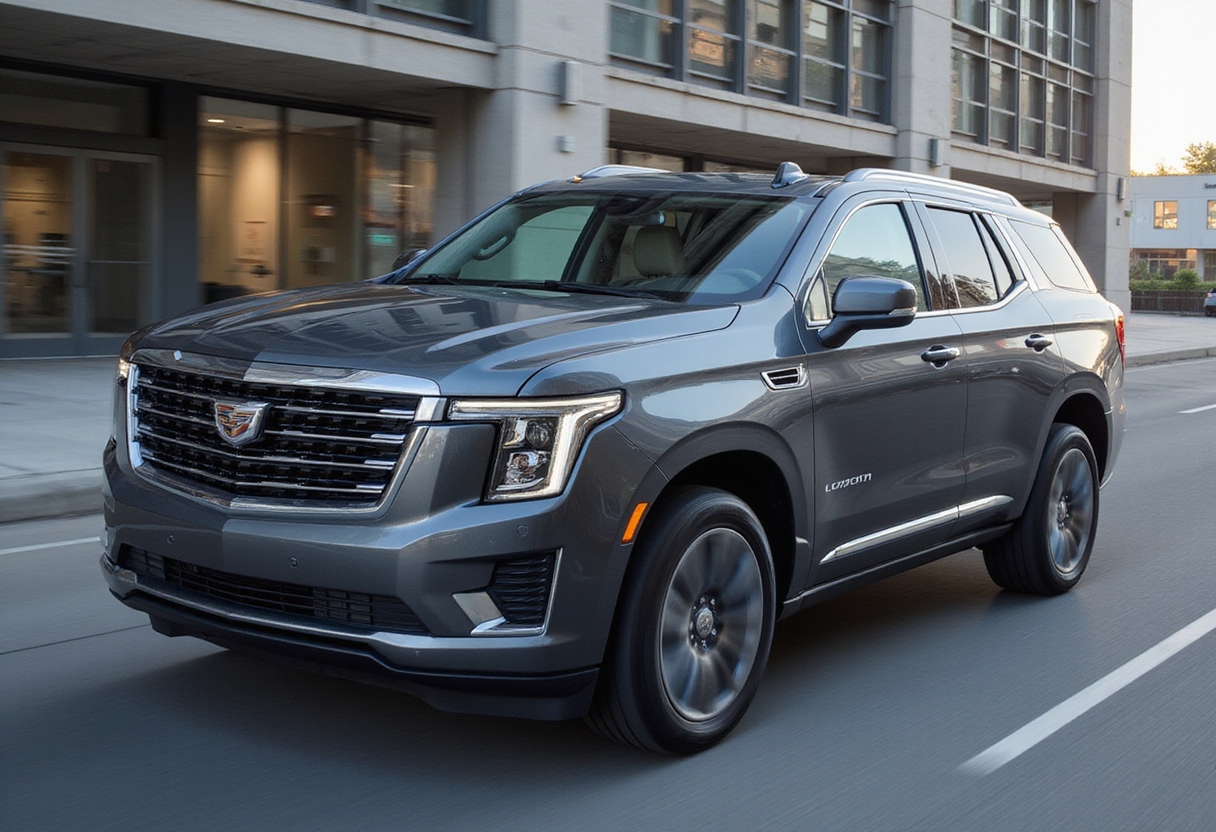
Lincoln, Ford's luxury marque and a direct rival to General Motors' Cadillac brand, will move vehicle production from China to the United States, according to a report by GM Authority.
The report gives the story its headline and little else at this stage. It names no plant, no model, no volume figure and no timeline. That gap matters, because Lincoln's manufacturing footprint currently spans both countries, and any re-shoring decision would carry very different implications depending on which assembly line moves.
Lincoln operates production in China through Changan Ford, the joint venture Ford maintains with Changan Automobile. The venture builds Lincoln models for the Chinese domestic market at facilities including the Hangzhou plant, which has produced the Lincoln Nautilus among other nameplates. For the U.S. market, Lincoln already assembles core models domestically: the Ford Louisville Assembly Plant builds the Corsair, the Chicago Assembly Plant builds the Aviator, and the Kentucky Truck Plant in Louisville builds the full-size Navigator.
What the reported shift most plausibly targets is the Nautilus, which Ford builds in China for export to North America. That arrangement has made Lincoln dependent on imported inventory for a growing segment of its U.S. lineup, and it exposes the brand to the tariff structure now applied to Chinese-built vehicles imported into the American market. Under current U.S. trade policy, Chinese-built vehicles face steep import duties, and that cost pressure gives any OEM with China-based export production a strong financial reason to reconsider the sourcing.
Ford has not confirmed the report. No plant allocation, investment figure or jobs number has been announced, and GM Authority's item does not cite a company statement, a supplier communication or a production schedule. Until Ford or Lincoln speaks on the record, this remains an intention reported by trade media rather than a confirmed capacity plan.
The distinction matters for the supplier base. A genuine production move would redirect tooling, stamping contracts and sequencing work from Changan Ford's Chinese ecosystem to a U.S. Ford plant — likely one with available capacity in Ford's Midwest and Southern manufacturing footprint. Suppliers holding China-based contracts for the affected program would need to re-quote, re-tool or establish North American production. None of that activity has been reported yet, which is itself a signal: real program moves of this scale generate sourcing requests and supplier readiness surveys months before any public announcement.
For Lincoln, the timing aligns with a broader repositioning. The brand has pared its lineup, exited sedans and concentrated on three-row and two-row utility vehicles, with the Nautilus serving as its volume five-seat crossover. Reshoring that model would put Lincoln's entire North American portfolio on domestic assembly lines for the first time since the China-sourced Nautilus launched.
What to watch next: a confirmation or denial from Ford Motor Company, any Chicago, Louisville or Kentucky Truck Plant investment filing, and the first supplier sourcing notices tied to a U.S.-built replacement program. The decisive marker will be a production start date — until then, the capacity plan remains an intention, not a schedule.
via Google News: Auto plant and vehicle production (Source)