ECO-4754 · REV Y · effective November 5, 2026
EV Manufacturing TransitionAPPROVEDEngineering notice
EKA Mobility opens six plants, lifting group capacity past 40,000 EVs
EKA Mobility and Pinnacle Industries have commissioned six plants in Pune and Pithampur, lifting group capacity past 40,000 EVs a year with an $1.7 billion bus order backlog.
Scope of change
- Six new facilities inaugurated in Pune, Maharashtra and Pithampur, Madhya Pradesh
- Group now operates 11 plants on 120 acres with capacity above 40,000 EVs per year
- Investment exceeds ₹3,500 crore in manufacturing plus over ₹600 crore in R&D
- Order book tops 11,000 electric buses valued at $1.7 billion
- Group workforce exceeds 6,000 employees
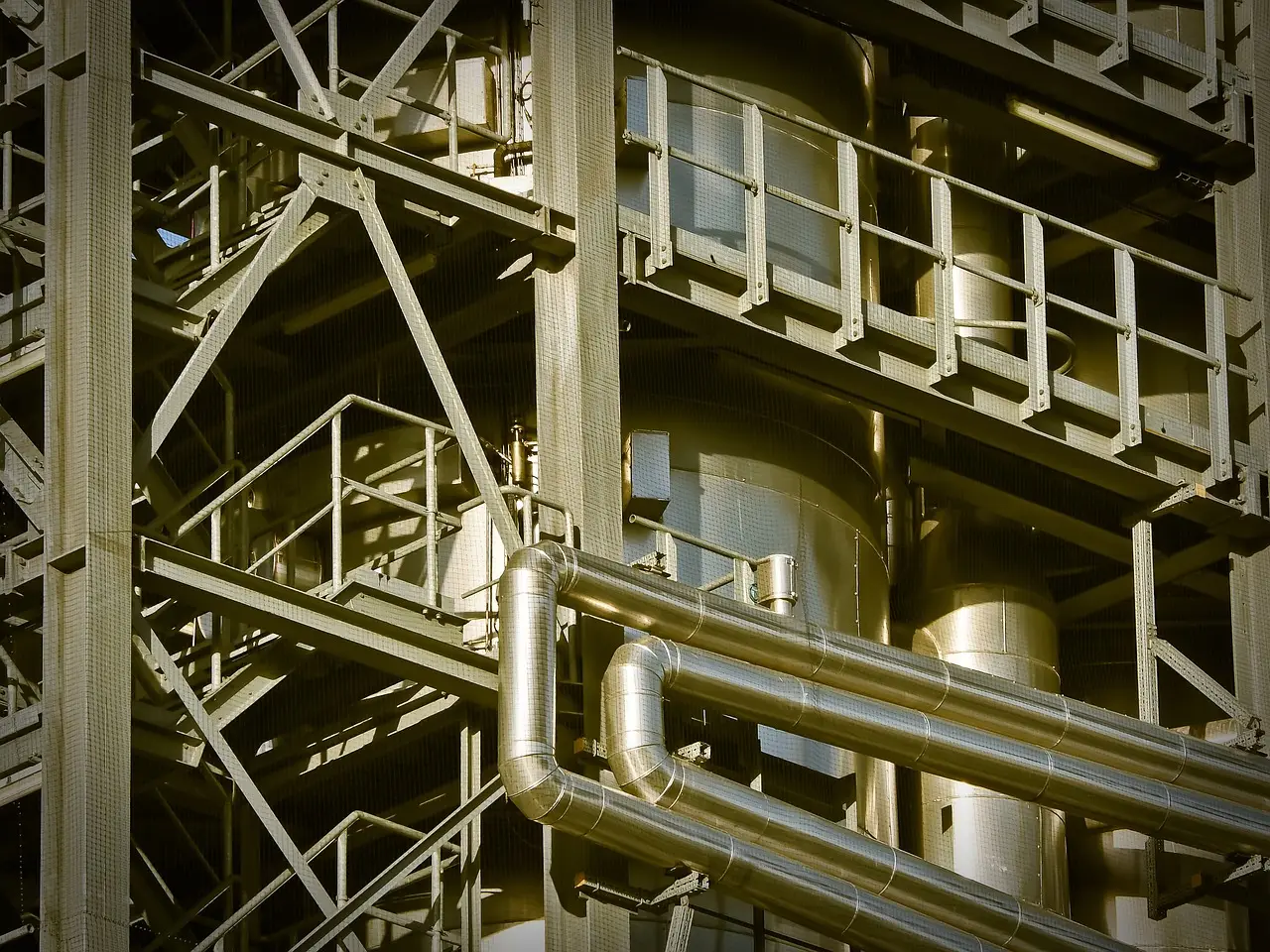
Six new manufacturing facilities went into operation this week for EKA Mobility and its partner Pinnacle Industries Ltd., lifting the Indian group's annual production capacity above 40,000 electric vehicles. The plants sit in two clusters: Pune in Maharashtra and Pithampur in Madhya Pradesh, the latter a long-established automotive hub often described as the "Detroit of India."
The company presented the inauguration as a single program, branded EKA Avirbhava. It is better understood as six parallel capacity additions across the group, not one consolidated plant. According to the company, the new sites cover:
- Electric small commercial vehicles (a segment covering last-mile delivery vans and light trucks)
- Electric buses and trucks
- Automotive engineering services
- EV components
- Battery enclosures (the structural housings that protect battery packs)
- Seating systems and vehicle interiors
Some of the facilities belong to EKA's own commercial vehicle platforms. Others are operated by group companies, including VDL Pinnacle Engineering and Instor India, which supply engineering and interior systems respectively.
What scale does the group now claim?
With the six additions, EKA and its group companies operate 11 manufacturing facilities across 120 acres. The group says it has invested more than ₹3,500 crore (roughly $420 million) in its manufacturing ecosystem and over ₹600 crore in research and development. A crore equals ten million rupees.
The commercial anchor is the order book. EKA reports more than 11,000 buses on order, valued at $1.7 billion. That backlog, rather than the ribbon-cutting itself, explains the urgency of the capacity build-out: buses on firm order need plants to build them. The group employs more than 6,000 people.
The company states the facilities will support production expansion across electric buses, small commercial vehicles, and medium and heavy commercial vehicle trucks — a portfolio that spans passenger and freight applications.
What did the founder say?
Sudhir Mehta, Founder and Chairman of EKA Mobility and Group Companies, framed the investment as a deliberate strategy rather than a collection of plants. He said: "The diversity of our product portfolio is not an accident. It is a conscious idea, because to make a real difference, we must impact every Indian and every traveller. That means looking at mobility holistically: goods and passengers, from the first mile to the last mile."
Mehta also described the facilities as more than infrastructure, pointing to employment, talent development and what he called India's emergence as a global manufacturing powerhouse.
How solid are the numbers?
These figures come from the company itself and should be read as stated intentions and group-level claims, not independently verified output data. The 40,000-vehicle capacity is an annual figure across all 11 sites; the company has not published a breakdown of how that capacity divides between buses, trucks and small commercial vehicles. No commissioning timeline for ramping the new plants was disclosed.
The order book of 11,000 buses is the hardest number in the announcement. The $1.7 billion valuation attached to it implies an average bus price of roughly $155,000, which is consistent with the Indian e-bus market. Delivery schedules for those orders were not specified.
What to watch next
Three indicators will show whether the capacity is real or aspirational: the rate at which the 11,000-bus backlog converts to registrations, any disclosure of capacity utilization at the Pune and Pithampur sites, and follow-on tenders under India's state e-bus procurement programs, where most of that order book originates.
via EVreporter (Source)
More from Sophie Lindqvist
Show full bio
Correspondent covering money, funding and market shifts around Automotive manufacturing and vehicle production at Autoplant Brief.
258 articles
Also circulated
- EV manufacturing is reshaping demand for Grade A industrial space
- Valeo and Mahindra Partner on EV Powertrain Manufacturing in Pune
- Uno Minda Commits ₹550 Crore to Maharashtra EV Powertrain Plant
- Audi India Weighs Local EV Production as It Targets 16% Market Share
- Valeo adds e-powertrain line at Pune site