ECO-3273 · REV N · effective October 12, 2026
EV Manufacturing TransitionRELEASEDEngineering notice
Audi India Weighs Local EV Production as It Targets 16% Market Share
Audi India targets 16% of the premium market and says it is evaluating local EV manufacturing, with no plant, capex or timeline yet disclosed.
Scope of change
- Audi India targets 16 per cent share of India's premium car market.
- The company says it is evaluating local manufacturing of electric vehicles.
- No plant location, investment figure or production timeline accompanied the announcement.
- India's EV policy offers tariff incentives for automakers committing to domestic production.
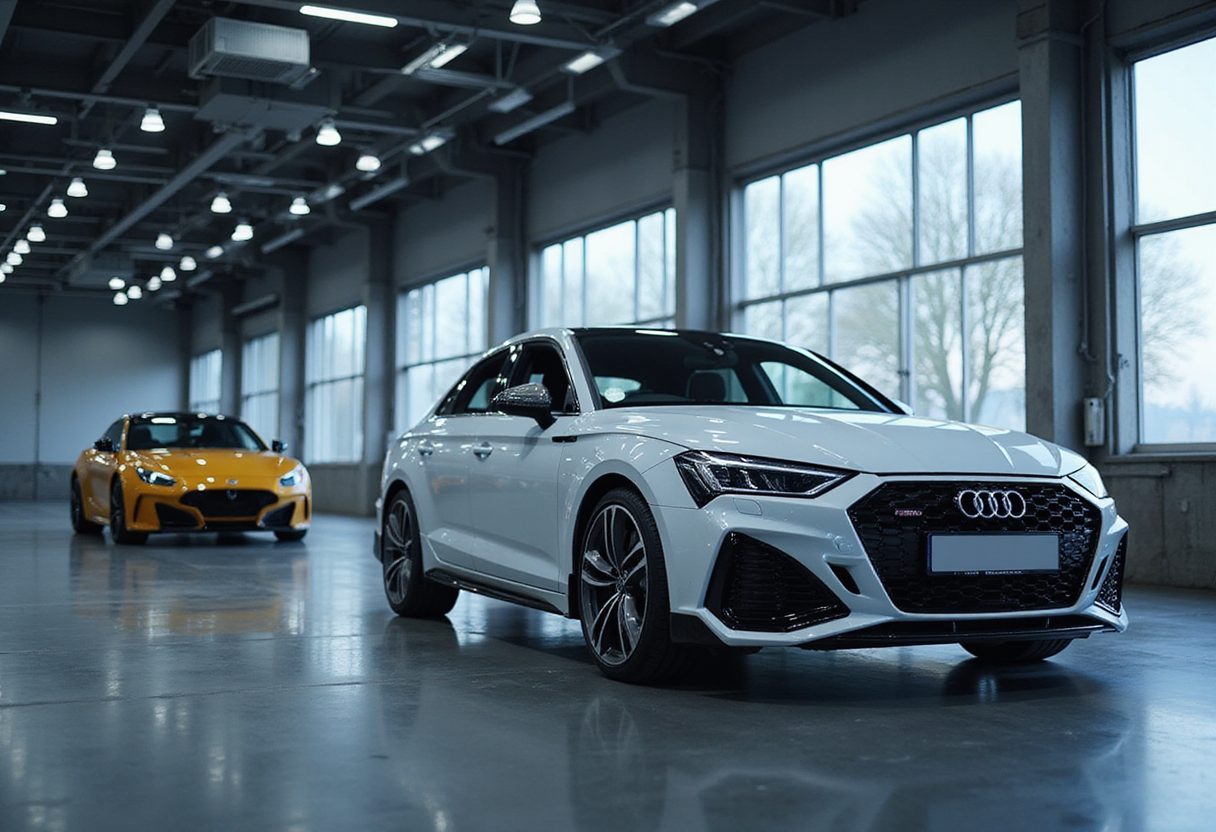
Audi India says it is evaluating local manufacturing of electric vehicles as it works toward a target of 16 per cent share of India's premium car market, according to a report by Indian Television Dot Com.
The 16 per cent share goal is the hardest number on the table. Everything else in the announcement remains a stated intention rather than a confirmed program: no plant has been named, no investment figure disclosed, and no timeline for a production decision has been set.
That distinction matters for anyone tracking India's emerging EV supply base. An OEM "weighing" local assembly is a signal, not a capacity plan. Audi India has not said which models would be built, at what volumes, or whether the route would be full local assembly through the imported-kits pathway that India's EV tariff policy now encourages.
What has Audi actually committed to?
Only two things, strictly read:
- A market-share ambition of 16 per cent in India's premium segment.
- An active internal evaluation of manufacturing electric vehicles locally.
No production site, capex figure, supplier roster, launch date or headcount estimate accompanied the statement. Trade readers should treat this as a feasibility study at best — the kind of announcement that precedes, but does not guarantee, a manufacturing commitment.
Why local EV assembly is on the table
The context for Audi's deliberation is India's policy push to localize EV production. Delhi has created tariff incentives for automakers that commit to building electric vehicles domestically, a framework global OEMs have used to justify local programs.
For a premium brand such as Audi, the calculation is straightforward:
- Imported EVs carry high landed costs in a price-sensitive market.
- Local assembly could reduce those costs and widen the addressable customer base.
- A domestic footprint would also position the brand for any future tightening of import rules.
Whether that logic converts into metal on a line depends on volumes Audi believes it can secure in a premium EV segment that remains small in India.
Intent versus capacity
Automotive Manufacturing Solutions readers will recognize the pattern. OEMs routinely announce localization studies to test policy and public reaction; a subset of those studies becomes funded programs. The gap between the two is where manufacturing journalists place the burden of proof.
In Audi India's case, the verification points are absent from the current announcement:
- No plant identified — whether an existing group facility or a new site.
- No confirmed annual capacity.
- No supplier-tier commitments or localization percentage targets.
- No program timing, not even a year for a production decision.
Until those elements appear, the 16 per cent share target stands as the only figure that can be held to account, and it is a commercial goal rather than an industrial one.
What to watch next
Three markers will tell observers whether this study hardens into a program:
- A named assembly location, which would indicate whether Audi uses group infrastructure in India or stands up something new.
- An investment figure attached to a formal board-level approval, which separates a funded program from an evaluation.
- A policy filing under India's EV manufacturing incentives, which would signal a binding localization commitment.
The absence of any of these today is the story's real substance: Audi India has opened a conversation about building electric cars domestically, aimed at 16 per cent of the premium market, and has committed to nothing beyond the conversation.
via Google News: EV manufacturing (Source)
More from Amara Osei
Also circulated
- EV manufacturing is reshaping demand for Grade A industrial space
- Bosch SDS, Dassault Systèmes Target AI-Led EV Manufacturing in India
- Western carmakers double down on India despite market uncertainty
- India Targeting 50 Million Vehicle Output by 2030
- Zelio E-Mobility targets Rs 168 crore to scale EV plants, dealers