Effective November 24, 2026
Suppliers & Tier-1sEngineering notice
First BASF cathode shipments to CATL leave Schwarzheide
BASF has begun shipping cathode active materials to CATL from Schwarzheide, Germany's only such plant, under a 2025 global framework agreement while divesting its battery recycling business to Cylib.
Scope of change
- CAM shipments from BASF's Schwarzheide plant to CATL have begun, executing a 2025 global framework agreement.
- Schwarzheide is Germany's only cathode active materials production facility.
- BASF has supplied CATL from Changsha, China, in parallel with the German site.
- BASF and CATL first partnered in 2021.
- BASF is selling its battery recycling division, including Schwarzheide and North American facilities, to Cylib.
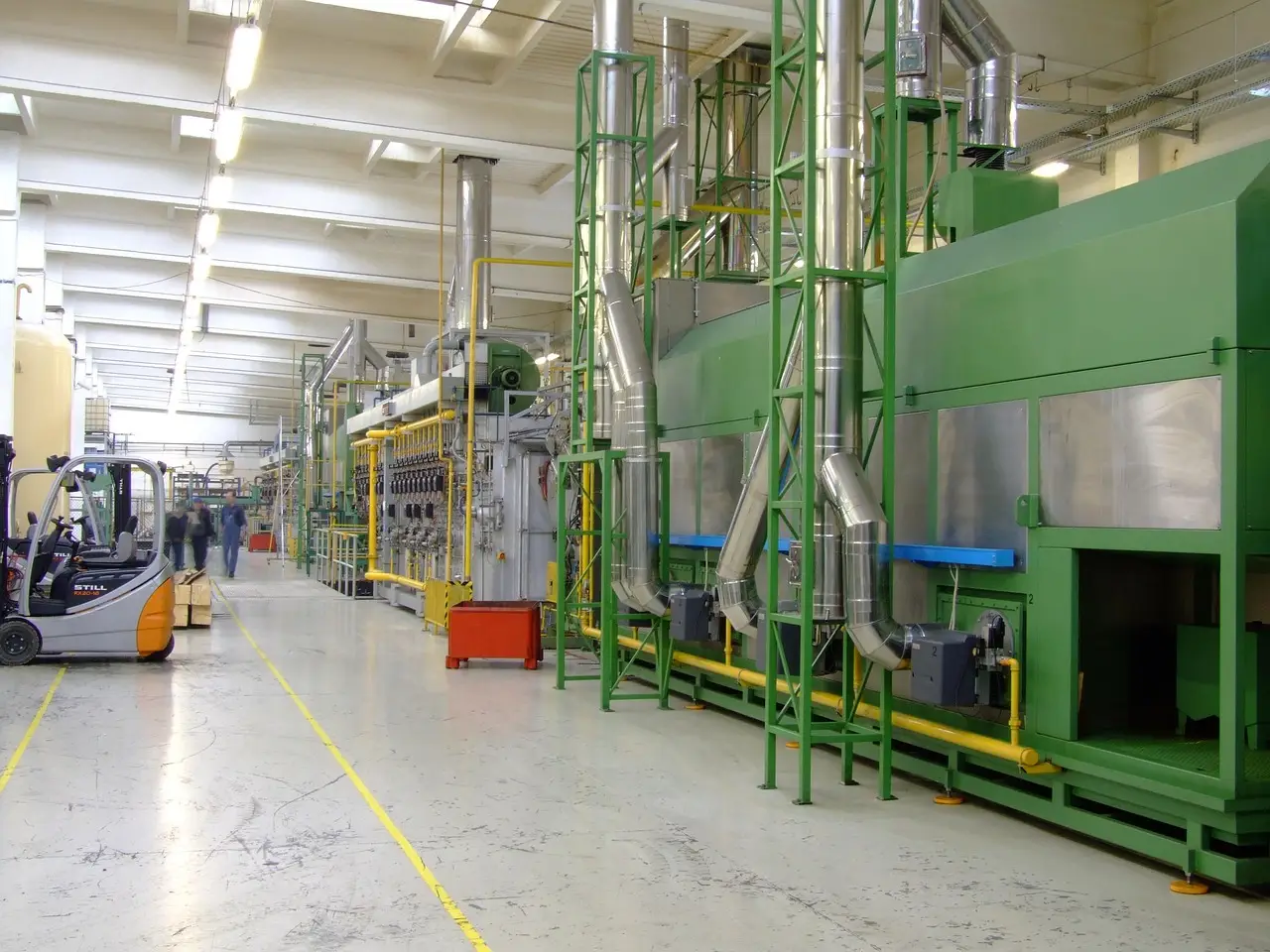
Cathode active material shipments from BASF's Schwarzheide site to CATL have started. The deliveries execute a global framework agreement signed in 2025. That deal expanded a collaboration dating back to 2021.
For BASF, the first trucks out of Schwarzheide mark a step toward its stated strategic focus on battery materials. Note the tense: the strategy remains a goal, not a completed pivot, and the company did not disclose shipment volumes, contract value, or duration. Those numbers are absent from the announcement.
What is actually moving?
Cathode active materials, or CAM, sit at the core of every lithium-ion cell. They largely determine cell performance and characteristics, which makes them a critical input rather than a commodity purchase. BASF says the Schwarzheide material is tailored to CATL's technical specifications.
The location matters. Schwarzheide hosts Germany's only CAM production facility, according to BASF. European sourcing shortens transport routes for CATL and strengthens regional supply security for automakers and cell plants on the continent. In practice, that means CATL's European cell operations no longer depend solely on imported cathode material for this supply line.
BASF also supplies CATL from local production in Changsha, China. The Schwarzheide start therefore extends an existing flow rather than opening a brand-new one.
From development to supply
The shift is procedural as much as commercial. Before these deliveries, the Germany-based collaboration with CATL sat in product development and qualification. It now moves into ongoing supply operations.
Dr. Daniel Schönfelder, Head of the Battery Materials business unit at BASF, framed the milestone as evidence of execution. "We are proud to work with CATL and to have reached this important next milestone together," he said. "These first deliveries are the result of close collaboration between our teams across development, qualification, production and supply."
Schönfelder added that the achievement "reflects the complementary strengths of CATL and BASF and our shared commitment to execution, speed and agility" and said it "provides a solid foundation for our future collaboration and reinforces our confidence in the European battery industry."
Confidence is cheap in press releases. What would test it is sustained volume, on-time delivery, and CAM quality at automotive scale over multiple quarters — none of which a first shipment demonstrates.
BASF narrows its bets
Within the BASF Group, battery materials is one of the business areas carrying the company's electromobility push and its shift toward what it calls more sustainable technologies. To sharpen the focus on cathode materials specifically, BASF is divesting battery recycling entirely.
The company is selling its battery recycling division, including the relevant facilities in Schwarzheide and North America, to Cylib. The sale price and closing date were not disclosed. The move concentrates BASF's battery exposure on cathode chemistry while handing end-of-life material recovery to a specialist — a bet that CAM supply, not recycling loops, is where the margin sits.
What to watch next
Three markers will show whether Schwarzheide becomes a real supply pillar. First, any disclosure of shipment volumes or annual CAM capacity tied to the CATL contract. Second, the closing of the Cylib recycling sale and its terms. Third, evidence that CATL's European cell plants draw on Schwarzheide material at scale rather than treating it as a supplementary source beside Changsha. Until then, the milestone stands as a confirmed start of deliveries, not a proven supply relationship.
via electrive (Source)
More from Amara Osei
Show full bio
Market editor covering technology and product news in Automotive manufacturing and vehicle production at Autoplant Brief.
351 articles
Also circulated
- Cylib to buy BASF battery recycling operations, close set for 2027
- BASF sells battery recycling business to Cylib, exits to focus on cathode materials
- India's Battery Material Makers Face 30% Cost Gap to East Asia
- CATL-Seres Deal Pushes Aito Battery Capacity Past 20 GWh
- POSCO Group to supply CATL with lithium through 2028