Effective November 23, 2026
Industry Analysis & MarketsEngineering notice
Cylib to buy BASF battery recycling operations, close set for 2027
Aachen startup Cylib will take BASF's European and North American battery recycling operations, including a 15,000-tonne-a-year plant in Schwarzheide, pending 2027 regulatory clearance.
Scope of change
- Cylib will acquire BASF's battery-recycling operations in Europe and North America, with closing targeted for Q2 or Q3 2027.
- BASF's Schwarzheide plant, commissioned in June 2025, can process up to 15,000 tonnes per year.
- BASF invested about €550 million in the larger Schwarzheide battery-materials complex.
- Cylib claims its water-based process can recover about 90% of lithium-ion battery raw materials.
- Cylib's Wernberg-Köblitz mechanical plant has capacity of up to 10,000 tonnes per year.
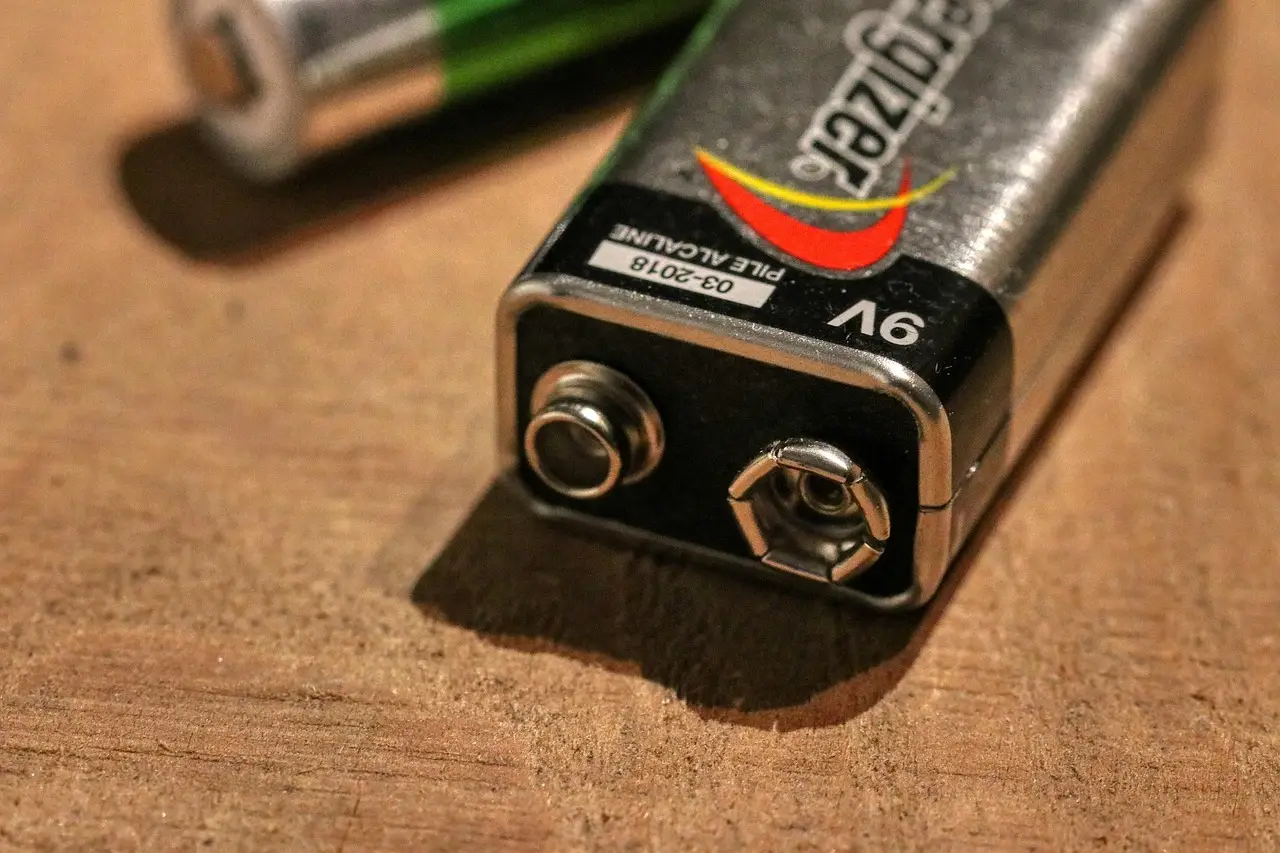
Cylib’s planned acquisition of BASF’s battery-recycling business includes a Schwarzheide plant commissioned in June 2025 that can process 15,000 tonnes of end-of-life lithium-ion batteries and production scrap annually, BASF says. The Aachen startup expects closing in the second or third quarter of 2027, subject to regulatory approvals; the purchase price remains confidential.
Aachen-based Cylib, founded in 2022 as an RWTH Aachen spin-off, is buying all BASF battery-recycling activities in Europe and North America. The transfer includes customer and partner contracts, intellectual property and two existing facilities at the Schwarzheide site in Brandenburg.
What does this change for battery recyclers?
Deal scope. Cylib would gain an operating mechanical-processing line, a prototype chemical-recovery refinery, North American customer relationships and a collection network. BASF retains cathode-material production and is leaving recycling.
- The commercial plant mechanically processes end-of-life batteries into black mass, the intermediate battery material used in downstream metal recovery. BASF says the plant’s annual input capacity corresponds to around 40,000 electric-vehicle batteries.
- The second Schwarzheide facility is a prototype battery-recycling plant with a refinery for downstream hydrometallurgical recovery, or liquid-based chemical metal recovery.
- Existing BASF customer relationships in the United States give Cylib access to the North American market.
- A BASF-built network with partners covers the collection, discharge and dismantling of end-of-life batteries.
The agreement does not disclose how many BASF employees will transfer to Cylib. It also leaves open how the acquired assets will fit with Cylib’s Aachen pilot plant, Wernberg-Köblitz operation and Dormagen project.
BASF’s investment. Schwarzheide forms part of a larger battery-materials complex into which BASF has invested about €550 million. Federal and state governments provided roughly €175 million for the project, while Brandenburg also committed around €5 million specifically for the recycling plant. Those figures cover BASF’s historical project investment, not the undisclosed purchase price.
The Schwarzheide flows were designed to recover lithium, nickel, cobalt and manganese, then use them in cathode-material production at the adjacent BASF plant. That cathode production will remain with BASF.
Under the broader portfolio realignment, BASF intends to focus its Battery Materials portfolio exclusively on cathode materials and is divesting recycling. The company had already adjusted its battery-materials investment plans as market conditions changed. The transaction sits upstream of vehicle assembly; the announcement names no vehicle OEM as a party.
Cylib’s industrial platform. Cylib says its water-based recycling technology can recover around 90% of the raw materials from lithium-ion batteries. The startup has demonstrated the entire process chain in a pilot plant in Aachen, but it has disclosed no commercial-scale recovery rate.
At a facility acquired last summer in Wernberg-Köblitz, Bavaria, Cylib now operates a mechanical-processing plant rated at up to 10,000 tonnes per year. A larger plant for the subsequent hydrometallurgical recovery of raw materials is under construction in Dormagen.
The acquisition adds processing capacity, industrial infrastructure, expertise and established customer relationships. It also gives Cylib infrastructure and customers while its own integrated recovery plant remains under construction.
Technology fit. BASF’s commercial plant uses mechanical processing to make black mass, while its prototype refinery covers the subsequent chemical-recovery stage. Cylib’s OLiC process also uses hydrometallurgy, with an emphasis on early lithium recovery and additional graphite recovery.
That overlap gives Cylib a potential technical fit. No plan has been disclosed for combining the two chemical-recovery approaches, leaving process integration, startup performance and operating economics unresolved.
Financing. Cylib is expanding its financing and industrial capability around the transaction. In mid-November, it announced a bank-financing arrangement with Sparkasse Aachen for an undisclosed amount. A few days later, the company made public the participation of the Federal Agency for Disruptive Innovation, or SPRIND.
“The startup era is over for us,” co-founder Lilian Schwich told Handelsblatt.
Herbert Mangesius of investor Vsquared Ventures described Cylib in Handelsblatt as a “central consolidator of the Western battery recycling industry.” That is an investor assessment, not operating proof; Cylib still must integrate the acquired structures and run them economically.
The next hard markers are regulatory approvals toward the Q2 or Q3 2027 closing, a disclosed employee-transfer count, a commissioning date for Dormagen and operating data from the 15,000-tonne Schwarzheide plant and 10,000-tonne Wernberg-Köblitz line. Until those arrive, the acquisition gives Cylib industrial assets and customers, but not proof of a scaled, integrated recycling business.
via electrive.net (Original)
More from Grace Kim
Show full bio
Staff writer covering people, launches and day-to-day practice in Automotive manufacturing and vehicle production at Autoplant Brief.
309 articles
Also circulated
- BASF sells battery recycling business to Cylib, exits to focus on cathode materials
- SPRIND Takes Equity Stake in Cylib to Scale Battery Recycling
- Green Science Alliance opens battery recycling lab in Biel, Switzerland
- First BASF cathode shipments to CATL leave Schwarzheide
- Fortum produces battery-grade materials in Harjavalta recycling pilot