Effective November 24, 2026
EV Manufacturing TransitionEngineering notice
BASF sells battery recycling business to Cylib, exits to focus on cathode materials
BASF will sell its European and North American battery recycling operations, including the Schwarzheide black mass plant, to Cylib, refocusing its Battery Materials division solely on cathode active materials.
Scope of change
- BASF agreed to sell its battery recycling business in Europe and North America to Cylib; closing expected between Q2 and Q3 2027.
- The deal includes the black mass production facility and recycling prototype plant in Schwarzheide, Germany; financial terms undisclosed.
- Cylib claims recovery rates above 90% for lithium, graphite, nickel, cobalt and manganese, with a carbon footprint about 80% below primary extraction.
- BASF's Battle Creek, Michigan and Harjavalta, Finland plants remain mothballed while the company seeks partners.
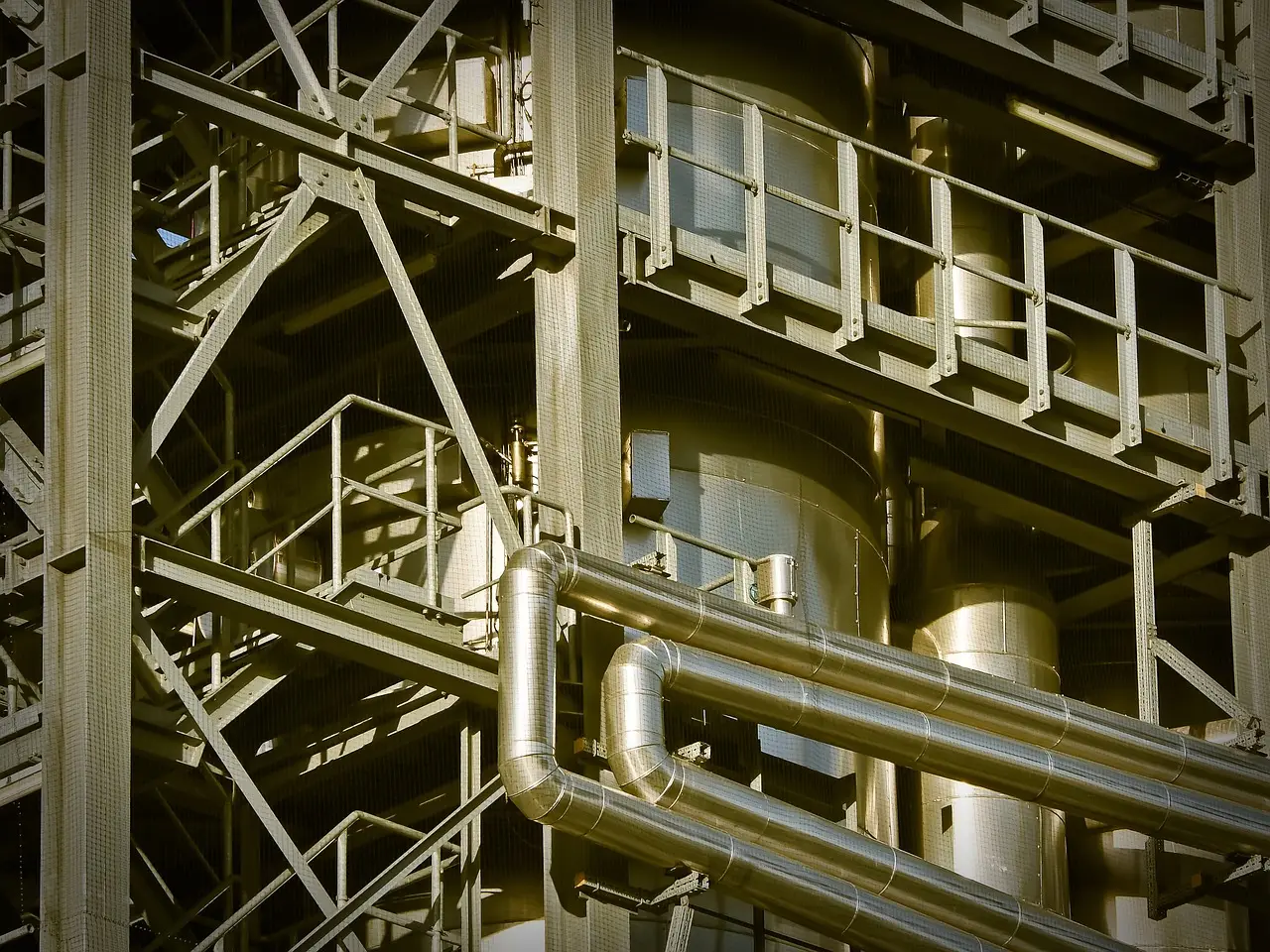
BASF has signed an agreement to sell its battery recycling business to Cylib, with closing expected between the second and third quarters of 2027, subject to regulatory approvals. Financial terms were not disclosed. The sale refocuses BASF's Battery Materials division exclusively on cathode active materials (CAM, the lithium compound that determines most of a battery cell's energy density and cost).
The agreement covers BASF's battery recycling operations in Europe and North America. Cylib will acquire associated intellectual property, customer contracts, and partner relationships. The transaction also includes BASF's black mass production facility (black mass is the shredded output of spent batteries, containing lithium, nickel, cobalt and other metals) and its battery recycling prototype plant in Schwarzheide, Germany.
Why is BASF getting out of recycling?
BASF began reassessing its Battery Materials activities in 2024 in response to changing conditions in the global electric vehicle and battery markets. Since then, the division has revised investment plans, worked to improve competitiveness, secured customer agreements, and begun assessing partnership options for activities outside its future portfolio.
The company said the sale supports its "Winning Ways" strategy. Anup Kothari, member of BASF's executive directors board, said: "This next step in the strategic development of the business reflects the 'Winning Ways' strategic ambition: Enabling standalone businesses like BASF Battery Materials to compete successfully in their specific markets and maximise their value."
The retreat from recycling is not complete. The division is separately considering strategic options for its production facility in Battle Creek, Michigan, and its Precursor CAM plant in Harjavalta, Finland. Both facilities are mothballed, with BASF seeking partners to develop their existing assets and capabilities.
What does the deal give Cylib?
Cylib said the acquisition expands its position in European battery recycling, supports Europe's security of supply for critical raw materials, and provides access to the North American market and customer relationships in the US.
The company operates across the chain from end-of-life batteries to raw materials. Its process recovers lithium, graphite, nickel, cobalt, and manganese at a recovery rate of more than 90%, with a carbon footprint around 80% lower than primary extraction.
Cylib's pilot plant in Aachen runs the full process chain. Its OLiC technology and process know-how are being transferred progressively to industrial-scale plants. The Schwarzheide facility is expected to extend Cylib's European processing network and provide access to feedstock.
Cylib co-CEO and co-founder Gideon Schwich said: "With the acquisition of BASF's battery recycling business, we are further expanding our role in the European market."
For BASF, the disposal continues a pattern of narrowing its battery footprint rather than exiting the sector entirely: CAM production stays, while everything upstream and downstream moves to partners or buyers.
What to watch next: the regulatory approvals that gate closing between Q2 and Q3 2027, the fate of the mothballed Battle Creek and Harjavalta sites, and whether Cylib converts the Schwarzheide prototype plant into commercial-scale recycling capacity.
via just-auto (Source)
More from Sophie Lindqvist
Show full bio
Correspondent covering money, funding and market shifts around Automotive manufacturing and vehicle production at Autoplant Brief.
336 articles
Also circulated
- Cylib to buy BASF battery recycling operations, close set for 2027
- SPRIND Takes Equity Stake in Cylib to Scale Battery Recycling
- First BASF cathode shipments to CATL leave Schwarzheide
- Green Science Alliance opens battery recycling lab in Biel, Switzerland
- Fortum produces battery-grade materials in Harjavalta recycling pilot