ECO-4279 · REV L · effective November 10, 2026
EV Manufacturing TransitionRELEASEDEngineering notice
India's Battery Material Makers Face 30% Cost Gap to East Asia
Indian battery material makers face a 30% cost gap to East Asian rivals, MolSynth's Kunal Daga says, as GFCL EV nears final LFP qualification and a components PLI is debated.
Scope of change
- Indian battery material producers face a ~30% cost gap against East Asian competitors, per MolSynth's Kunal Daga
- GFCL EV expects final LFP CAM customer qualification in FY 2026-27 and has supplied LiPF6 commercially since December 2025
- GFCL EV targets close to 70% of LFP cell value across CAM, electrolyte salt, binders and anode
- TACC's synthetic graphite anode plant in Dewas, Madhya Pradesh, is expected to begin operations in 2027
- Active material qualification takes 18-24 months or more with top-tier cell makers; solvents and parts take 6-12 months
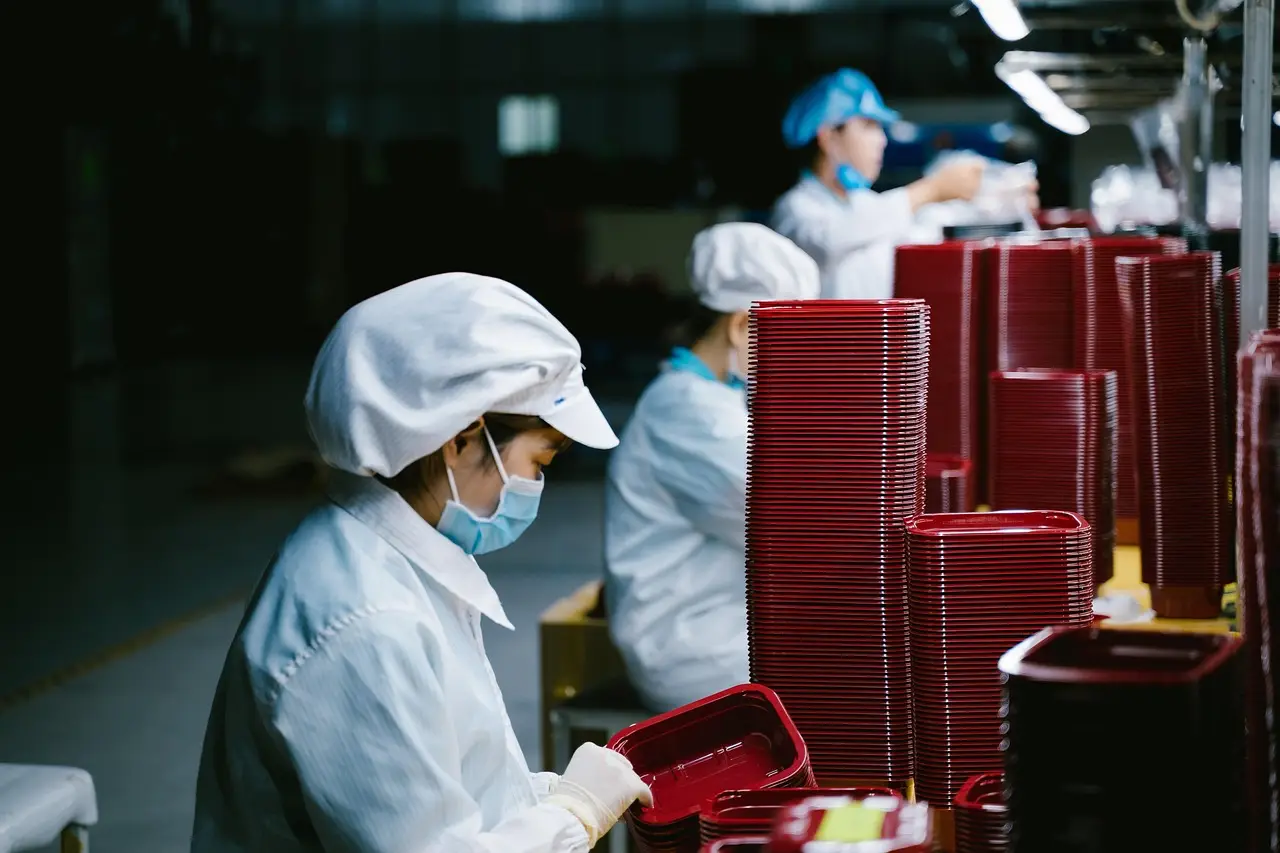
Indian battery material producers face a cost gap of roughly 30% against large East Asian competitors, Kunal Daga, founder and director of Mumbai-based supply chain firm MolSynth, told EVreporter. That number frames the state of India's battery materials industry: real capability, qualified products, but a scale problem only policy can bridge through the qualification years.
Who's actually shipping cathode?
Two companies lead India's LFP cathode active material (CAM, the lithium iron phosphate powder in most Indian cell roadmaps) effort: GFCL EV and Epsilon Advanced Materials. Both have the technical depth to move to Gen 4, the higher-compaction LFP grades now specified by leading cell makers, which separates them from most new entrants.
GFCL EV, the battery materials arm of Gujarat Fluorochemicals, is building an integrated complex in Jolva, Gujarat, anchored by in-house hydrofluoric acid production. It has commissioned and stabilized its LFP CAM plant and received initial customer approvals. Final qualification is expected in FY 2026-27.
The company is also supplying LiPF6 electrolyte salt commercially since December 2025, has PVDF binders in advanced qualification, and plans a natural graphite anode facility. Together it targets close to 70% of the value of an LFP cell. A greenfield battery materials project in Oman is also under development, leveraging trade agreements with the US and India.
Epsilon Advanced Materials, built by Vikram Handa, is already a proven commercial synthetic graphite anode supplier and is validating LFP cathode with cell makers across Asia-Pacific, Europe and the US, according to public announcements. Kalpesh Pandya leads the cathode effort.
Himadri Specialty Chemical has announced an LFP cathode facility in Odisha. It's earlier in the journey, but its carbon chemistry base and anode program make it one to watch.
In NMC cathode, Lohum — the Greater Noida recycler and refiner founded in 2018 — is building CAM capability with Vidyuta Materials. Rubamin is evaluating NMC CAM for the domestic market.
What about anodes and electrolyte salts?
On the anode side, TACC Limited, an HEG and LNJ Bhilwara Group subsidiary, is building a synthetic graphite plant in Dewas, Madhya Pradesh, designed for commercial production from the outset. Operations are expected to begin in 2027, using petroleum coke from global refineries as precursor. TACC is also exploring an anode collaboration with Panasonic Energy.
Epsilon already supplies synthetic graphite commercially. Himadri has installed a pilot line in West Bengal and is moving toward customer samples.
In electrolyte salts, Neogen Chemicals, through subsidiary Neogen Ionics, is pushing LiPF6 and LiFSI, the next-generation salt improving fast charging and cycle life. Its edge is Japanese partnerships: it works with MU Ionic Solutions and has a LiPF6 joint venture in Gujarat with Morita Chemical Industries.
Daga also points to low-hanging fruit — carbonate solvents, additives like VC and FEC, and cell parts including cans, tabs, busbars and thermal components — segments that need less capital and qualify in 6 to 12 months, versus 18 to 24 months or more for active materials with top-tier cell makers.
Qualification never really ends, Daga notes: any change to a plant, process or raw material source can trigger requalification. Indian CAM makers are running parallel approvals on lithium carbonate from several origins to avoid single-supplier dependence.
What does this change for India's cell build-out?
The competition is no longer just China — Korean and Japanese producers are targeting India too. Cathode, anode, electrolyte, separator and foils make up the majority of a cell's cost, so without a domestic materials base India simply shifts import dependence from cells to materials.
A components PLI scheme covering cathode and anode active materials, electrolytes, copper foil and separators is under discussion, reportedly. The lesson from the cell PLI — missed milestones, slow disbursements — looms. The incentive must be large and long enough to bridge part of the 30% gap through qualification and scale-up, Daga argues, with eligibility rewarding genuine domestic value addition.
What to watch: GFCL EV's final LFP CAM qualification in FY 2026-27, TACC's Dewas startup in 2027, and the final design of the components incentive scheme.
via EVreporter (Source)
More from Grace Kim
Show full bio
Staff writer covering people, launches and day-to-day practice in Automotive manufacturing and vehicle production at Autoplant Brief.
266 articles
Also circulated
- China Sets 2030 Target for Large-Scale Solid-State Battery Use
- CATL reaches 20 Ah solid-state samples, pilot line still set for 2027
- Posco Future M to supply 720,000 tonnes of battery materials to LGES
- CATL-Seres Deal Pushes Aito Battery Capacity Past 20 GWh
- CATL starts trial cell production at 100 GWh Debrecen plant