Effective November 24, 2026
Suppliers & Tier-1sEngineering notice
Hyundai Wia develops South Korea's first dual e-LSD for Genesis GV90
Hyundai Wia says South Korea's first dual e-LSD will debut on the 123.5-kWh Genesis GV90, pairing 0.2-second clutch response with four-wheel traction control.
Scope of change
- Hyundai Wia says each clutch in its dual e-LSD engages or releases in about 0.2 seconds.
- The Genesis GV90 has a 123.5-kWh battery, a 240-kW front motor and a 250-kW rear motor.
- Dual e-LSD and multi-chamber air suspension are specified for the GV90 and GV90 Neolun.
- Genesis has begun domestic contracts for both models; no launch date was disclosed.
- Hyundai Wia plans to expand electrified-drive orders but gave no unit or capacity target.
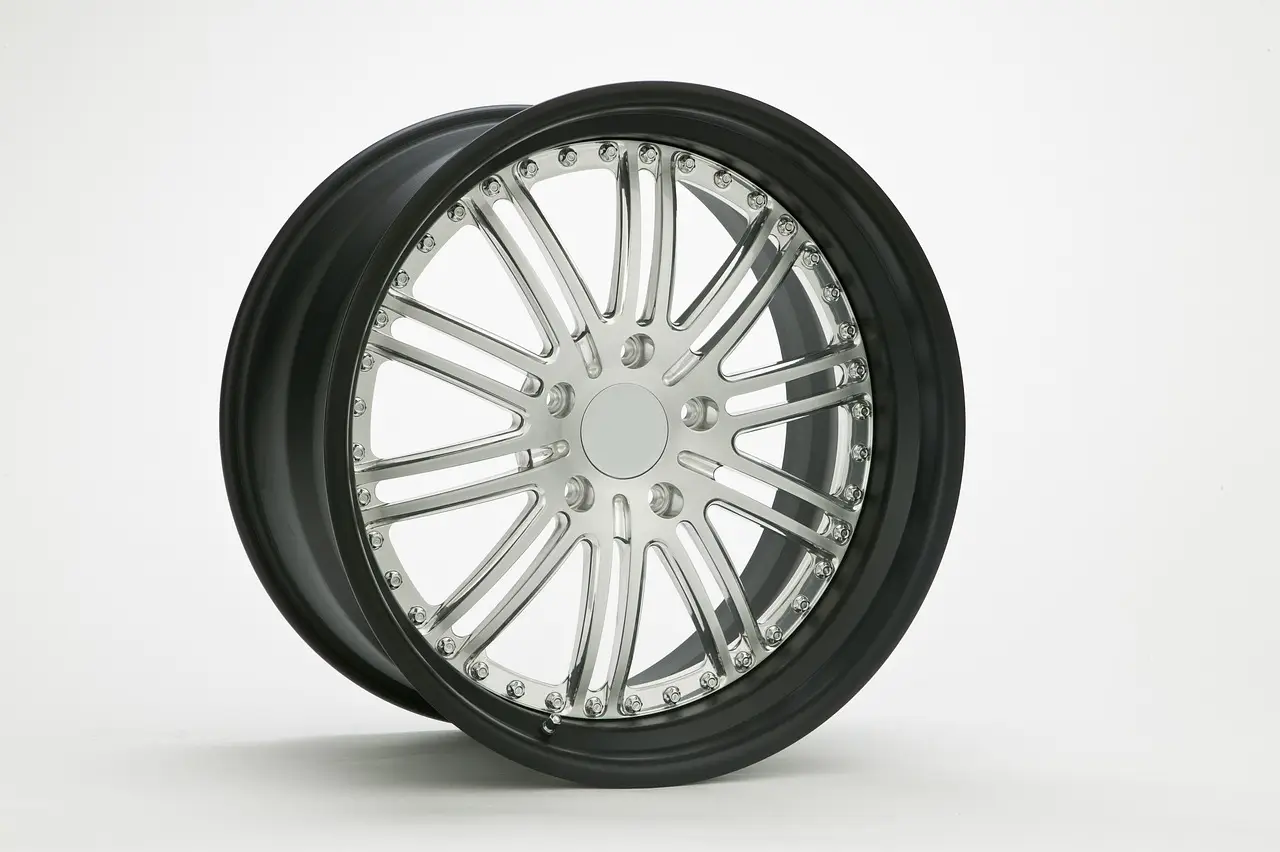
Hyundai Wia says each clutch in its new dual electronic limited-slip differential (e-LSD) can engage or release in about 0.2 seconds, with Genesis’s large electric SUV GV90 slated as the first vehicle application.
The South Korean automotive component supplier calls the unit the country’s first e-LSD combining the front and rear axles. Genesis is slated to fit it on the GV90 to regulate traction across four wheels on slippery roads and during high-speed cornering.
What does this change for EV suppliers?
An e-LSD detects one wheel losing grip and transfers drive force to the other wheel on the same axle. It divides left-right torque according to grip, helping the vehicle regain traction and change direction.
For traction work, each e-LSD limits wheelspin and biases drive toward the wheel with grip. Hyundai Wia says this helps the vehicle clear a slippery section and turn more predictably. The dual layout extends that function from one axle to all four wheels.
The previous common arrangement placed an e-LSD at either the front or the rear. Hyundai Wia’s system uses both locations and adjusts front-rear drive force from the state of all four wheels. The practical change is integration: suppliers must deliver coordinated axle hardware and vehicle-level control, not a stand-alone traction device.
Hyundai Wia developed the integrated controller in-house. It evaluates wheel conditions in real time and commands the front and rear e-LSDs simultaneously, according to the company. The controller coordinates axle action against measured wheel behavior rather than treating the two units as independent devices.
Development also targeted the greater mass of battery-electric vehicles. Hyundai Wia said high-capacity batteries leave an EV heavier than an internal-combustion car, requiring finer front-rear torque control for stability in premium and high-performance models.
At high speed, the system aims to reduce understeer, which pushes the front outward, and oversteer, which lets the rear slide. Its 0.2-second clutch response allows the hardware to react as road grip changes.
Deployment in the GV90
The GV90 uses a dedicated electric-vehicle platform and a 123.5-kWh battery. Its listed powertrain combines a 240-kW front motor, a 250-kW rear motor and the dual e-LSD, which Hyundai Wia and Genesis presented as core specifications.
Genesis has begun taking domestic contracts for the GV90 and GV90 Neolun. The Neolun derivative adds a hidden B-pillar and coach doors. Both models combine dual e-LSD with multi-chamber air suspension, aimed at the ride comfort and performance of a large premium electric SUV.
Commercial scale and verification
Hyundai Wia plans to expand orders for electrified drive components, including the dual e-LSD, as the vehicle enters mass production. A company official described it as: “South Korea’s first front-and-rear integrated system developed exclusively for electric vehicles.” The official said the product would strengthen Hyundai Wia’s push into the premium EV market.
That remains a stated commercial ambition. The announcement gives no order value, unit target, annual capacity or production date, so the industry cannot yet measure its scale. Vehicle production data and customer disclosures will determine whether the GV90 application becomes a broader platform.
Watch next for Genesis to publish the GV90 and Neolun launch dates, Hyundai Wia to disclose an order or capacity milestone as production starts, and any government policy decision affecting EV demand. The announcement provides no timetable for those items.
via news.jkn.co.kr (Source)
More from Marcus Bennett
Show full bio
News editor covering regulation, policy and their impact on Automotive manufacturing and vehicle production at Autoplant Brief.
340 articles
Also circulated
- LG earns first ASIL D gateway certification for Genesis GV90
- LG wins cockpit contract for Renault's first commercial SDV
- Hyundai, Kia and LGES test second-life EV batteries as charging buffers
- Kia Commits 3 Trillion Won to Gwangju EV and PBV Plant by 2029
- Contininent Wins OE Approval for Volkswagen ID. Cross Tyres