ECO-8794 · REV Q · effective October 1, 2026
EV Manufacturing TransitionAPPROVEDEngineering notice
FedEx orders 2,000 electric medium-duty trucks from Harbinger
FedEx orders 2,000 Class 5-6 electric trucks from Harbinger for $300 million, with deliveries starting end of 2027 and full electrification targeted by 2040.
Scope of change
- FedEx ordered 2,000 electric trucks from Harbinger in a $300 million binding order
- Harbinger claims it is the largest binding electric truck order in history
- Projected savings: $40 million per year, ~$800 million over a 20-year lifespan
- Estimated lifetime CO₂ savings exceed 1.7 million tonnes, per US DOE data
- Deliveries begin end of 2027; FedEx targets full PUD electrification by 2040
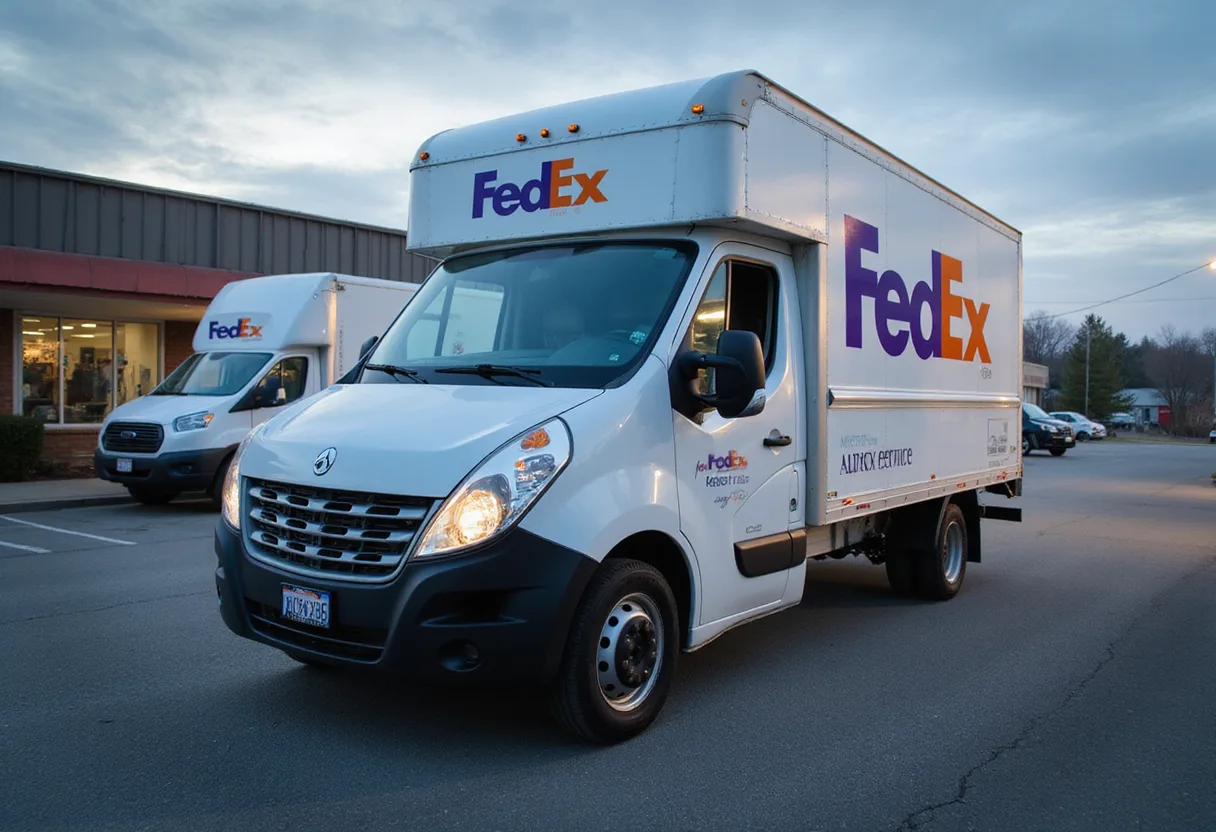
FedEx has placed a binding order for 2,000 electric trucks worth $300 million (about €266 million) with Harbinger — a deal the manufacturer claims is the largest binding order of electric trucks in history.
The claim deserves scrutiny, as supplier claims always do. But the order is real money from a real customer, and it extends a relationship that began when FedEx co-led a $160 million financing round for Harbinger in early 2025. FedEx had already put Harbinger vehicles into its fleet before this week's expansion.
What exactly did FedEx order?
The 2,000 units fall into US Class 5 and Class 6 categories, spanning gross vehicle weights from 7.25 to 11.79 tonnes — medium-duty territory, the workhorse segment for parcel pick-up and delivery. Harbinger has not disclosed drivetrain specifics for the ordered models, so range, battery size and charging arrangements remain unknown.
That gap matters. Without drivetrain data, the savings math rests entirely on the manufacturer's own assumptions.
How much money and CO₂ are on the table?
By Harbinger's calculations, the trucks could cut FedEx's annual fleet costs by $40 million. Spread that over the vehicles' designed 20-year lifespan and the total comes to roughly $800 million — assuming, of course, two decades of stable energy prices, battery durability and duty cycles.
- $40 million — projected annual fleet cost reduction
- ~$800 million — projected savings over a 20-year lifespan
- 1.7+ million tonnes of CO₂ — estimated lifetime emissions savings, based on US Department of Energy data
For perspective: 1.7 million tonnes over 20 years is about 85,000 tonnes a year, or roughly what several thousand diesel delivery vans would emit in combined operation.
What do the trucks offer drivers?
Harbinger also pitches comfort and safety gains. An improved chassis and optimised handling are meant to reduce driver fatigue — not a small thing in an industry where turnover is chronic. The vehicles feature precise steering feedback, enhanced manoeuvrability and a turning circle of roughly 12.8 metres, plus advanced safety and assistance systems.
Whether drivers notice the difference will show up in retention data, not spec sheets.
Where and when will they run?
The trucks will serve FedEx's pick-up and delivery operations in the USA and Canada, replacing diesel models. Canadian deployment gets support from Harbinger's Canadian dealer, Kaizen Automotive Group.
Delivery is scheduled to begin at the end of 2027 — a long runway between order and hardware.
The 2040 backdrop
The order feeds a bigger target: FedEx wants its pick-up and delivery service fully electrified by 2040. Two thousand trucks is a start, not a finish line, and the pace between now and 2040 will decide whether the target holds.
What to watch next: first deliveries at the end of 2027, whether Harbinger discloses the drivetrain details it has so far withheld, and how the claimed $40 million in annual savings holds up against FedEx's actual operating data.
via electrive (Source)
More from Marcus Bennett
Show full bio
News editor covering regulation, policy and their impact on Automotive manufacturing and vehicle production at Autoplant Brief.
321 articles
Also circulated
- Tesla Semi Production Starts in Nevada: 50,000-Truck Capacity, No Volume Commitment
- Janus Electric lands repeat order for six US truck conversions
- Eight 25-metre electric trucks now shuttle Fendt tractor cabs in Bavaria
- Deutsche Bank Sees 50,000-Plus Orders for Updated Li i6
- 25% Trump Tariff Reshapes US Auto Industry Cost Math