ECO-8296 · REV G · effective October 13, 2026
Auto Industry PolicyAPPROVEDEngineering notice
25% Trump Tariff Reshapes US Auto Industry Cost Math
A 25% Trump-era tariff on imported vehicles and parts is reshaping US auto economics — domestic OEMs split between winners and losers, suppliers face double exposure, and buyers see sticker prices climb.
Scope of change
- 25% tariff on imported vehicles took effect in 2025 under the Trump administration
- Same tariff applies to many imported auto parts including steel, aluminum, electronics, and drivetrains
- Tariff exposure gap between fully domestic and Mexican-built vehicles can run $5,000–$10,000 per unit
- Imported-model dealer inventories thinned and sticker prices rose above MSRP in early 2025
- Q3 2025 supplier earnings and October 2025 model-year pricing reset are next major data points
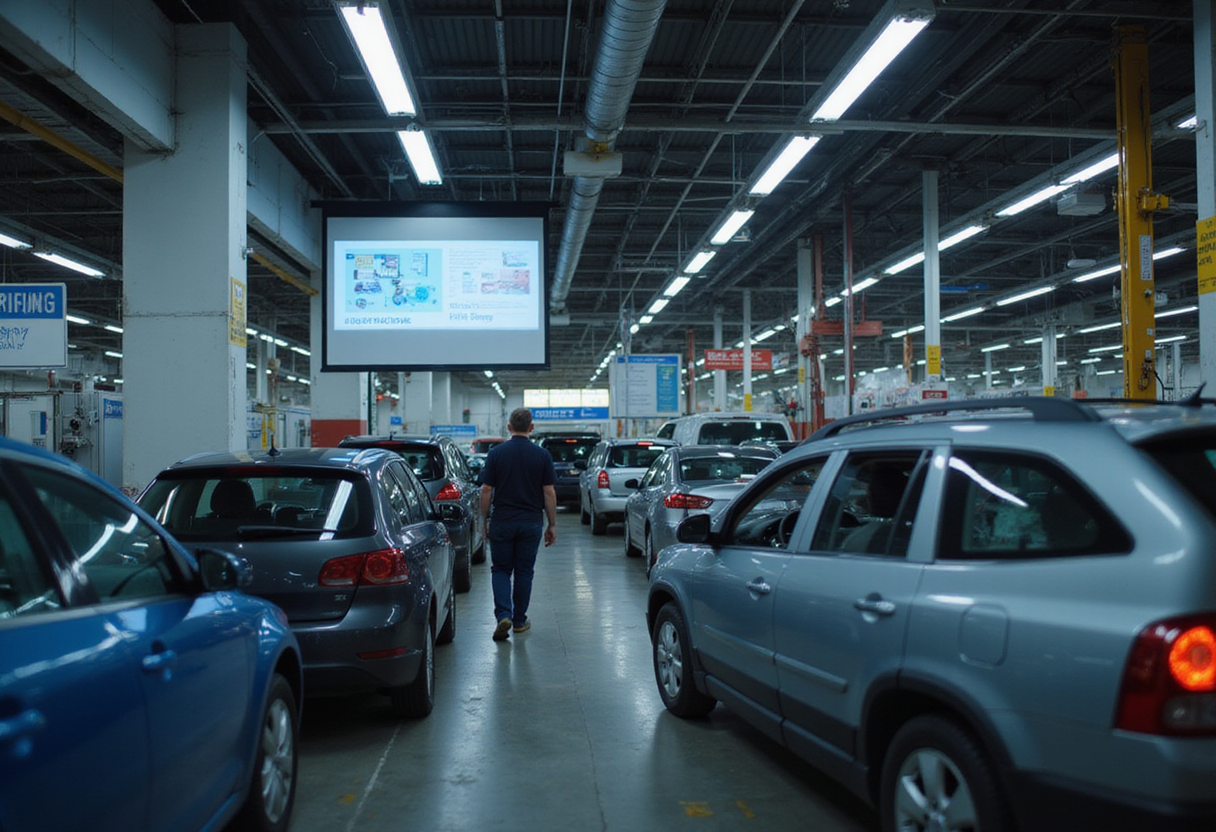
The headline finding from the latest reporting is unambiguous. A 25% tariff on imported vehicles, signed into effect in 2025, has split the US auto sector into winners and losers in roughly equal measure.
That single rate is the lever. Domestic production lines gain pricing room against foreign-built rivals; assembly plants in Mexico, Canada, Japan, Korea, and Germany face a steeper US entry cost.
But the math rarely runs one-directional. The same tariff applies to many components — steel, aluminum, electronics, drivetrains — that domestic assemblers themselves import. Input costs rise across the board, even for vehicles built in Michigan, Ohio, or Tennessee.
Who pays, who gains
Detroit's Big Three don't break cleanly into winners or losers. A US-built truck with mostly domestic content picks up a smaller tariff exposure. A luxury SUV assembled in Mexico for US sale picks up the full 25%. The gap between those two cases can run $5,000 to $10,000 per unit.
Suppliers feel the squeeze twice. A Tier 1 wiring-harness maker with plants on both sides of the border now sees its US customer paying more, while its own Mexican plant pays more to ship back. Pass-through is the question every purchasing manager is running right now.
EV programs sit as the wild card. Battery cells and packs remain heavily imported. A domestic EV with a foreign-built battery pack can carry a tariff load that wipes out its sticker advantage over a comparably priced import.
What's already visible in the market
Dealer lots in early 2025 showed the first signal: imported-model inventories thinned as the new duty landed. Sticker prices on remaining units climbed, often well above MSRP. Domestic-brand order books held steadier. Ford, GM, and Stellantis leaned on their US content to defend share.
At the supplier level, the response has been cautious capital spending:
- Several Tier 1s have paused expansion plans tied to cross-border flows.
- Others are fast-tracking US plant additions to recapture tariff-protected volumes.
- A handful have flagged margin pressure in Q2 guidance language.
What does this change for buyers?
For an American buyer, the practical question is simple: which vehicles just got more expensive, and which are still worth shopping? The answer splits by origin.
Vehicles built in the US with mostly US content hold their price advantage. Vehicles built in Mexico or Canada with US final-assembly steps now sit in a gray zone — partial tariff exposure that automakers are absorbing, discounting, or passing through, depending on the model and trim.
The broader question for procurement teams: how long does the tariff regime hold? Trade-deal negotiations continue. Sector-specific carve-outs have been floated for parts but not granted at scale.
What to watch next
Three milestones will clarify the picture:
- Q3 2025 supplier earnings, which will quantify the margin hit from tariff-driven cost increases.
- The October 2025 model-year pricing reset, where automakers will signal whether tariffs are sticking or being absorbed.
- Any sector carve-out decision from USTR (the US Trade Representative), particularly on battery components and critical electronics.
Until then, the NST Online headline reads as a working trade-press summary: mixed bag is the right frame. Some plants gain, some plants lose, and most purchasing teams are still running the numbers.
via Google News: Auto industry policy (Source)
More from Grace Kim
Show full bio
Staff writer covering people, launches and day-to-day practice in Automotive manufacturing and vehicle production at Autoplant Brief.
162 articles
Also circulated
- Trump's Auto Tariffs Aim to Shield U.S. Makers — Barron's Flags Two Risks
- Tariffs cut both ways for US auto industry, report finds
- Trump Tariffs Create Mixed Impact Across US Auto Industry
- Trump's 50% Auto Tariff Threat Aims at Imports, May Hit U.S. Automakers
- Even a 15% U.S. Tariff Could Hit Canadian-Built Vehicles Hard