ECO-6364 · REV K · effective November 5, 2026
Vehicle Plants & ProductionAPPROVEDEngineering notice
Eight 25-metre electric trucks now shuttle Fendt tractor cabs in Bavaria
Eight 25.25-metre Mercedes-Benz eActros 600 trucks shuttle Fendt tractor cabs 120 km between Bavarian plants. Fendt claims 280,000 litres of diesel and 740 tonnes of CO2 saved annually.
Scope of change
- Eight 25.25-metre electric eActros 600 trucks shuttle Fendt tractor cabs on a 120-km Bavarian route since September.
- Fendt projects annual savings of 280,000 litres of diesel and about 740 tonnes of CO2.
- A long-HGV carries seven to eight tractor cabs versus four to five on a standard semi-trailer.
- Elflein runs four electric long-HGVs, including three MAN eTGX on 360-km runs to a Leipzig car plant.
- Germany's Type 1 long-HGV authorisation expires 31 December 2026 unless extended.
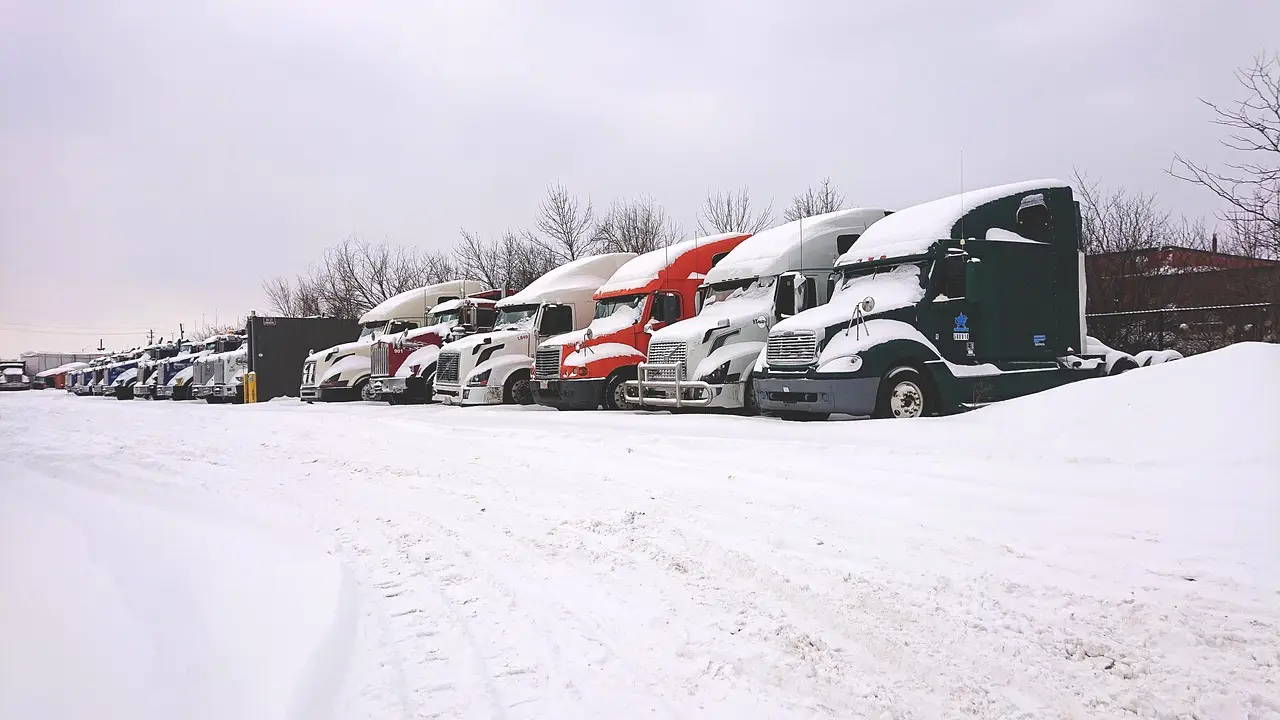
Eight electric trucks measuring 25.25 metres have hauled tractor cabs between Fendt's plants in Asbach-Bäumenheim and Marktoberdorf since September. Fendt, the AGCO-owned tractor maker founded in 1930 in Marktoberdorf, expects the shuttle to save roughly 280,000 litres of diesel and about 740 tonnes of CO2 per year.
The claim comes from the company itself. Independent verification against telematics data has not been published. Two months of operation is a thin evidence base for annual projections.
The vehicles are Mercedes-Benz eActros 600 units in Type 2 configuration — articulated vehicles with centre-axle trailers up to 25.25 metres. Ansorge Logistik, the Allgäu haulier operating them, likely runs Germany's largest fleet of electric long-HGVs with the eight units.
How much freight fits on a 25-metre truck?
Each combination carries seven axles, a 13.60-metre semi-trailer and a 7.70-metre additional trailer. That extra length matters. Seven to eight tractor cabs fit per vehicle, against four to five on a conventional semi-trailer. Gross weight stays capped at 40 tonnes.
The route covers roughly 120 kilometres each way between the two Bavarian sites. A round trip totals about 240 kilometres. Charging happens at Ansorge's depot in Biessenhofen and takes approximately 45 minutes, using electricity partly from the haulier's own photovoltaic arrays and battery storage.
Ansorge Managing Director Benedikt Roßmann defends the economics against the high purchase cost. "Especially for predictable factory traffic, it is clear that electromobility in heavy road freight transport already works very well today," he said. He cites toll exemptions, self-produced green electricity and up to 30 per cent fewer trips. "Every kilometre we don't have to drive due to the higher transport capacity is ecologically still the best kilometre."
The consumption penalty is small, according to Roßmann. The electric long-HGVs burn only a few percentage points more than a standard electric truck, with sufficient range reserve even in cold weather. The eActros 600 offers more than 500 kilometres of range, he said.
Why aren't more fleets doing this?
Regulation, not technology, is the bottleneck. Roßmann said the Type 2 trucks may only run on routes within the approved "positive network", and payload is limited to 18 tonnes. Applications for new routes often take one to two years. Ansorge is examining further routes and eyeing regular industrial and automotive shuttles. "We can well imagine rolling out the concept to more customers," he said.
Germany has permitted long-HGVs up to 25.25 metres since 2017, after a five-year trial starting in 2012. Weight does not rise with length: 40 tonnes in regular traffic, 42 tonnes for electric trucks, 44 tonnes in combined transport. These are not Scandinavia's 60-tonne gigaliners. Type 1 combinations, up to 17.88 metres, run freely in approved federal states except Berlin, with authorisation currently set to expire 31 December 2026.
What does the Elflein deployment add?
Bamberg-based Elflein now runs four electric long-HGVs of its own. Since 1 September, a fully electric Designwerk vehicle from Switzerland has operated Gera-to-Zwickau runs of 39 kilometres one way, up to four round trips daily in two shifts, hauling for an automotive plant. Elflein calculates roughly 226 kilograms of direct CO2 saved per operating day.
Three MAN eTGX trucks have served another automotive supplier for six to nine months, covering the 360-kilometre route from Schierling near Regensburg to a Leipzig car plant three times daily. E-mobility manager Marco Schubert reported consumption of 1.2 to 1.3 kWh per kilometre, versus 1.0 to 1.1 for a standard electric tractor-trailer. "The additional consumption really remains within limits," he said.
The Leipzig runs leave little slack. On-site buffer stock lasts about six hours, Schubert said. Elflein runs 19 electric trucks and will add two or three more by year-end.
DHL runs a parallel case in Sweden. WLX WeLink Express operates a 25.25-metre, 36-tonne eActros 600 combination five days a week on routes between Malmö, Jönköping and Emmaboda, exceeding 1,000 kilometres daily across two shifts, Daimler Truck said.
Watch whether Germany's Type 1 authorisation is extended past 31 December 2026, and whether Ansorge's promised route applications clear the one-to-two-year approval queue.
via fendt.com (Original)
More from Amara Osei
Show full bio
Market editor covering technology and product news in Automotive manufacturing and vehicle production at Autoplant Brief.
283 articles
Also circulated
- Tesla Semi Production Starts in Nevada: 50,000-Truck Capacity, No Volume Commitment
- Mercedes-Benz Trucks fits eActros 600 Lowliner under 4-metre EU cap
- EU to steer CEF and AFIF funds toward truck and bus charging
- European Electric Truck Charging Could Hit 200 TWh by 2045
- BEML Launches India's First 60-Ton Indigenous Electric Dump Truck