ECO-9703 · REV R · effective September 29, 2026
Auto Industry PolicyRELEASEDEngineering notice
EU to steer CEF and AFIF funds toward truck and bus charging
The EU Commission plans to focus CEF and AFIF funding on charging for e-trucks and buses, citing high investment risk and rising demand on freight routes.
Scope of change
- EU Commission wants to focus CEF and AFIF funding on charging infrastructure for e-trucks and buses
- Rationale: high investment risk, cautious banks, and rapidly growing charging demand on key freight routes
- Future funding rounds will target heavy-duty charging rather than passenger-car infrastructure
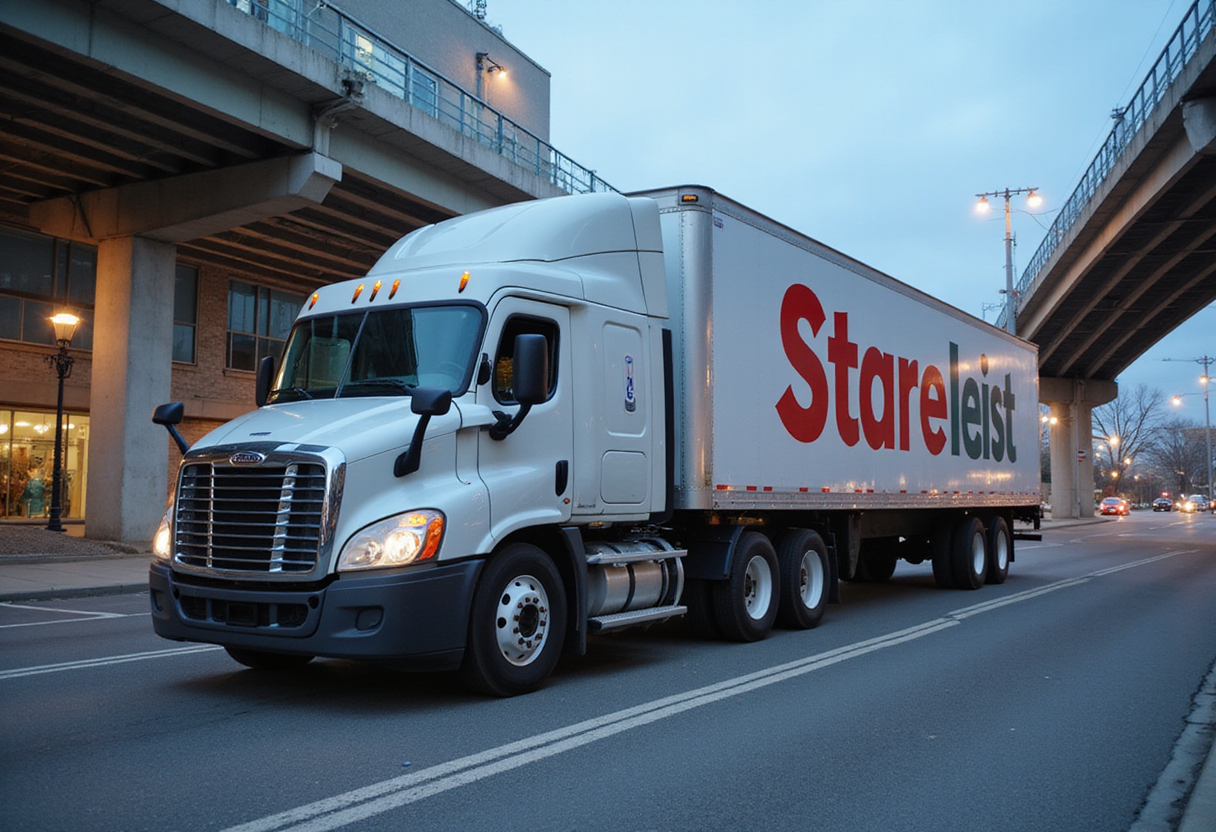
The European Commission plans to focus two of its flagship funding instruments — the Connecting Europe Facility (CEF) and the Alternative Fuels Infrastructure Facility (AFIF) — on charging infrastructure for electric trucks and buses in future funding rounds.
The policy shift addresses a structural problem in the market: building high-power charging for heavy-duty vehicles carries high investment risk, and banks remain cautious about financing it. At the same time, charging demand along key freight routes is growing rapidly.
That combination — high capital costs, uncertain near-term utilisation and reluctant lenders — has left a gap between what hauliers need to electrify fleets and what charge point operators can finance on commercial terms. EU funding is intended to close that gap by de-risking early deployments along the busiest corridors.
For truck manufacturers and fleet operators, the direction of travel matters. Scania, Daimler Truck, Volvo and their peers have bet on battery-electric heavy-duty vehicles as the core of their decarbonisation programmes, but uptake depends on reliable high-power charging along the trans-European transport network. Targeting CEF and AFIF money at trucks and buses signals that Brussels sees heavy-duty charging, rather than passenger-car infrastructure, as the current bottleneck.
What to watch: the next AFIF call for proposals will show how much money the Commission allocates to heavy-duty charging and what co-funding rates it accepts. Also watch whether member states adjust their own national frameworks — and whether the de-risked economics pull cautious lenders back into project financing.
via transport.ec.europa.eu (Original)
More from Grace Kim
Show full bio
Staff writer covering industry trends and analytics at Autoplant Brief.
82 articles
Also circulated
- European Electric Truck Charging Could Hit 200 TWh by 2045
- EU Industry Accelerator Act Looms Over Europe's EV Plants
- Forbes Analysis: Tariffs, Margins, EV Slowdown Fuel Auto Consolidation
- Ford's European Van Gamble: Chinese-Built Transit City Undercuts Its Own Turkish Line
- EU Presses UK to Tariff Chinese EVs or Face 'Made in Europe' Barriers