ECO-9070 · REV K · effective September 29, 2026
Auto Industry PolicyAPPROVEDEngineering notice
ACEA Study Questions EU Battery Supply Chain Readiness
ACEA has presented a study questioning whether Europe's battery supply chain can meet the demands of the draft Industrial Accelerator Act now under debate in Brussels.
Scope of change
- The EU is debating a draft Industrial Accelerator Act (IAA) to boost production and competitiveness.
- ACEA presented a study examining whether the European battery supply chain can meet the IAA's requirements.
- The study's release references Powerco's Salzgitter battery production site in Germany.
The European Union is debating a draft of the Industrial Accelerator Act (IAA), a legislative package intended to boost production and competitiveness within the bloc. Against that backdrop, the European Automobile Manufacturers' Association (ACEA) has presented a study asking a blunt question: can the European battery supply chain actually deliver what the law would demand?
The timing matters. Brussels wants the IAA to accelerate industrial output across the Union, and electrified vehicle production sits at the centre of that effort. Batteries are the binding constraint. An OEM can retool a final assembly line faster than a supplier can bring a gigafactory from announcement to validated series production — and that asymmetry is exactly where the ACEA study directs attention.
The association's analysis examines whether the European battery supply chain — cell makers, component suppliers and material processors taken together — would be capable of meeting the requirements the legislative package implies. ACEA's decision to commission the study signals that the industry considers the question open rather than settled. Where legislators assume capacity will follow demand, manufacturers routinely counter that capacity follows confirmed order books, stable regulation and bankable business cases.
For plant planners and supplier-tier strategists, the study lands in a period already marked by caution on European cell projects. Several announced programmes across Germany and neighbouring markets have slipped or been re-scoped as OEM electrification volumes came in below earlier forecasts. The ACEA analysis effectively asks policymakers to reconcile the IAA's production ambitions with the investment reality on the ground — without naming which specific plants or programmes fall short, the study frames the gap as structural rather than incidental.
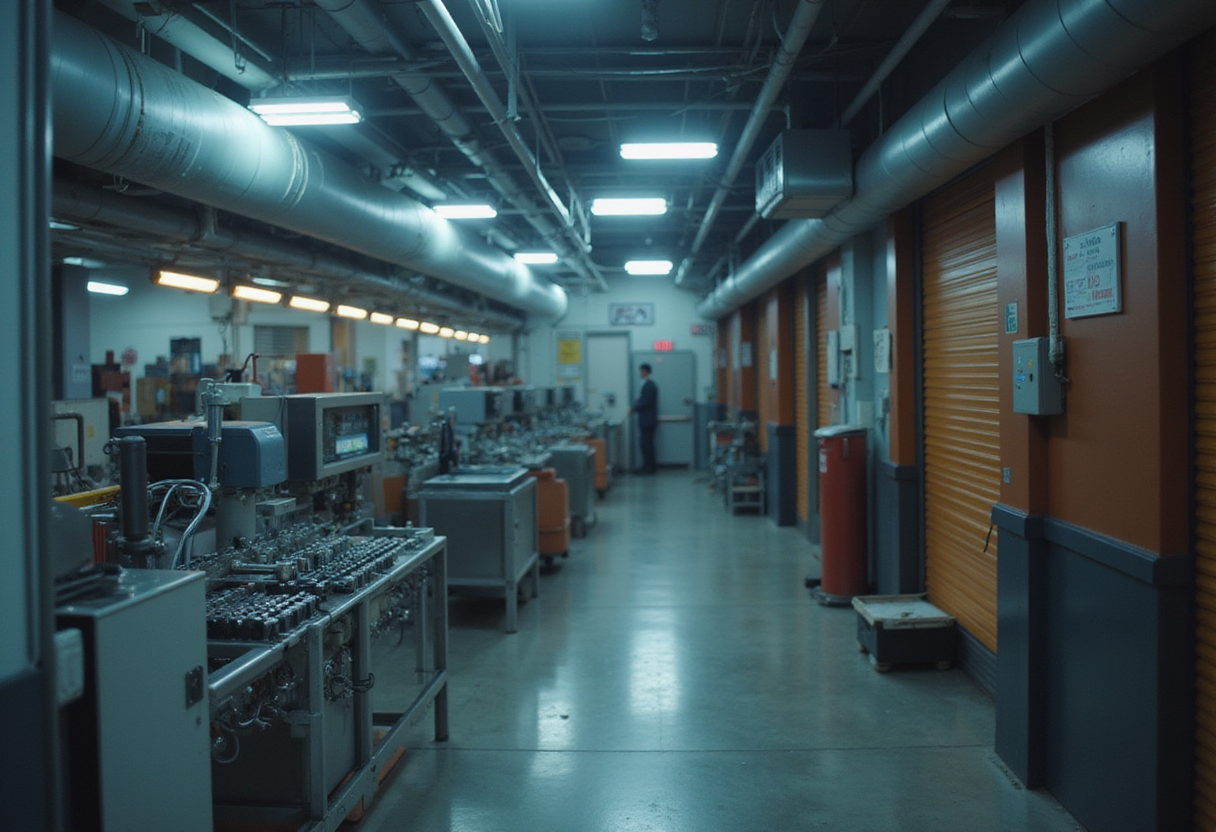
The image accompanying the study's release underscores the point: Powerco's Salzgitter battery production site in Germany. Volkswagen's battery subsidiary operates one of the reference European cell plants there, and Salzgitter has become shorthand in the trade debate for both the promise of localized cell manufacturing and the slow ramp that has characterized it. ACEA did not publish a single headline capacity figure in the announcement, but the framing makes clear the association sees a mismatch between legislative ambition and what the installed, validated supply base can realistically feed into vehicle programs.
The distinction between announced intentions and confirmed capacity is the crux. Trade analysis of battery supply has long separated nameplate gigafactory figures from qualified, contracted output, and the two numbers rarely converge on the timeline OEM sourcing plans require. The ACEA study applies that lens to the IAA specifically — testing the draft law's assumptions against the supply chain as it exists, not as project press releases describe it.
What to watch next: the IAA's passage through the EU legislative process, and whether the final text incorporates binding support mechanisms for battery manufacturing rather than headline targets alone. Watch also for OEM and cell-maker responses to the ACEA findings, particularly from Powerco at Salzgitter and other Tier-1 cell suppliers with European footprints. The decisive milestone will be whether subsequent capacity data — actual cell output versus announced nameplate — validates the study's caution or narrows the gap.
via electrive (Source)
More from Amara Osei
Also circulated
- EU Industry Accelerator Act Looms Over Europe's EV Plants
- Bruegel: Europe's Battery and EV Manufacturing Base Remains Fundamentally Sound
- CommercialSearch Report: EV Production Growth Loses Steam
- UK car output steadies; SMMT warns EV investment at risk
- Supreme Court Tariff Ruling Puts Auto Trade Costs Back in Play