ECO-7643 · REV B · effective September 29, 2026
Auto Industry PolicyRELEASEDEngineering notice
Looser Fuel Rules Take Pressure Off US Automakers on EVs
The Trump administration's lowered fuel consumption standards ease compliance pressure on automakers, slowing the US electric vehicle ramp-up and boosting ICE models.
Scope of change
- The US government under President Donald Trump has significantly lowered fuel consumption standards
- The revised rules reduce pressure on automakers to sell more electric cars
- The policy is noticeably hindering the ramp-up of electromobility in the USA
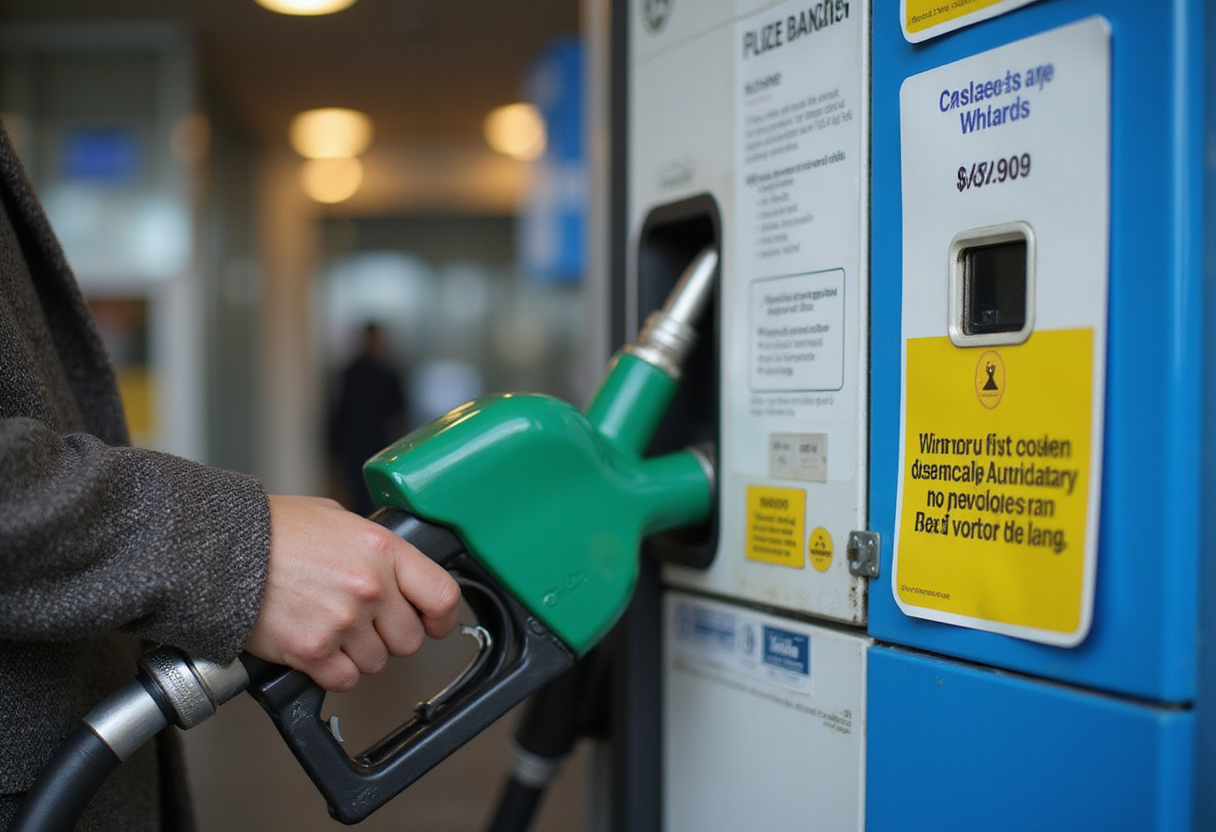
The US government under President Donald Trump has significantly lowered fuel consumption standards, and the effect on electrification is already visible: the regulatory push that prodded automakers to sell more electric cars has weakened.
The revised rules promote the market for internal combustion engine vehicles. They also reduce pressure on automakers to sell more electric cars, which noticeably hinders the ramp-up of electromobility in the USA.
For plant planners and supplier program managers, the policy shift matters at the line level. Corporate average fuel economy targets feed directly into product decisions — which platforms get electrified, which powertrains keep volume, and where tooling investment flows. Looser consumption standards mean OEMs can meet compliance with more ICE and hybrid output and fewer battery-electric models.
The signal from Washington aligns with what the White House has signaled since the change of administration: the regulatory environment favors combustion. A recent model-year illustration is the Dodge Charger Scat Pack for MY 2027, a sixpack-powered performance variant with a conventional exhaust — a product line that carries more program weight when fuel economy rules loosen.
For battery suppliers and EV-component makers, the policy direction complicates volume planning in the North American market. Demand for EVs was already growing more slowly than earlier forecasts; softer consumption standards now remove one of the main compliance-driven reasons for automakers to discount, market, and push electric models into dealer networks.
What to watch next: any follow-on rulemaking on emissions and fuel economy from Washington, further adjustments to EV-related incentives and purchase subsidies, and whether automakers respond with revised electrification timelines or shifts in US plant allocations between ICE, hybrid, and BEV production.
via electrive.net (Original)
More from Daniel Okafor
Show full bio
Senior reporter covering marketplaces and e-commerce at Autoplant Brief.
111 articles