ECO-8905 · REV T · effective November 3, 2026
EV Manufacturing TransitionRELEASEDEngineering notice
Elli drops hardware, bets VW charging future on digital services
VW's Elli ends wallbox and Flexpole production, cuts some of its ~400 jobs, and pivots to digital services, with a November V2G launch and up to €720 in annual customer credits.
Scope of change
- Elli employs just under 400 staff; job cut talks with the works council are underway
- Hardware exit including Flexpole and AC wallbox production completes by end of 2027
- Porsche adopts Elli's MSP solution from 2027; Sixt integrated it in early 2024
- V2G launch with The Mobility House in November, using EV-Tech DC wallboxes; up to €720/year customer credit
- Palazzo expects 2025 revenue in the high three-digit million range
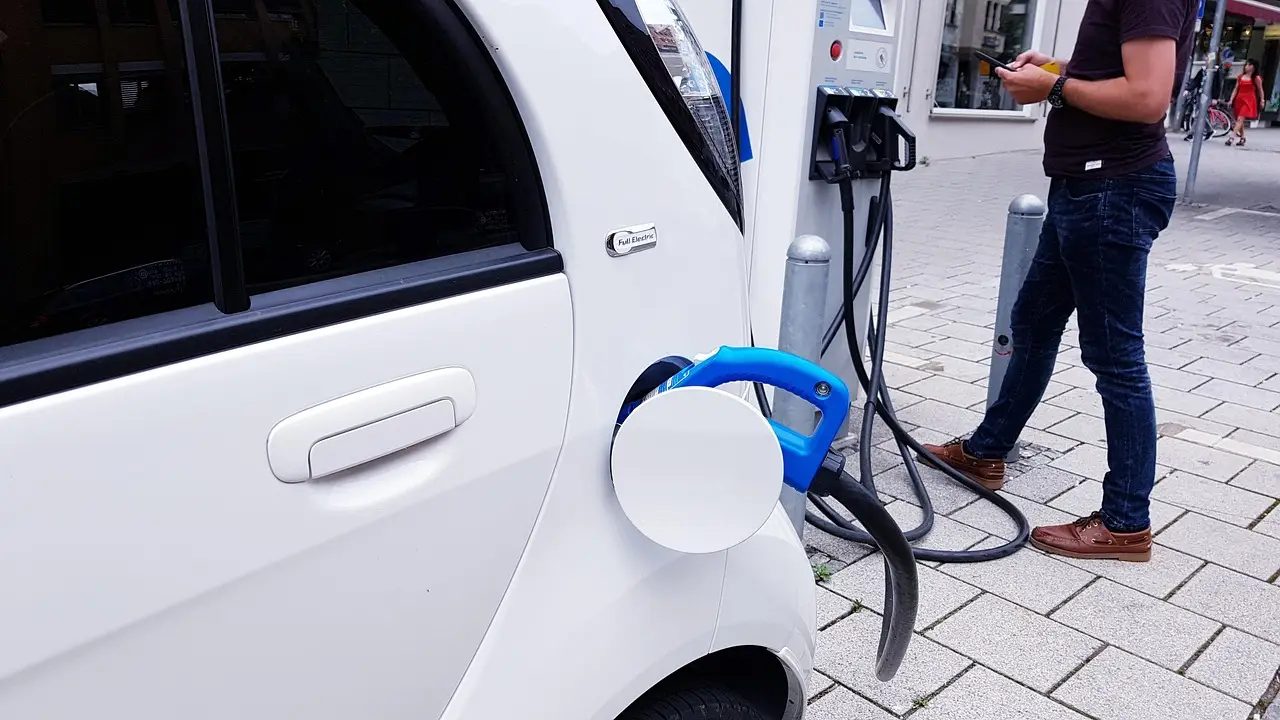
Volkswagen's charging subsidiary Elli will stop producing AC wallboxes and battery-buffered Flexpole fast-charging stations and cut jobs among its roughly 400 employees as it exits hardware to focus on digital services, CEO Giovanni Palazzo told electrive.
"We will significantly scale back our hardware business in the future," Palazzo said. The Wolfsburg group's charging arm will concentrate on two pillars, Mobility and Energy, built on recurring, scalable revenue from charging cards, fleet management, and energy services. Hardware, Palazzo explained, served as a means to an end: Elli needed a strong digital revenue base before it could dispense with significant hardware activities.
The driver is economics. Digital services scale to new customers through standardised platforms; hardware, installation, and infrastructure projects tie up personnel and capital. The crisis at parent Volkswagen likely played a role too. Palazzo expects further consolidation among charging providers despite continued EV growth.
What does the change mean for existing customers?
Nothing immediate. "There will be no impact whatsoever on the use or application of the devices already sold. Customer service and maintenance will also remain completely unchanged," Palazzo assured. Elli will sell off existing wallbox stock and accept no further orders. Palazzo stressed the exit is not about weak sales or technical faults — unidirectional wallboxes simply no longer fit the scalability targets.
The retreat extends to fleet infrastructure. Specialised partners will in future handle planning, construction, and maintenance of physical charging sites, while Elli keeps the digitally scalable links: connecting charging points to backend systems plus charging, energy, and billing services. Existing fleet infrastructure activities are under internal review, with handover to external partners one option. Implementation runs gradually through the end of 2027.
Where does growth come from now?
In Mobility, Elli is expanding its Mobility Service Provider business (MSP — enabling roaming access to third-party charging networks plus billing). The LogPay fuel-card integration lets Elli serve mixed fleets of combustion and electric vehicles. "We can thus build a bridge between combustion-engine fuel and electric charging. That's exactly what we need in this market," Palazzo said. Margins in commercial charging tend to run higher than in the private segment, and Porsche is set to adopt Elli's in-house MSP solution from 2027, following Sixt, which integrated it in early 2024.
In Energy, the Naturstrom tariff remains the anchor, to be supplemented by dynamic tariffs and bidirectional charging. The V2G (Vehicle-to-Grid) market launch with The Mobility House, announced in June, is slated for November. After 18 months of testing and a delayed launch over reliability concerns, Elli chose a bidirectional DC wallbox from Chinese manufacturer EV-Tech rather than in-house hardware.
"We believe that V2G could be a real game-changer. For the first time in the history of the automotive industry, we can enable customers to generate their own income," Palazzo said. Diligent V2G use can earn customers up to €720 per year credited against their electricity bill. The economics still hinge on regulation: Elli signed a September open letter to the Bundesnetzagentur demanding simpler bidirectional rules, and tensions eased only after last-minute changes to the MiSpeL regulation. V2H (Vehicle-to-Home) supply stays on the roadmap, though Palazzo flagged the technical complexity of integrating components.
What to watch next
Palazzo expects revenue in the high three-digit million range this year and insists Volkswagen remains committed to charging and energy. Elli is nonetheless seeking external investors or partners, mirroring MOIA and Powerco; several companies have expressed interest, though nothing is finalised. Works council negotiations over job cuts in hardware, infrastructure, and central administration roles are already underway, with no headcount yet named.
via electrive.net (Original)
More from Marcus Bennett
Show full bio
News editor covering regulation, policy and their impact on Automotive manufacturing and vehicle production at Autoplant Brief.
256 articles
Also circulated
- Volkswagen battery subsidiary delays EV plant opening
- VW Weighs Xpeng-Built Architecture for 75% of Next-Gen European Models
- VW to Dismantle 4,100 Cars a Year at Zwickau EV Plant
- Chery targets more than 20,000 Volt-Dragon stations by 2029
- Hyundai, Kia and LGES test second-life EV batteries as charging buffers