ECO-5697 · REV F · effective November 2, 2026
Vehicle Plants & ProductionRELEASEDEngineering notice
VW to Dismantle 4,100 Cars a Year at Zwickau EV Plant
Volkswagen will dismantle 4,100 vehicles a year at its Zwickau EV plant from 2027, investing up to €90 million as EV profitability squeezes its flagship electric factory in Saxony.
Scope of change
- VW will dismantle 4,100 vehicles a year at Zwickau from 2027, on two shifts with 100 retrained employees
- Up to €90 million invested in the circular economy business, plus up to €10.7 million from Saxony's state government
- Zwickau received €1.2 billion from 2018 to become VW's dedicated EV plant and builds six VW, Audi and Cupra models
- Genuine parts sales from dismantled cars began in July; annual capacity target is 15,000 vehicles by 2030
- Zwickau has no vehicle production plan confirmed beyond 2031
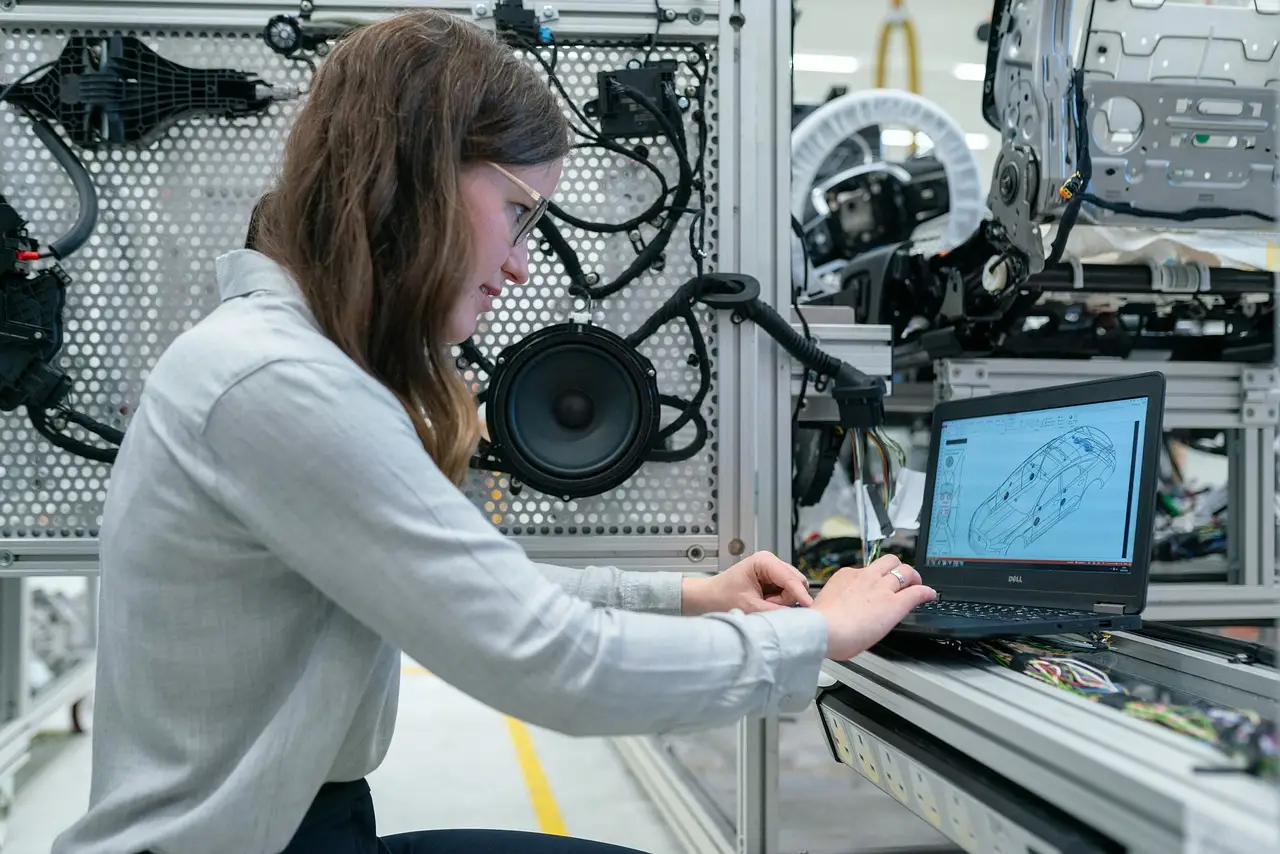
Volkswagen will dismantle 4,100 vehicles a year at its Zwickau EV plant from 2027, running the line on two shifts with 100 retrained employees, InsideEVs reported on Nov. 1. It's an odd look: the factory that Germany's biggest carmaker turned into its dedicated EV flagship will now also take cars apart.
What is VW actually building?
An eight-stage vehicle dismantling facility, constructed and permitted in nine months — three months ahead of the original schedule. The line starts with pre-production test vehicles before expanding to end-of-life cars. Put the volume in perspective: 4,100 vehicles a year is a rounding error against Zwickau's output ambitions, and VW knows it. The target grows to 15,000 units annually by 2030.
Zwickau itself is the context for all of this. VW poured €1.2 billion into converting the Saxony site into a dedicated EV factory starting in 2018, and it currently builds six electric models across the Volkswagen, Audi and Cupra brands. That's roughly one flagship plant's worth of bet on electrification — now hedged with a scrap line.
The takeaway: this is revenue diversification bolted onto an EV plant under pressure, not a standalone recycling venture.
What happens to the parts?
VW has been selling recovered genuine parts since July. The catalogue is what you'd expect from a dismantling operation:
- Doors and bumpers
- Electric motors
- Transmission-related components
The parts flow to dealers and repair shops, with the stated aim of cutting repair costs and extending vehicle service life. Separately, VW plans to recover raw materials such as plastics and feed them back into parts for new cars. What it hasn't disclosed: parts prices or warranty terms. For a trade that lives on parts economics, that's the hole in the announcement.
The takeaway: the sales channel exists and has been live since summer, but the commercial terms remain a black box.
How much money is on the table?
VW will invest up to €90 million in its circular economy business and receive up to €10.7 million in support from the Saxony state government. Those are different orders of magnitude, and the state money roughly covers a ninth of the commitment. Scaled to the 2030 capacity target of 15,000 vehicles, the investment works out at €6,000 per unit of annual dismantling capacity — a number that only makes sense if parts resale margins are healthy.
There's also a jobs angle. If the business scales as hoped, expectations within the company point to it supporting up to 1,000 jobs long term. Zwickau has 100 retrained staff on the line now.
Thomas Schaefer, CEO of the Volkswagen brand, framed the move as more than scrappage: "Vehicle dismantling and recycling are not simply scrappage handling but the creation of new value."
The takeaway: €90 million is real money, but it buys a business that has yet to prove it can turn a profit.
Does the math work?
That's the open question, and VW hasn't answered it. The profitability of vehicle dismantling at this scale is unproven — VW itself has not finalised a production plan for Zwickau beyond 2031, which tells you how firm the ground is. The company is juggling worsening EV margins and restructuring pressure, and it's asking parts resale and material recovery to grow into a business that can sustain a plant and its workforce.
Confirmed so far: the line, the 2027 start, the 4,100-unit run rate, the 100 jobs, the July parts-sales launch. Announced intentions: the 15,000-unit capacity by 2030, the 1,000-job ceiling, the raw-material loops. Treat the second list accordingly.
Watch for three things: the first disclosure of parts pricing and warranty terms, whether the dismantling volumes hit 4,100 on schedule in 2027, and any decision on Zwickau's vehicle production beyond 2031. That last one is the verdict on whether this is a business or a bridge.
via Google News: EV manufacturing (Source)
More from Daniel Okafor
Show full bio
Senior reporter covering regulation, policy and their impact on Automotive manufacturing and vehicle production at Autoplant Brief.
294 articles