ECO-7990 · REV E · effective October 30, 2026
EV Manufacturing TransitionAPPROVEDEngineering notice
VW Weighs Xpeng-Built Architecture for 75% of Next-Gen European Models
Volkswagen's Schaefer will propose the Xpeng co-developed CEA architecture for 75% of next-gen VW, Skoda and Cupra models, targeting €4-5 billion in savings.
Scope of change
- Proposal covers about 75% of next-generation Volkswagen, Skoda and Cupra models; Schaefer presents to management October 27.
- Estimated savings of €4-5 billion if the Xpeng co-developed architecture replaces separate Western development.
- Rivian partnership involves a $5.8 billion investment and could see its role diminished.
- Volkswagen invested $700 million in Xpeng in July 2023; cooperation expanded to combustion and plug-in hybrid platforms in August 2025.
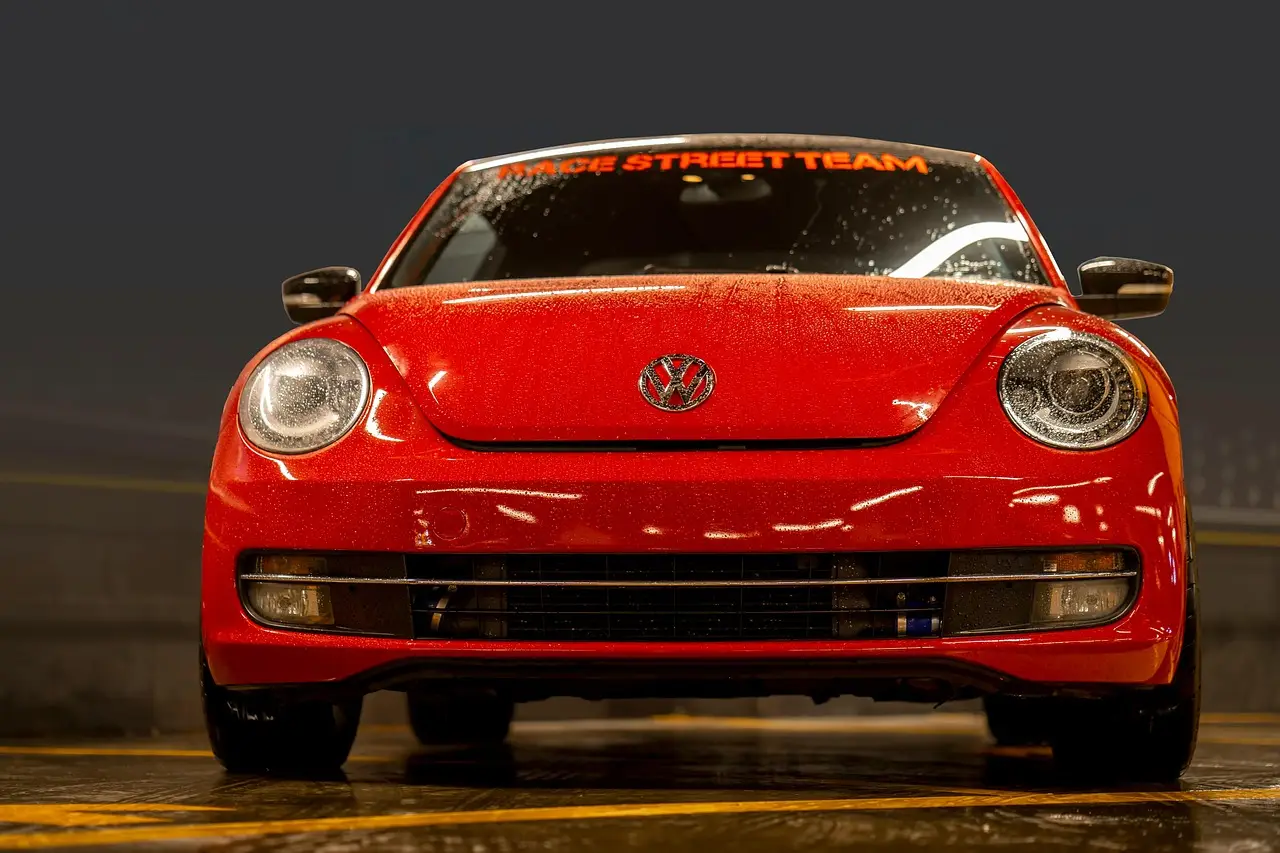
Volkswagen is weighing a plan that would put the Xpeng co-developed electrical/electronic architecture under roughly 75% of the next-generation models from Volkswagen, Skoda and Cupra in Europe — a shift its backers estimate could save the group €4 billion to €5 billion.
Germany's Manager Magazin reported the proposal on Monday, citing people familiar with the matter. Volkswagen brand chief Thomas Schaefer is expected to present it to group management on October 27.
The architecture in question is the China Electronic Architecture (CEA), an E/E architecture (the vehicle's combined electronics and software backbone) developed with Chinese partner Xpeng for the Chinese market. Extending it to Europe would break Volkswagen's current strategy of building separate software stacks for China and the West.
What does this change for the Rivian partnership?
Potentially a great deal. Volkswagen currently runs two technology tracks: the Xpeng architecture in China, and a separate effort with US EV maker Rivian for Western markets. The Rivian partnership carries a $5.8 billion investment and sits at the center of Group CEO Oliver Blume's software strategy.
Manager Magazin reports that supporters of the Rivian approach worry a substantial cut in the Volkswagen brand's use of Rivian technology would weaken cost-sharing within that partnership. In effect, one of the group's largest software bets could see its role diminished before it fully scales.
Where the savings would come from
Cost drives the proposal. The segments in play — mainstream electric models such as the ID. Golf, ID. Passat and Skoda Enyaq — are acutely sensitive to development costs and pricing competitiveness.
Supporters of the plan argue the Chinese-developed software and E/E architecture is already in production use and can also support vehicles built on Volkswagen's existing European platforms, according to the magazine.
Not everyone inside Wolfsburg agrees. Some managers question whether adapting the architecture to European regulations will be as simple or as cheap as advocates claim. Further development of the system carries technical risks, the report notes.
A software problem Volkswagen has fought for years
Software has been a persistent weak point in Volkswagen's transformation. The group's sprawling lineup — from mainstream Volkswagen to premium Audi and Porsche — has made technology scaling difficult, a problem that also plagued its in-house software unit Cariad.
The Xpeng partnership dates to July 2023, when Volkswagen announced a $700 million investment in the Chinese automaker and plans to jointly develop two Volkswagen-branded battery-electric models for China. In August 2025, the companies widened the cooperation, extending the jointly developed architecture beyond battery-electric platforms to Volkswagen's internal-combustion and plug-in-hybrid platforms in China.
Xpeng said at the time that deploying the architecture across platforms and powertrain types would accelerate software iteration and over-the-air (OTA, remote vehicle software update) delivery, shorten development cycles and generate greater economies of scale.
What to watch next
The October 27 management review is the immediate decision point. Watch whether the group approves the CEA rollout for Europe in full, limits it to specific segments, or keeps the Rivian track as the primary Western software path. The scope assigned to the ID. Golf program will be the clearest early signal of how far China-developed technology has penetrated Volkswagen's core European lineup.
via manager-magazin.de (Original)
More from Marcus Bennett
Show full bio
News editor covering regulation, policy and their impact on Automotive manufacturing and vehicle production at Autoplant Brief.
256 articles
Also circulated
- Volkswagen weighs Chinese software for European volume EVs
- VW opens pre-sales for ID. UNYX 09 at 199,900 yuan in China
- Xpeng Confirms European EV Production Push; Capacity, Site, Timing Still Pending
- XPeng in Talks With Overseas Automakers on Production Expansion
- Volkswagen picks NXP microcontrollers for 2027 zonal SDV push