ECO-9227 · REV T · effective October 30, 2026
EV Manufacturing TransitionRELEASEDEngineering notice
Amazon to Put 3,000 Tata Electric Trucks on Indian Roads
Amazon will deploy 3,000 Tata electric trucks in India; the first 20 Ultra E.7 units arrived Tuesday, with NH48 corridor operations and Yahhvi charging next.
Scope of change
- Amazon to deploy 3,000 electric trucks supplied by Tata Motors in India; first 20 delivered Tuesday
- First batch is entirely Tata Ultra E.7: 7.5 t GVW, 3.1 t payload, 96 kWh LFP battery, up to 130 km range
- Next phase targets NH48, India's ~2,800 km longest freight corridor from Delhi to Chennai
- Amazon already runs more than 15,000 EVs across over 500 Indian cities
- Carrier partners, not Amazon, will buy and operate the trucks under an asset-light model
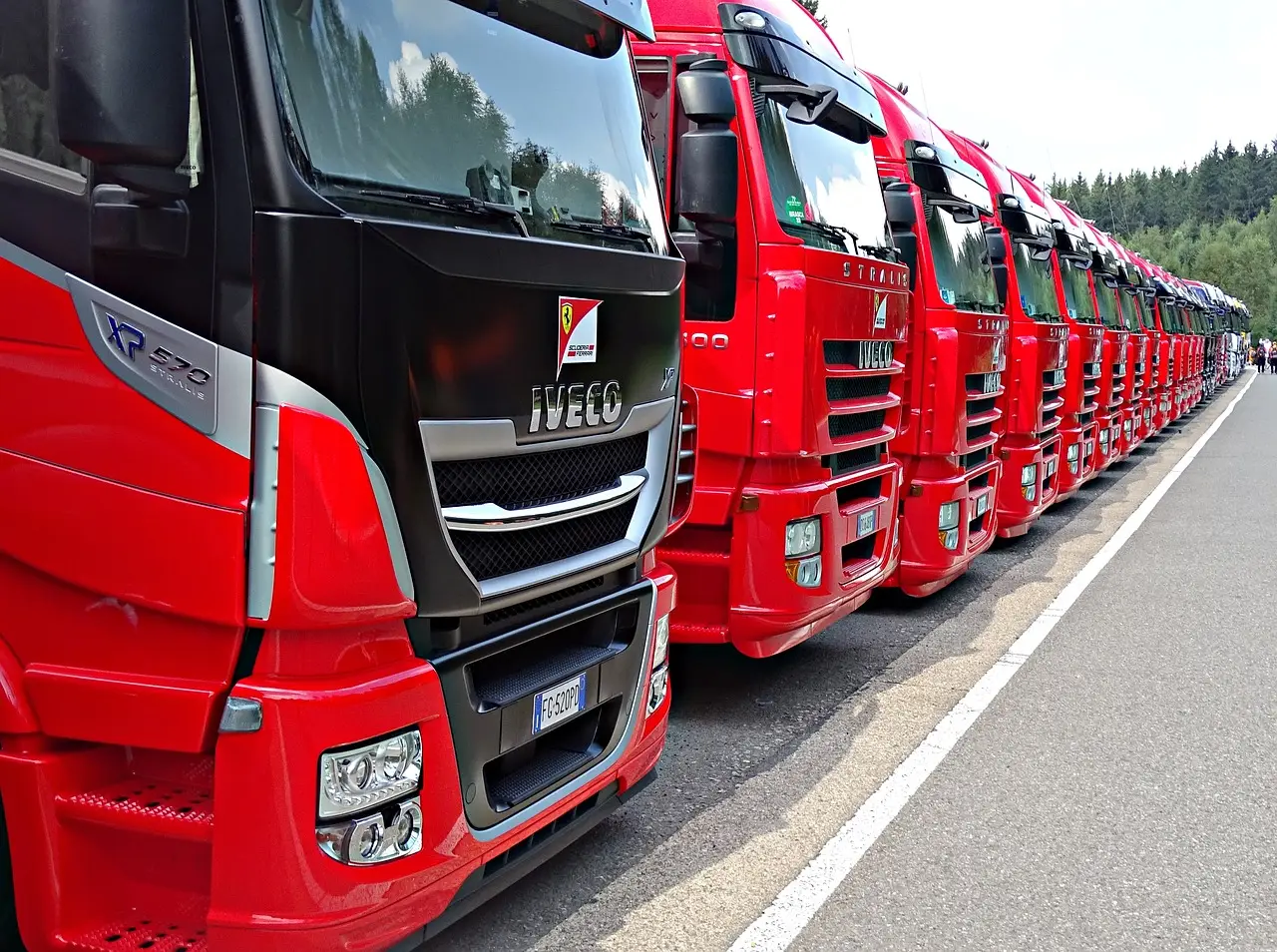
Amazon has committed to deploying 3,000 electric trucks in India, with Tata Motors supplying the vehicles and the first 20 units already delivered on Tuesday. India's Minister of Heavy Industries and Steel, H.D. Kumaraswamy, flagged off the initial fleet — a signal of the deployment's weight in the country's push for electric truck adoption.
The structure of the deal matters as much as its size. Amazon's carrier partners will buy the 3,000 trucks from Tata Motors and operate them on Amazon's behalf. This asset-light arrangement (the retailer owns no trucks itself) lets Amazon electrify its transport fleet without major capital outlay while limiting its risk exposure.
Which trucks are in the first batch?
The first units are all Tata Ultra E.7 light-duty electric trucks. Key specifications:
- GVW rating (gross vehicle weight, the maximum loaded mass) of 7.5 tonnes
- 14-foot load deck
- Payload capacity of 3.1 tonnes with a container fitted
- 240 kW permanent magnet synchronous motor
- 96 kWh LFP (lithium iron phosphate) battery pack
- Range of up to 130 kilometres
The 130 km range defines the truck's role: intra-city and short shuttle work between facilities, not long-haul freight.
What does this change for Amazon's Indian network?
Amazon says it will deploy the trucks in Delhi during this year's festive season, when e-commerce freight volumes typically peak. The company already operates more than 15,000 EVs across over 500 cities in India, but largely in last-mile delivery. The Tata program extends electrification beyond last-mile mobility: the light- and medium-duty trucks will move shipments between Amazon facilities.
The next phase targets National Highway 48, the roughly 2,800-kilometre corridor running from Delhi in the north to Chennai in Tamil Nadu in the south. It is India's longest freight corridor, traversing seven states and connecting six of the country's largest e-commerce regions. To support that phase, Amazon is building charging infrastructure with Yahhvi, a Delhi-based company specialising in EV charging for commercial vehicles.
Abhinav Singh, Amazon's vice president of operations for APAC, the Middle East, Africa, and Turkey, said: "We are now setting a bold vision to scale electric trucking, addressing one of the toughest challenges in decarbonising transportation. Our collaboration with Tata Motors marks an important step towards realising this vision."
What to watch next
Three markers will show whether the 3,000-unit figure is a firm capacity plan or an aspirational target: the pace of deliveries after the festive-season Delhi deployment, the build-out of Yahhvi charging points along NH48, and whether medium-duty units join the order mix for inter-facility routes. The gap between the 20 trucks delivered so far and the 3,000 committed leaves ample room to track execution against announcement.
via aboutamazon.in (Original)
More from Marcus Bennett
Show full bio
News editor covering regulation, policy and their impact on Automotive manufacturing and vehicle production at Autoplant Brief.
256 articles
Also circulated
- Jindal Stainless deploys 10 electric trucks on 350-km routes
- Tsuyo Manufacturing plans ₹250 crore EV powertrain plant in Karnataka
- Tesla Semi Production Starts in Nevada: 50,000-Truck Capacity, No Volume Commitment
- Valeo adds e-powertrain line at Pune site
- Uno Minda Commits ₹550 Crore to Second EV Powertrain Plant