ECO-8159 · REV P · effective October 9, 2026
EV Manufacturing TransitionRELEASEDEngineering notice
Tsuyo Manufacturing plans ₹250 crore EV powertrain plant in Karnataka
Tsuyo Manufacturing will invest ₹250 crore (approximately $30 million) to set up an EV powertrain facility in Karnataka, per ET Manufacturing, though capacity, timeline, and customer details remain unspecified.
Scope of change
- ₹250 crore (~$30 million) investment commitment reported by ET Manufacturing
- Project scope: dedicated EV powertrain production facility
- Location: Karnataka, India — district and site not disclosed
- No commissioning date, capacity figure, or employment number provided
- OEM customers and vehicle segment focus unspecified in the report
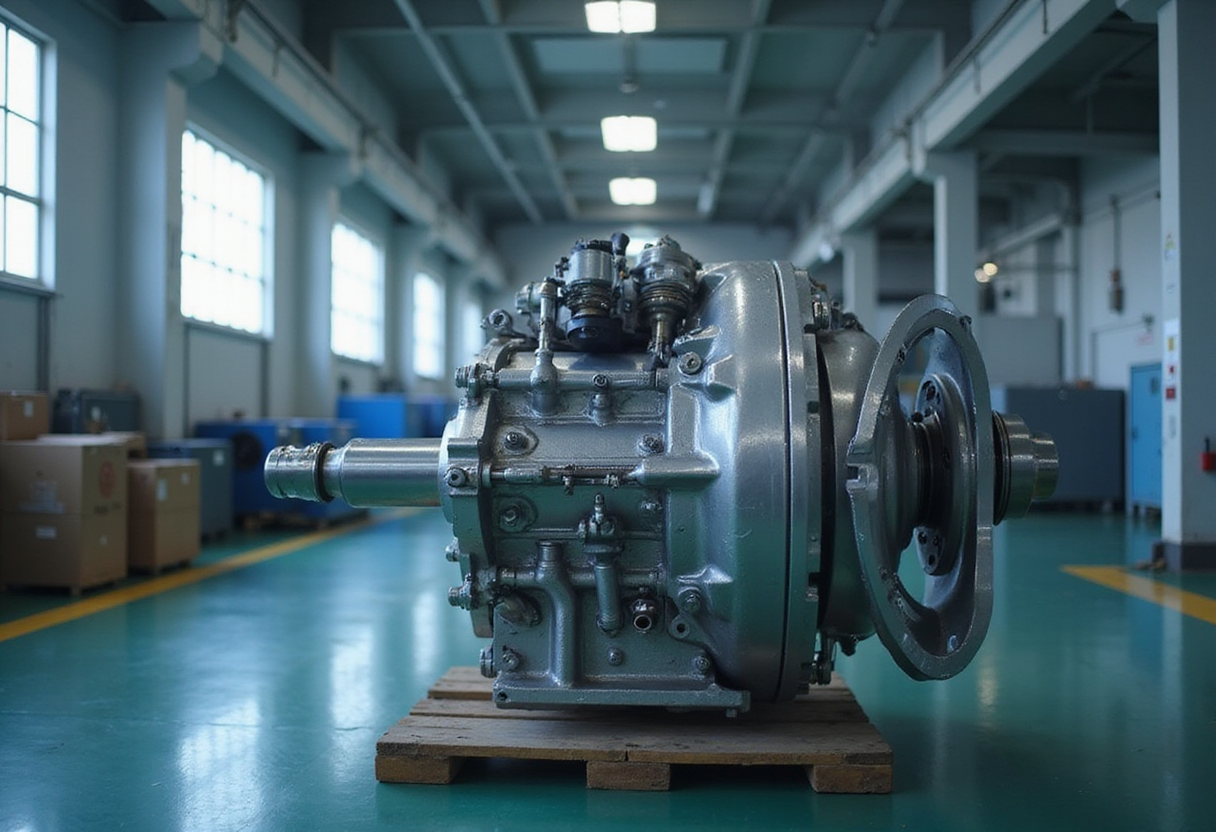
Tsuyo Manufacturing will invest ₹250 crore (approximately $30 million) to set up an electric vehicle powertrain production facility in Karnataka, according to a report from ET Manufacturing.
ET Manufacturing's report did not name the plant's district within Karnataka, its annual production capacity, the construction start date, or the commissioning timeline.
What does the project cover?
EV powertrain units typically integrate electric motors, motor controllers, gear assemblies, and power electronics into a single drivetrain package. Suppliers in this segment sit between cell and pack makers upstream and vehicle assemblers downstream, building components for two-wheelers, three-wheelers, passenger cars, or light commercial vehicles depending on specialization.
Tsuyo Manufacturing has operated in the Indian EV component segment, but the ET Manufacturing report does not detail the company's existing product range, customer base, or production volumes.
The headline number in context
₹250 crore sits at the lower end of recent EV component plant investments announced in India. Larger facilities from tier-one suppliers have run into the low thousands of crores. For a focused powertrain assembly operation rather than a vertically integrated cell-to-pack facility, ₹250 crore can support a meaningful plant footprint — but only if the figure captures land, building, machinery, and tooling in full.
Readers should ask whether ₹250 crore represents total capex or only a first-phase commitment. Multi-stage rollouts frequently announce stage-one investments well below the eventual total.
Why Karnataka
India's two-wheeler and three-wheeler EV segments have reached volume production over the past three years, driven by subsidy schemes, OEM launches, and component localization mandates. Powertrain suppliers have followed that demand, and Karnataka — with its dense cluster of EV software, electronics, and drivetrain engineering talent — has absorbed a disproportionate share of new plant investments.
State-level industrial policies in Karnataka, including capital subsidies and electricity-duty exemptions for EV component makers, have made the state a recurring choice over alternatives in Tamil Nadu, Maharashtra, and Gujarat.
What remains unverified
The ₹250 crore figure is a Tsuyo Manufacturing commitment as reported by ET Manufacturing, not a government-approved investment or a board-sanctioned capex line. The announcement should be read as a stated intention until Tsuyo files supporting documents with the Registrar of Companies, secures land through the Karnataka Industrial Areas Development Board, or releases its own press statement.
The ET Manufacturing report does not specify:
- Plant capacity in units per year or megawatts
- Construction start or commissioning date
- Direct employment at the unit
- Confirmed OEM customers
- Vehicle segment focus — two-wheeler, three-wheeler, passenger, or commercial
What to watch
The next milestones that convert this from announcement to active project are: Tsuyo Manufacturing's selection of a specific Karnataka site, the company's application for state industrial clearances, and direct company confirmation of the ₹250 crore figure. Until those steps appear in regulatory filings or company communications, the investment remains a reported intention rather than a sanctioned capex commitment.
via Google News: Powertrain production (Source)
More from Sophie Lindqvist
Show full bio
Correspondent covering business strategy at Autoplant Brief.
167 articles
Also circulated
- Tsuyo to invest Rs 250 crore in Hubli-Dharwad EV powertrain plant
- Tsuyo Manufacturing Signs LOI for Karnataka EV Powertrain Plant
- Karnataka Clears Tsuyo's ₹250 Crore EV Powertrain Plant
- Tsuyo Wins Clearance for 20-Acre EV Powertrain Plant in India
- Tsuyo Cleared For INR 2.5 Billion Karnataka EV Powertrain Plant