Effective November 25, 2026
Auto Industry PolicyEngineering notice
USTR Proposes Up to 15% Overcapacity Tariffs on Korea, 20% on China
USTR proposes up to 15% overcapacity tariffs on Korea, Japan and the EU, 20% on China — rising to 40% if the January 10 truce lapses. Hearings begin January 25, 2027.
Scope of change
- USTR proposed up to 15% tariffs on Korea, Japan and the EU and 20% on China, affecting 14 economies.
- The China rate could rise to 40% if the trade truce is not extended by January 10.
- Public hearings begin January 25, 2027; comments close January 5, 2027 — nothing is in force yet.
- Korea's rate could rise to 25% if commitments fall short of U.S. standards.
- Chinese and EU officials rejected the overcapacity premise as a false claim.
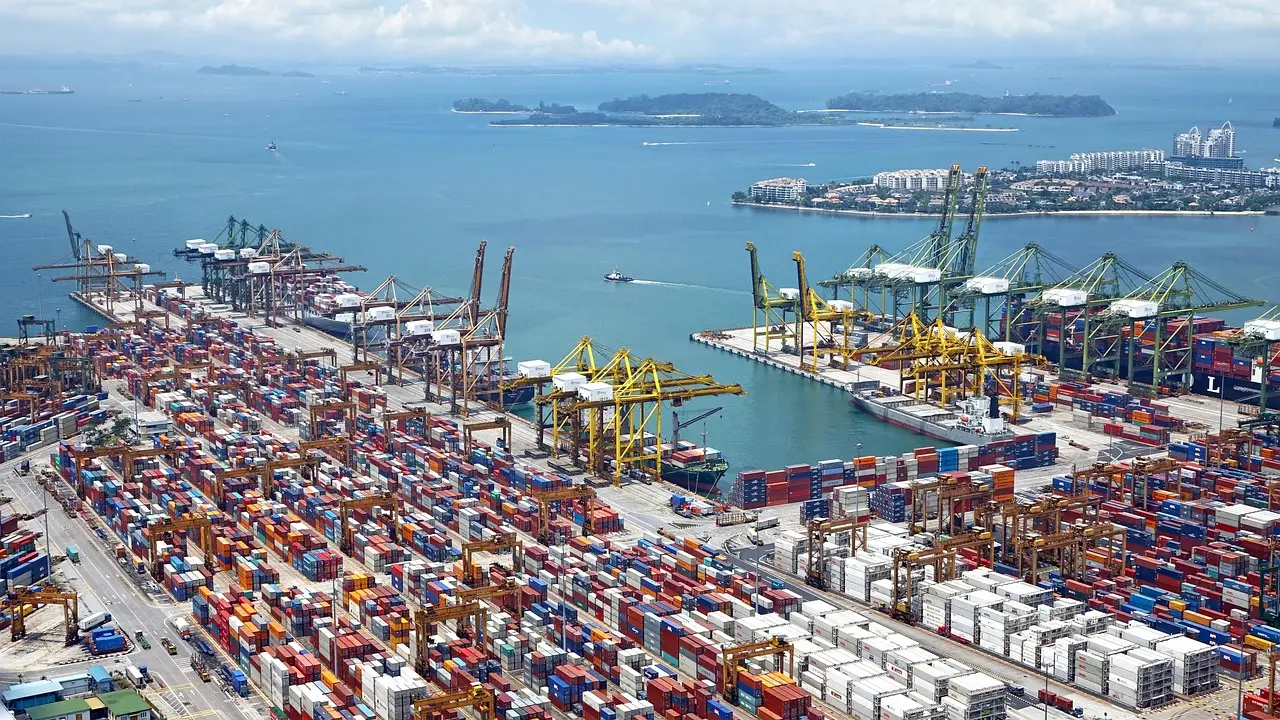
Fifteen percent is the number on the table for Korea, Japan and the EU. Twenty percent is the opening figure for China — with an explicit threat to raise it to 40% if the trade truce with Beijing expires on January 10 without extension. That is the scale of the proposal the U.S. Trade Representative published on the 25th, targeting 14 economies under a Section 301 investigation into structural overcapacity.
Nothing takes effect yet. This is a proposal, not a tariff.
Who is on the list?
The 14 targets named by USTR include Korea, China, Japan and the EU, plus Singapore, Switzerland, Indonesia, Malaysia, Cambodia, Thailand, Vietnam, Taiwan, Bangladesh and India. The agency said it will collect written comments, then hold public hearings from January 25, 2027, before deciding on any final measures. The comment and hearing-participation deadline is January 5, 2027. In other words, a two-year runway sits between this announcement and any enforced duty — ample time for negotiation, litigation or both.
What rates did USTR propose?
- Korea, Japan, EU: up to 15%. USTR said the figure reflects existing trade agreements and tariffs already imposed. For Korea specifically, the agency said it weighed commitments under the bilateral Strategic Trade and Investment accord alongside existing measures.
- China: 20%, conditional. USTR stated the rate could climb to 40% if the trade truce with China is not extended by January 10.
- Korea's escalation clause: 25%. USTR said Korea's rate could rise to 25% if consultation outcomes and implementation of existing commitments fall short of U.S. standards.
The pattern is familiar. Washington is using proposed tariff levels as leverage to extract further concessions from trading partners. The numbers are ceilings, not floors — and every escalation clause is a negotiating chip.
Why Section 301, and why now?
The move follows a legal defeat. In February, the Supreme Court ruled that the International Emergency Economic Powers Act does not grant the president authority to impose tariffs — voiding the earlier IEEPA-based tariff wall. The Trump administration is now rebuilding that barrier on other statutes.
USTR opened its overcapacity investigation in March, examining structural overcapacity, large and persistent trade surpluses and idle production capacity. The agency's argument: foreign government subsidies, preferential financing, support for state-owned enterprises, forced technology transfer, and weak labor and environmental regulation drive low-price over-export and erode U.S. manufacturing competitiveness. USTR also noted that overcapacity has been discussed by other major economies and international organizations, framing the problem as shared rather than solely American.
For China, the targeted industries include automobiles, batteries, chemicals, semiconductors, shipbuilding, steel, solar, telecommunications and robotics. Automotive supply chains sit squarely in the blast radius.
How did Beijing and Brussels respond?
Both rejected the premise. Chinese Foreign Ministry spokesperson Guo Jiakun called overcapacity a false proposition and said China opposes political manipulation on that pretext. The European Commission said it cannot accept the assumption that Europe is a source of structural overcapacity.
The pushback inside the U.S. is growing too. Tariff policy serves President Trump's goals of manufacturing revival, fiscal revenue and negotiating pressure, but prices and cost-of-living strains featured in the midterm defeat debate. Post-election polling showed a majority of Americans favoring legislation to repeal the administration's tariffs or stating the tariffs hurt the economy. Republican senators have voiced concern, and litigation over the legality of other Section 301 tariff actions is ongoing.
That leaves the administration squeezed from Congress and the courts simultaneously.
What to watch next
Watch three dates. January 5, 2027: the comment deadline. January 10: the China truce expiry that determines whether 40% becomes real. January 25, 2027: the first hearing. Between now and then, expect Seoul to negotiate — the 15-to-25 percent spread exists precisely for that purpose.
via news.jkn.co.kr (Source)
More from Amara Osei
Show full bio
Market editor covering technology and product news in Automotive manufacturing and vehicle production at Autoplant Brief.
362 articles
Also circulated
- US proposes 15% tariff cap on Korean goods, warns 25% possible
- USTR proposes 25% overcapacity tariff on Korea, retains 15% cap
- USTR overcapacity tariffs keep 15% ceiling for Korea
- USTR Targets 14 Economies Over Overcapacity; Korea Holds 15% Ceiling
- USTR Proposes Up to 15% Tariffs on All Korean Goods, 20% on China