Effective November 26, 2026
Auto Industry PolicyEngineering notice
USTR Targets 14 Economies Over Overcapacity; Korea Holds 15% Ceiling
USTR proposes tariffs on 14 economies over manufacturing overcapacity, eight months after opening its Section 301 probe. Korea keeps its 15% ceiling; the EU faces up to 20% and Brazil separate aircraft and sugar actions.
Scope of change
- USTR proposed tariffs on 14 economies on November 25, eight months after launching its Section 301 overcapacity investigation.
- Korea and the EU each received a 15% tariff ceiling; the EU faces possible escalation to 20%.
- USTR opened comment proceedings on a 10% tariff on Brazilian aircraft plus higher sugar tariffs, with comments due December 30 and a hearing January 14.
- Mexico and Norway were dropped from the original 16-economy investigation list.
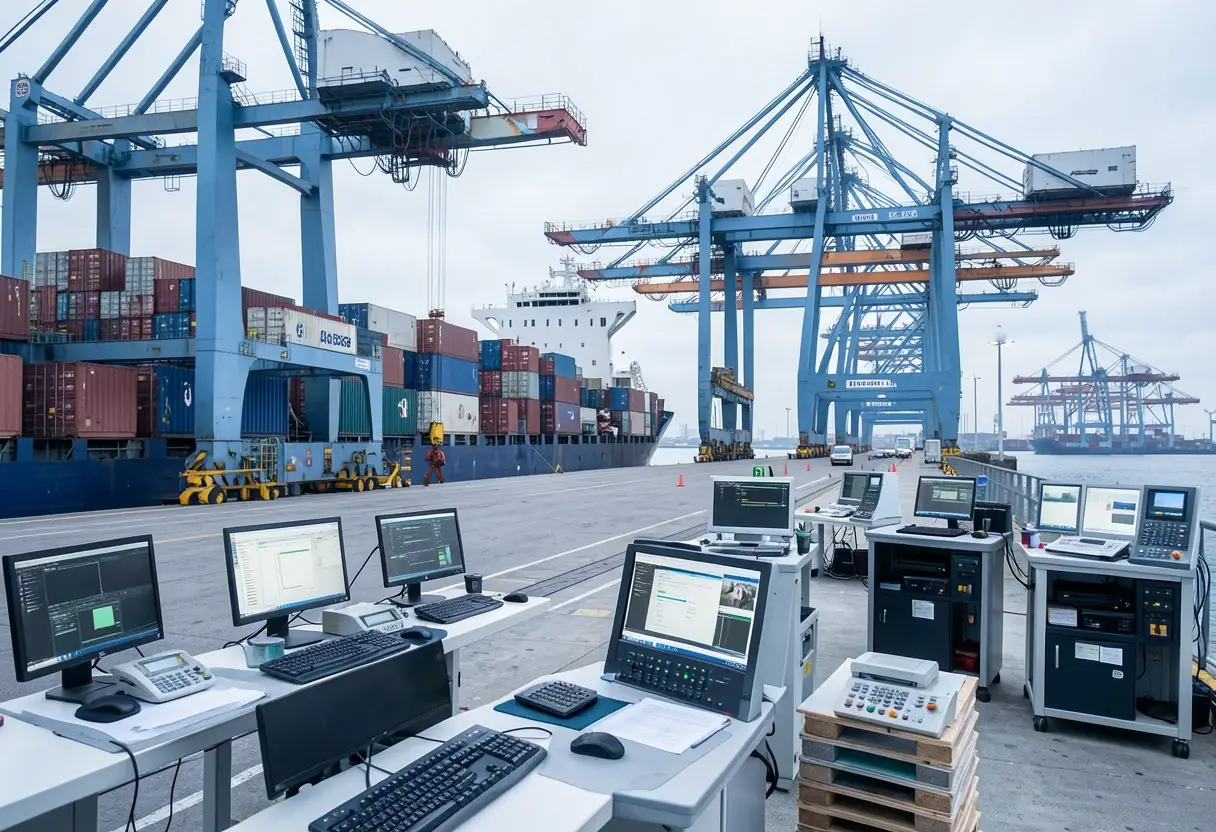
The U.S. Trade Representative on November 25 proposed tariffs on 14 economies, citing structural overcapacity and excess manufacturing capacity — eight months after opening its Section 301 investigation into 16 trading partners in March.
Korea escaped with a 15 percent tariff ceiling, the level it secured in last year's bilateral investment agreement with Washington. The European Union received the same 15 percent cap, but with an escalation clause: if consultation and existing commitments prove insufficient, tariffs could rise to as much as 20 percent, with limited exceptions. Mexico and Norway, both part of the original investigation, dropped off the target list.
Why the 15 percent line matters for Korean suppliers
Korean officials had feared steeper tariffs. The U.S. has flagged Korea's widening trade surplus — Industry Minister Kim Jong-kap noted the surplus with the U.S. has more than doubled since last year — as a potential trigger for additional retaliation. Kim said that without the investment framework negotiated with Washington, the surplus growth "would have been a major burden," and called holding the 15 percent line without further retaliation a tangible result.
What does this change for Korean exporters? Not much yet, and that is the point. The proposal is not a final tariff determination; further consultation remains before rates harden into enforceable measures. Exporters shipping under the current framework keep the ceiling they planned around, but they cannot treat 15 percent as permanent law.
EU and China push back on the overcapacity premise
European Commission spokesman Olof Gill said the EU will review the investigation's findings, but rejected the premise outright. Brussels argues that much of the alleged overcapacity is state-driven and concentrated in third countries, not in Europe.
Chinese Foreign Ministry spokesman Guo Jiakun went further, calling overcapacity a "false proposition" and opposing what he characterized as its political manipulation as grounds for tariffs. China rejects using overcapacity as a pretext for tariff measures.
Brazil faces a separate track: aircraft and sugar
Brazil drew a distinct action alongside the overcapacity cases. USTR opened a comment process on a 10 percent additional tariff on completed Brazilian-built aircraft and an increase in sugar tariffs.
The procedural calendar is tight:
- Written comments due by December 30
- Public hearing scheduled for January 14 next year
The Brazilian government rejected the unilateral measures while bilateral negotiations continue, saying it will pursue both negotiation and World Trade Organization procedures and has not ruled out reciprocity measures. Norway, by contrast, welcomed its exclusion, saying its companies have produced to match market demand.
What to watch next
Watch the January 14 hearing on the Brazil aircraft and sugar measures, the EU's review of the Section 301 findings, and whether USTR invokes the 20 percent escalation clause against Brussels. For Korea, the decisive moment is the conversion of this proposal into a final tariff schedule — the 15 percent ceiling holds only until that text is locked.
via news.jkn.co.kr (Source)
More from Marcus Bennett
Show full bio
News editor covering regulation, policy and their impact on Automotive manufacturing and vehicle production at Autoplant Brief.
355 articles
Also circulated
- USTR overcapacity tariffs keep 15% ceiling for Korea
- US proposes 15% tariff cap on Korean goods, warns 25% possible
- USTR proposes 25% overcapacity tariff on Korea, retains 15% cap
- USTR Proposes Up to 15% Overcapacity Tariffs on Korea, 20% on China
- USTR Floats Up to 15% Tariff on Korean Goods, 25% Ceiling Held in Reserve