Effective November 25, 2026
Auto Industry PolicyEngineering notice
USTR Floats Up to 15% Tariff on Korean Goods, 25% Ceiling Held in Reserve
USTR has proposed an additional tariff of up to 15% on Korean goods, with a 25% alternative if bilateral commitments fall short. Autos, semiconductors and petrochemicals are the named sectors. Comments close January 5, 2027.
Scope of change
- USTR proposes up to 15% additional tariffs on Korean goods, with a possible 25% ceiling.
- Report covers 14 economies under Section 301, published March 25; Mexico and Norway were dropped.
- Section 232 items — autos, parts, steel, aluminium, copper, semiconductors — may be excluded.
- Two Korean firms hold 70% of DRAM and 51% of NAND flash markets, per the report.
- Comments close January 5, 2027; hearings begin January 25, 2027.
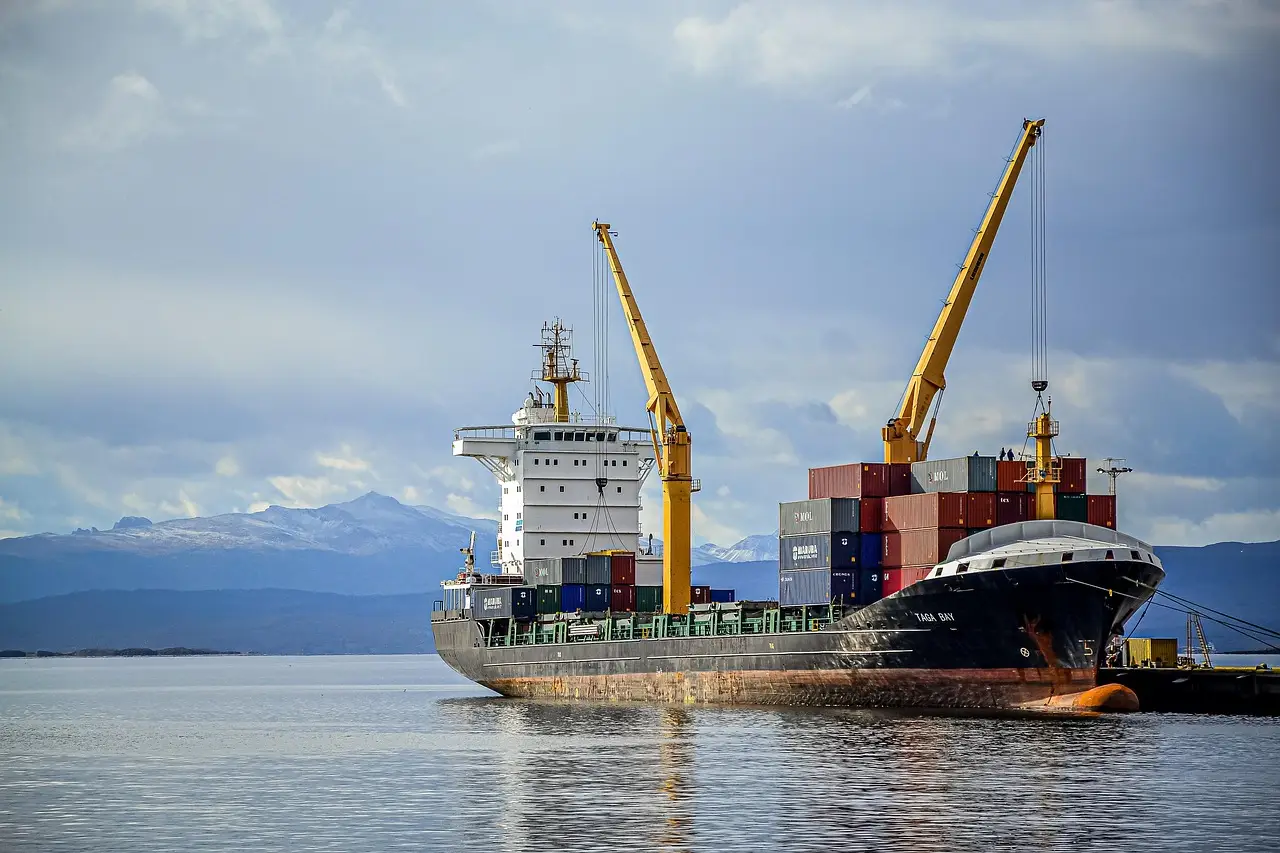
The US Trade Representative is weighing an additional tariff of up to 15% on Korean goods, with a 25% ceiling if Seoul's follow-through on bilateral commitments falls short. The measure is a proposal, not a final levy, and Section 232 (a trade law covering national-security products) lines — autos, auto parts, steel, aluminium, copper and semiconductors — could be carved out.
USTR laid out the position in a report published March 25 local time under Section 301 (the statute authorising punitive tariffs on unfair trade practices), covering 14 economies it assessed for structural overcapacity in manufacturing. The original investigation list held 16 targets; Mexico and Norway were dropped from the March 25 findings.
Which Korean policies are in the crosshairs?
The report names autos, semiconductors and petrochemicals as the core overcapacity sectors. It cites the Lee Jae-myung government's 123 national policy tasks, targets of world No. 3 in AI competitiveness and world No. 5 in vehicle production by 2030, the National Strategic Technology Cultivation Master Plan, the K-Semiconductor Strategy and the Future Vehicle Industry Development Strategy as concrete examples.
USTR argues that state-led expansion of production and exports, backed by financing through national policy banks, distorts market competition and burdens the US economy. It also points to Korea's higher manufacturing share and export dependence relative to the US, and to the persistent bilateral trade surplus.
On chips, the report claims two Korean firms hold 70% of the DRAM market and 51% of the NAND flash market, with tax benefits and infrastructure support underpinning that position. It further faults Seoul for not responding adequately to imports from non-market economies such as China, arguing that rising Chinese intermediate-goods imports widen both countries' exposure to supply-chain disruption and economic coercion.
The report adds a labour angle: insufficient protection of workers' rights in Korea, it claims, keeps production costs low and boosts export competitiveness — an unusually broad framing that reaches into industrial policy, supply chains and labour conditions at once.
What does this change for Korean suppliers?
Nothing is imposed yet. USTR describes the 15% figure as a proposal resulting from its investigation, reflecting the review framework tied to the Korea-US Strategic Trade and Investment Agreement. The additional tariff would apply on top of most-favoured-nation rates and existing Section 301 duties, not to them. Final scope depends on the eventual decision and product-level exclusions.
For Korean parts makers and Tier 1 suppliers shipping finished components to US plants, the practical exposure is conditional: if Section 232 goods are exempted, the deepest-affected segments shift from autos and chips toward petrochemicals and general manufacturing inputs. If not, Korean-built content feeding US assembly lines faces a compounding tariff stack.
Timeline and what to watch
USTR opened the investigation in March last year and collected roughly 140 testimonies and 1,070 written comments in its public comment process. Written comments and hearing participation requests close January 5, 2027, with hearings from January 25, 2027.
Washington has signalled similar tariff-adjustment possibilities to Japan, China and the European Union on the same overcapacity grounds. Watch three things: the January comment round, the final product-exclusion list under Section 232, and whether Washington judges Seoul's implementation of the Strategic Trade and Investment Agreement sufficient to cap the levy at 15% — or triggers the 25% track.
via news.jkn.co.kr (Source)
More from Marcus Bennett
Show full bio
News editor covering regulation, policy and their impact on Automotive manufacturing and vehicle production at Autoplant Brief.
355 articles
Also circulated
- US proposes 15% tariff cap on Korean goods, warns 25% possible
- USTR proposes 25% overcapacity tariff on Korea, retains 15% cap
- USTR overcapacity tariffs keep 15% ceiling for Korea
- USTR Proposes Up to 15% Tariffs on All Korean Goods, 20% on China
- USTR Proposes Up to 15% Overcapacity Tariffs on Korea, 20% on China