Effective November 26, 2026
Auto Industry PolicyEngineering notice
US Floats Up to 40% Tariffs on China as Truce Extension Hangs on Miami Summit
USTR proposes up to 20% additional tariffs on Chinese goods under Section 301, with rates reaching 40% if the January 10 truce deadline passes. Beijing vows to defend its rights. Miami summit decides.
Scope of change
- US proposes up to 20% additional tariffs on China; rates could reach 40% if the truce lapses on January 10
- Section 301 comments close January 5, 2027; hearings begin January 25
- China committed to at least $17 billion in annual US agricultural purchases from 2026–2028
- About $30 billion in consumer goods are excluded from the proposed tariffs
- Trump-Xi summit in Miami next month is the decisive negotiation moment
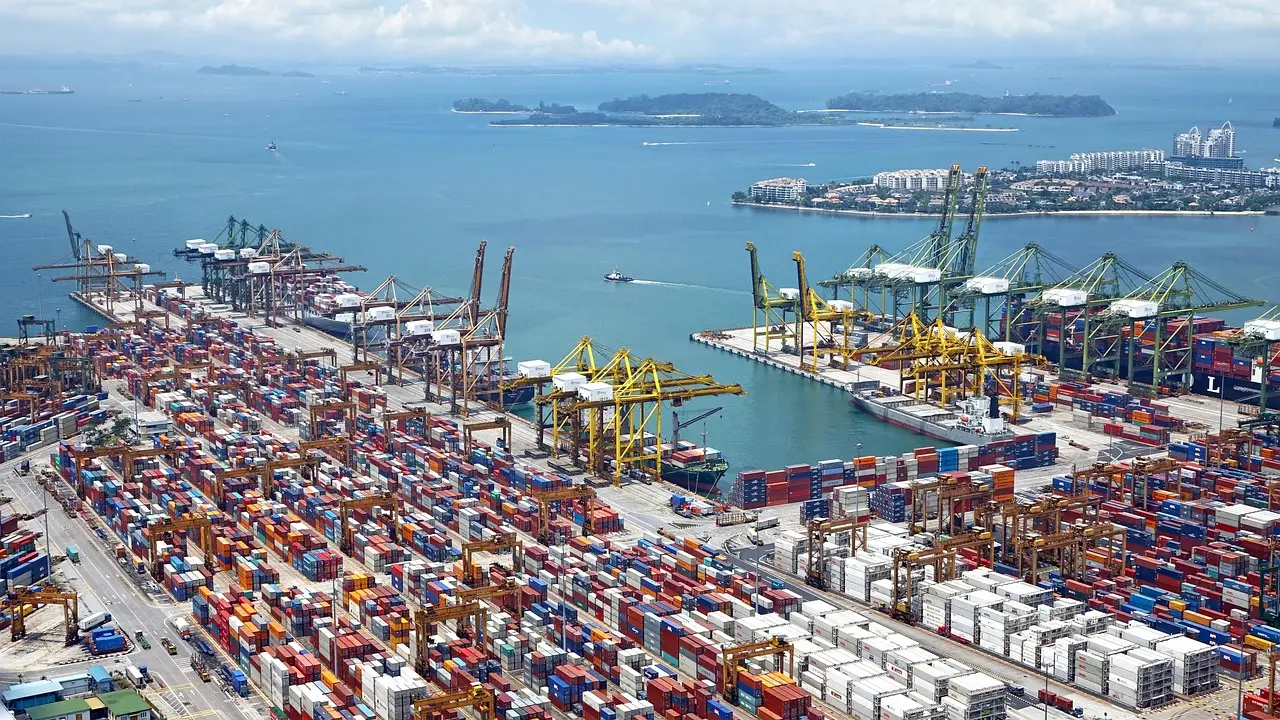
Tariffs on Chinese goods could climb to 40% if the US-China trade truce is not extended past January 10, Washington has warned. The US Trade Representative (USTR) proposed up to 20% in additional tariffs on China on the 25th, citing industrial overproduction, targeting 14 economies in total including South Korea, Japan, the EU, Singapore, India and Vietnam.
The 20% tariff is not yet final. It rests on a Section 301 investigation (a US trade-law probe into practices deemed to restrict American commerce), and must pass through stakeholder comment and hearings. Comments close January 5, 2027, with hearings starting January 25.
What happens if the truce lapses?
The two countries suspended their trade war after last year's collision between high US tariffs and China's rare-earth export controls (curbs on exports of critical minerals used across automotive and electronics supply chains). Implementation disputes have not stopped since.
Washington's complaints are specific. It says China has not restored rare-earth and critical mineral supply to pre-control levels. It also wants fuller delivery on agricultural purchase commitments — the White House said the May agreement obliges China to buy at least $17 billion of US farm products annually from 2026 through 2028.
The proposal contains deliberate de-escalation valves. The overproduction tariffs will not stack on forced-labor tariffs imposed last July, and roughly $30 billion in consumer goods designated by the bilateral trade committee for tariff reduction are excluded.
How did Beijing respond?
China's commerce ministry pushed back immediately. Spokesperson He Yadong told a regular briefing on the 26th that the US plan damages the international economic order and violates WTO rules, adding: "China firmly opposes this." He continued: "China will closely watch developments, reserves the right to take necessary measures, and will firmly defend its legitimate rights and interests."
Both governments are still managing the conflict through channels rather than escalation. The trade committee held its first meeting on the 14th, and agriculture working-group talks ran in Beijing on the 23rd and 24th, covering market access and trade in farm goods. Procedures for the intergovernmental body overseeing implementation of the leaders' agreement are already in place.
What does this change for manufacturers?
The exposure runs both ways. The US remains dependent on Chinese critical-mineral supply chains, so tariff pressure that triggers tighter export controls would feed straight back into US manufacturing costs. China, for its part, must weigh the economic hit of falling exports to the US. Both sides have structural reasons to keep the conflict within limits.
The decision point is next month's summit between President Donald Trump and President Xi Jinping in Miami. Tariffs, rare earths and agricultural purchases are the agenda, and the meeting is expected to determine whether the truce — and the January 10 pause on trade measures — holds.
What to watch: the January 5 comment deadline, the January 10 truce expiry, and the Miami summit outcome on rare-earth supply restoration.
via news.jkn.co.kr (Source)
More from Marcus Bennett
Show full bio
News editor covering regulation, policy and their impact on Automotive manufacturing and vehicle production at Autoplant Brief.
355 articles
Also circulated
- China extends 24% U.S. tariff pause and export controls
- USTR Proposes Up to 15% Overcapacity Tariffs on Korea, 20% on China
- China Calls Overcapacity a 'False Proposition' as US Weighs New Tariffs
- US Proposes Up to 20% Tariffs on 14 Economies, China Hit Hardest
- US proposes 15% tariff cap on Korean goods, warns 25% possible