Effective November 23, 2026
Auto Industry PolicyEngineering notice
US House Democrats Aim Scrutiny at $350 Billion Korea Investment Deal
Rep. Richard Neal says a Democratic-led Congress will probe the Korea-US investment deal — $350 billion in pledges and 15% auto tariffs — plus Trump's broader tariff regime in hearings next year.
Scope of change
- Korea pledged $350 billion in US investment under the strategic trade agreement.
- USTR will adjust reciprocal and item-specific tariffs on Korean autos, parts and timber to 15% under certain conditions.
- Rep. Richard Neal, likely Ways and Means chairman, announced oversight plans in an interview published Oct. 22.
- Hearings will cover the 10% baseline tariff, steel, aluminum, auto tariffs and Canada levies.
- The US-Korea FTA has been in force since March 2012.
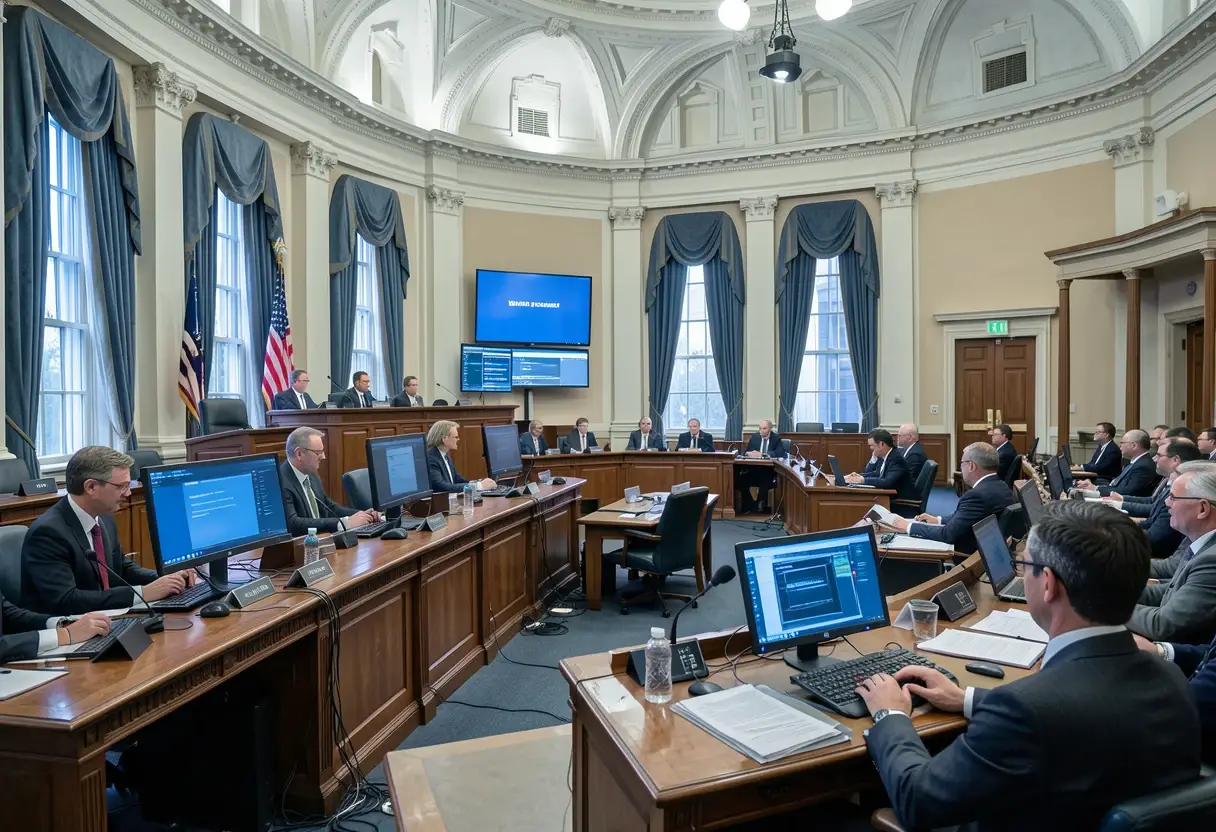
A $350 billion Korean investment pledge to the United States is heading into congressional crosshairs. Representative Richard Neal, the ranking Democrat on the House Ways and Means Committee, said in an interview published Oct. 22 that he plans to examine the investment agreements Washington struck with South Korea, Japan and the Gulf states if his party takes control of Congress next year.
The Korea deal matters to the auto sector directly. Under the 'Korea-US Strategic Trade and Investment Agreement,' detailed in a joint fact sheet, the Office of the US Trade Representative will adjust reciprocal tariffs on Korean goods to 15% under certain conditions — and item-specific tariffs on Korean vehicles, auto parts and timber also move to the 15% level. For context, that is a meaningful cut from the higher reciprocal rates the Trump administration imposed earlier, and it is the number Korean parts suppliers have been pricing against.
The agreement goes beyond tariffs:
- $350 billion in Korean investment into the US
- Measures on automobiles, agri-food, digital services and non-tariff barriers
- Expanded US corporate access to the Korean market
- Simplified auto certification procedures and faster approval of agri-biotech products
- Cooperation on digital services and data transfers
The US-Korea Free Trade Agreement, in force since March 2012, already covers investor protection and investment dispute procedures, with joint committees and working groups on investment, services and telecommunications. The new deal layers onto that foundation.
Why the Oversight Threat Matters
Neal, who is likely to chair the Ways and Means Committee under Democratic control, argued the deal's details haven't been aired. 'Nobody has had the opportunity to look at the details,' he said, adding that oversight 'is exactly Congress's role.' He pressed the point: the details should be disclosed so 'the people can judge.'
For Korean automakers and tier suppliers exporting through the 15% tariff framework, congressional scrutiny doesn't overturn the agreement — but it could complicate implementation timing and revive questions about which conditions attach to the tariff adjustments.
Hearings on the Whole Tariff Architecture
Neal's ambitions run wider than the investment pacts. He promised hearings on the full sweep of President Donald Trump's tariff policy: the 10% baseline tariff, steel and aluminum duties, auto tariffs, and the levies imposed on Canada. He singled out agriculture for close review, with parts of manufacturing getting a thorough look too.
He didn't hold back on motive. Imposing 50% tariffs on Brazil because 'you don't like the presidential election,' or taxing Canadian goods because Prime Minister Mark Carney said something disagreeable, 'is not right,' Neal said.
The Political Tailwind
Democrats are pressing the offensive after substantially outperforming Republicans in the midterms, where voter frustration over tariffs and cost of living ranked among the dominant issues. Neal also flagged reviews of the deficit-swelling tax cuts and a push to restore tax credits covering 22 million Americans under the health insurance reform law that expired late last year.
Twenty-two million taxpayers is not a rounding error, and neither is $350 billion. Both numbers now sit on the same committee docket.
What to watch: whether Democrats actually take the House, the date Neal gavels in the first tariff hearing, and whether the 15% auto tariff adjustment survives review untouched.
via news.jkn.co.kr (Source)
More from Daniel Okafor
Show full bio
Senior reporter covering regulation, policy and their impact on Automotive manufacturing and vehicle production at Autoplant Brief.
372 articles
Also circulated
- Trump Tariffs Threaten Japan's Auto Industry, NHK Reports
- USMCA review and Trump tariff threat freeze North American auto investment
- Trump Defends Tariff Policy, Claims Revival of Auto Manufacturing
- Six U.S. Auto Groups Urge Trump to Keep Chinese Market Block
- South Korea auto exports jump 18% to $6.55bn in October rebound