Effective November 23, 2026
Auto Industry PolicyEngineering notice
EU-Indonesia trade deal to scrap car tariffs of up to 50 per cent
The EU and Indonesia have agreed a free trade deal scrapping car tariffs of up to 50 per cent within five years, cutting duties on 98.5 per cent of goods and saving exporters some €600m a year.
Scope of change
- Car import tariffs of up to 50 per cent will be phased out within five years of the EU-Indonesia deal's implementation.
- Tariffs on up to 98.5 per cent of product categories will be abolished; EU exporters save an estimated €600 million annually.
- Provisional application, pending European Parliament approval, is expected in early 2027.
- The Commission forecasts EU exports to Indonesia up almost 40 per cent over 15 years.
- CATL and Indonesia Battery Corporation broke ground on a cell factory in 2025; local media report production starting this month.
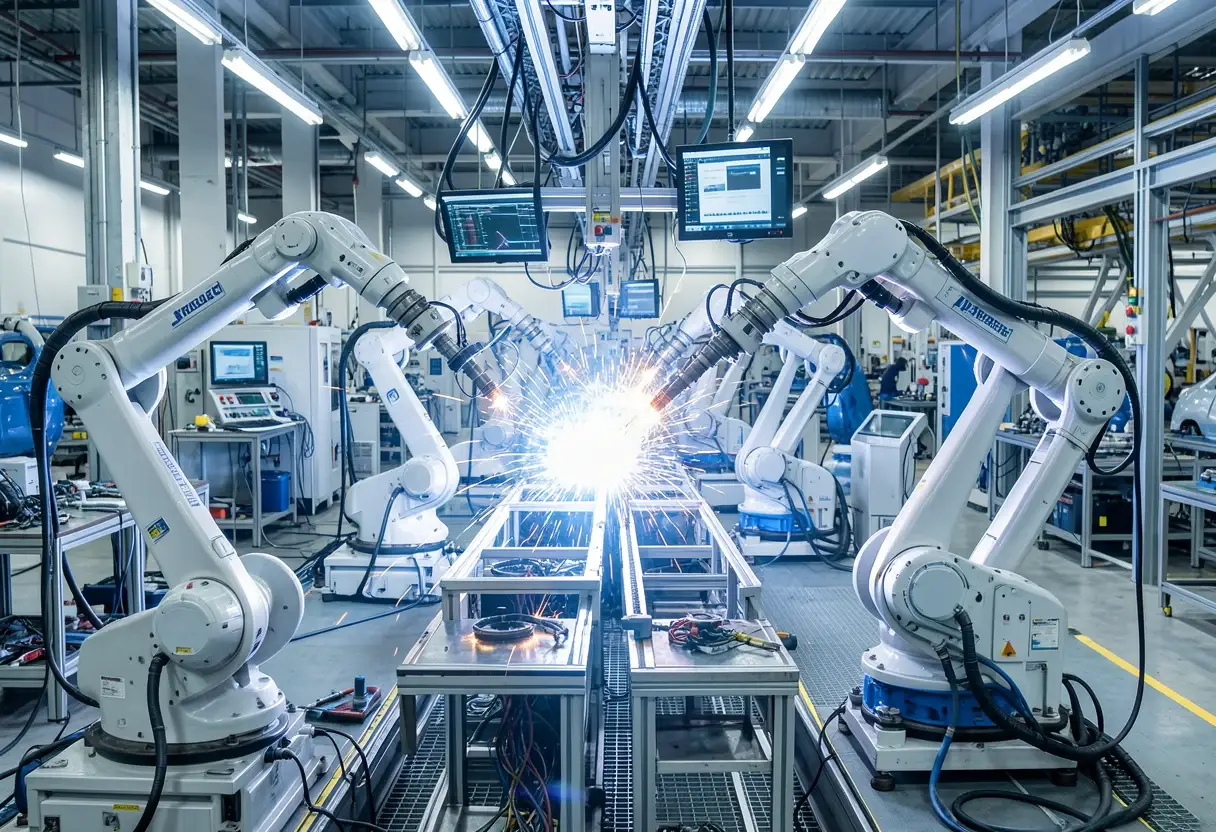
European carmakers shipping to Indonesia face import tariffs of up to 50 per cent today. Within roughly five years of the EU-Indonesia free trade agreement taking effect, those tariffs disappear. After close to a decade of negotiations, Brussels and Jakarta have closed a deal that abolishes duties on up to 98.5 per cent of product categories once fully implemented.
The European Commission puts the annual saving to EU exporters at around €600 million in customs duties. Cars are the headline item for the auto industry, but the agreement reaches further. The Commission says it opens new EU investment opportunities in Indonesia, "notably in strategic sectors such as electric vehicles, electronics and pharmaceuticals."
What does this change for sourcing?
Raw materials. Indonesia is a leading producer of nickel and cobalt, the two metals most exposed in battery supply chains. The Commission's framing is blunt: "The agreement will provide EU manufacturers with stability and predictability on access to these materials, strengthen the EU's strategic supply chains and protect them against disruption by sudden economic or geopolitical shocks."
That matters because Indonesia isn't just a mine. The country of roughly 290 million people — the world's third-largest democracy — holds vast nickel reserves and wants the processing industry onshore: battery factories and EV assembly plants included. To feed its own growing industry, Jakarta temporarily halted nickel ore exports altogether.
The Commission's trade forecasts run over 15 years. EU exports to Indonesia should rise by almost 40 per cent, "with particularly strong gains in machinery, motor vehicles, and other metals." Indonesian exports of goods and services to the EU are projected to grow by more than 14 per cent over the same period.
Who's already built there?
Asian manufacturers moved years before the tariff question was settled:
- Hyundai opened its first vehicle plant in Indonesia in 2022.
- Hyundai and LG Energy Solution opened the country's first battery cell factory in summer 2024.
- Toyota and BYD have both started building electric cars locally.
- CATL broke ground on a battery cell factory in 2025 with joint-venture partner Indonesia Battery Corporation. Local media report production is expected to have started this month.
That track record is why the Commission's investment pitch isn't speculative — the EV supply chain base already exists on the ground, and European suppliers will now compete for a place in it on better terms.
When does it actually bite?
Not yet. The agreement still needs several final steps, including approval by the European Parliament. Provisional application is planned once the necessary internal procedures are complete. The Commission expects that in early 2027.
So the timeline, working backwards from the deal text: ratification and provisional application around early 2027, car tariffs phased out within five years of implementation, and the 40 per cent export uplift measured across 15 years.
Watch two things next. The European Parliament vote, which is the gating decision for provisional application, and the first European EV or battery investment announcements in Indonesia once the tariff phase-out clock starts running — CATL's just-started cell production shows how quickly the local baseline is moving.
via ec.europa.eu (Original)
More from Grace Kim
Show full bio
Staff writer covering people, launches and day-to-day practice in Automotive manufacturing and vehicle production at Autoplant Brief.
309 articles
Also circulated
- EU and UK Move Toward Second Delay of EV Rules of Origin
- Indonesia ships first EV batteries from $10bn downstream programme
- EU Presses UK to Tariff Chinese EVs or Face 'Made in Europe' Barriers
- Japan hit with 28% EU duty on cold-rolled steel; Vietnam 16%
- Türkiye Demands Seat at EU 'Made in Europe' Table, Citing $25bn Stake