Effective November 23, 2026
Auto Industry PolicyEngineering notice
EU Council rejects binding EV quotas for corporate fleets
The EU Council rejects binding EV quotas for corporate fleets and would keep combustion company-car incentives, while MEPs back softening the 2035 CO2 target to as low as 87.5 per cent.
Scope of change
- EU Council rejects binding national EV quotas for large corporate fleets from 2030, replacing them with voluntary aspirational targets.
- Council Presidency wants to keep tax incentives for internal combustion company cars; Parliament's Centre Platform wants them restricted from 2028.
- Centre Platform proposes cutting new-car CO2 by 95 per cent by 2035 instead of 100 per cent, falling to 87.5 per cent with European steel credits.
- European Parliament plenary votes on the CO2 softening in December, per der Spiegel.
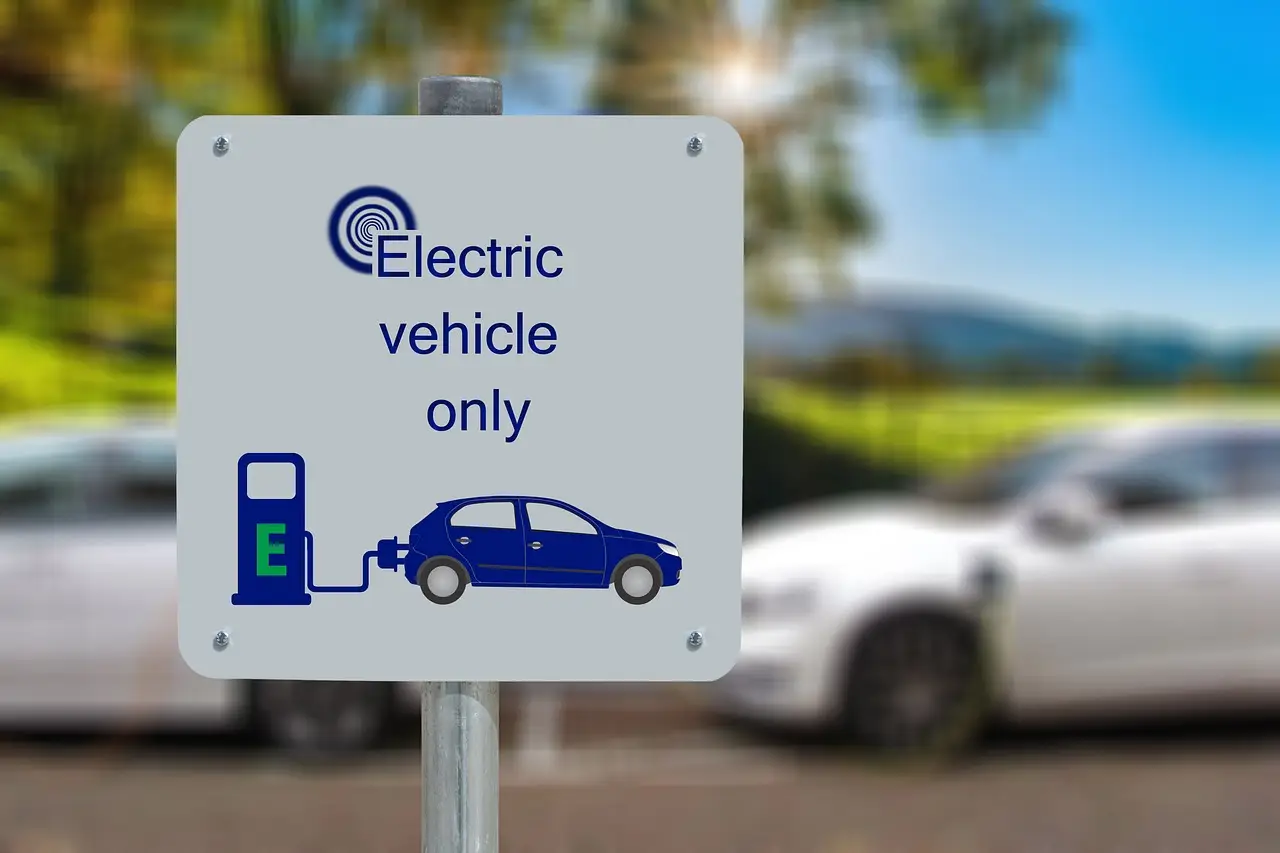
The EU Council has signalled its rejection of binding national electric vehicle quotas for large corporate fleets, according to a compromise draft obtained by Automobilwoche. The draft, prepared by the Irish Council Presidency for a meeting on Monday, also proposes to let tax incentives for internal combustion engine company cars continue in principle.
The move follows a European Parliament vote that pointed the same way. Under the 'Auto Package' presented by the European Commission at the end of last year, member states would have faced country-specific electrification requirements for company cars starting in 2030. The Commission framed the measure as a way, in its own words, "to support the introduction of zero-emission and low-emission vehicles by large companies." The model was Belgium, whose company car taxation policy has driven a sharp rise in electric vehicle sales.
How did the binding quotas become voluntary?
Both the Parliament and the Council now want to water down that part of the package. The binding quotas would be replaced by so-called aspirational targets, which remain voluntary and carry no penalties for member states that miss them, as Automobilwoche reported in late October.
For the parliamentary vote, the Conservatives (EPP), Social Democrats (S&D) and Liberals (Renew) formed a joint position. Together the three groups constitute the Centre Platform. Jens Gieseke, an EPP member who chairs the European Parliament's Transport Committee, told Automobilwoche: "For corporate fleets, we have found a good compromise with the other groups that protects fleet operators from major burdens."
Where do the Council and Parliament still disagree?
The Council largely adopts the Parliament's position on relaxing EV quotas, but the two institutions split on company car incentives. The Centre Platform wants to restrict financial support to zero-emission and low-emission corporate vehicles from 2028 onwards, as the Commission originally proposed. The Council Presidency, by contrast, wants incentives for combustion engine vehicles to remain permissible.
These disputes show how much the Auto Package may still change before the final vote. In the trilogue (the negotiation format where Parliament, Council and Commission reconcile their positions), the company car regulation is a side issue. The central question is the relaxation of the EU's internal combustion engine phase-out.
What is happening to the 2035 CO2 rules?
Three parliamentary committees have already voted on the phase-out question, and their votes serve as a guide for the rest of the legislative process. A majority of MEPs supports softening CO2 regulations, a position the Centre Platform had agreed internally shortly beforehand. According to der Spiegel, the plenary votes in December.
The Centre Platform proposes that manufacturers cut CO2 emissions from new cars by 95 per cent rather than 100 per cent by 2035, against a 2021 baseline. Manufacturers could claim an additional 7.5 percentage points of relief if they use climate-friendly European steel in their vehicles as compensation. In that case the effective reduction target would fall to 87.5 per cent by 2035 — a level that, according to the three groups, would still permit new registrations of combustion and hybrid vehicles after 2035.
What to watch next: the Parliament's plenary vote in December, the trilogue positions on steel credits, and whether the Council Presidency's tolerance for combustion company-car incentives survives the final package.
via automobilwoche.de (Original)
More from Sophie Lindqvist
Show full bio
Correspondent covering money, funding and market shifts around Automotive manufacturing and vehicle production at Autoplant Brief.
336 articles