Effective November 23, 2026
Auto Industry PolicyEngineering notice
DR Congo suspends cobalt exports again, hitting Chinese suppliers
DR Congo’s indefinite cobalt export suspension from Nov. 30 threatens Chinese refiners and battery suppliers, while Indonesia positions to capture buyers seeking alternatives.
Scope of change
- DR Congo will suspend all cobalt exports indefinitely from Nov. 30.
- DR Congo supplies about 75% of global mined cobalt, while China refines about 75%.
- ARECOMS will review the suspension after four months, but exports require a separate reopening decision.
- The first blanket export ban took effect in April 2025 before the government replaced it with quotas.
- Indonesia ranks second among cobalt producers, with output largely generated as a nickel-processing byproduct.
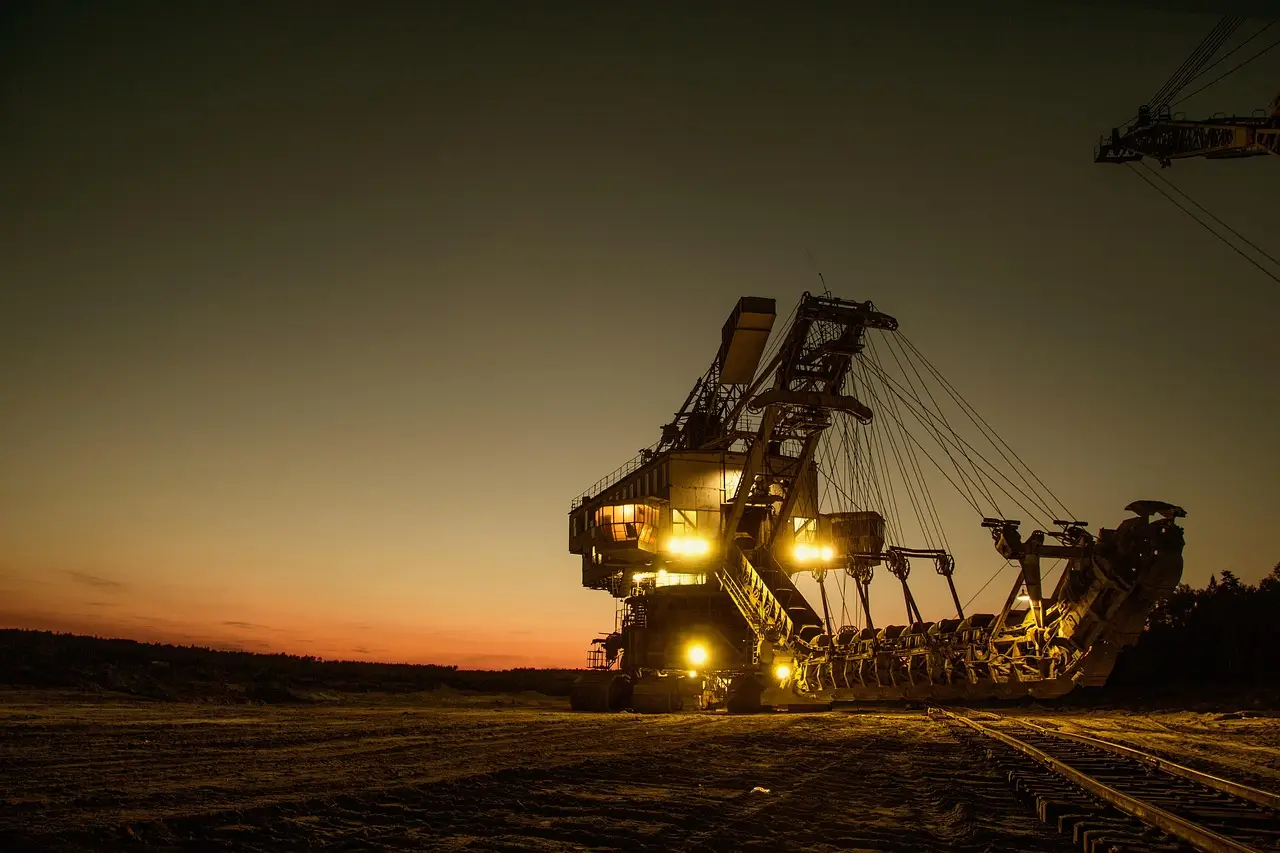
DR Congo will suspend all cobalt exports from Nov. 30, and supplies about 75% of global mined cobalt. ARECOMS, the country's strategic minerals regulator, announced the indefinite stop for large industrial mines and small artisanal operations (small-scale mining). Exports can resume only after a formal regulator decision, so the halt has no automatic end date.
How will the suspension affect prices and shipments?
ARECOMS will assess the suspension four months after it takes effect, but that review will not automatically authorize shipments again. Any reopening requires a separate decision covering shipment volumes, quota allocations (export limits) and applicable conditions. The current order sets no dated restart schedule.
This is DR Congo's second major intervention in two years. In April 2025, the government imposed a blanket export ban after cobalt prices fell to historic lows. It later replaced that ban with a quota system designed to prevent excessive supply from reaching international markets.
When exports resumed under quotas, fresh volumes entered a market already burdened by excess inventories and weaker demand from battery manufacturers. Those additions undermined efforts to sustain a price recovery. DR Congo says the renewed stop aims to halt falling prices and regain market control, although weak demand may limit the result.
How does the export halt reach Chinese suppliers?
China refines about 75% of global cobalt supplies, concentrating much of the industry's commercial value in Chinese processing. Chinese companies are also among the largest exporters of Congolese cobalt. Battery manufacturers and other industrial buyers therefore face uncertainty over raw-material availability and shipment timing.
The concentration is direct: DR Congo's 75% mining share is almost identical to China's roughly 75% refining share. For vehicle makers, cobalt's end use includes rechargeable batteries in electric vehicles, smartphones and other electronic devices. The policy addresses raw-material shipments rather than finished-cell or vehicle production.
Can Indonesia take the displaced volume?
Indonesia is the world's second-largest cobalt producer and could gain as buyers look for alternative sources. Most of its cobalt output comes as a byproduct (secondary output) of nickel ore processing. That structure links any cobalt increase to nickel-processing volumes, rather than to cobalt mining alone.
The suspension could reshape supply dynamics without guaranteeing a sustained cobalt price recovery. Subdued battery demand and persistent market surpluses could absorb some redirected volumes before prices respond fully. Indonesia's possible gain therefore depends on the size of the market gap, which the decision does not quantify.
What does Glencore stand to lose?
International mining companies with significant Congolese exposure face renewed uncertainty, particularly Glencore. The Swiss miner has already reduced cobalt production following the earlier restrictions. It also faces continuing talks to sell key assets and is shifting production to Australia amid the latest ban.
A recovery in international prices could provide some relief through Glencore's Australian cobalt operations. The current information provides no revised output, export or asset-sale timetable. That leaves buyers without a production schedule against which to test the policy's effects.
What should buyers and policymakers watch?
The next milestone is ARECOMS's four-month review, but only a separate order can restart shipments. Watch the quota allocations, permitted volumes and conditions attached to any reopening. The order will determine when Congolese industrial mines and artisanal operations can ship again.
Buyers also need evidence that Indonesian byproduct output can expand, while Chinese refiners and battery manufacturers await clarity on feedstock. Low battery demand and high inventories could keep the market weak even if the restriction removes supply from international traders. Any durable recovery will require tighter shipment controls and enough demand to clear accumulated stock.
via africa.businessinsider.com (Source)
More from Sophie Lindqvist
Show full bio
Correspondent covering money, funding and market shifts around Automotive manufacturing and vehicle production at Autoplant Brief.
336 articles
Also circulated
- Zimbabwe tightens lithium rules with 10% tax and local sourcing mandate
- Lohum Plans 30,000t Lithium Refining Capacity in India
- China extends 24% U.S. tariff pause and export controls
- EU, China claim hybrid-export deal — but the baseline is unpublished
- EU quota could blunt Chinese hybrid imports after 100,000-unit surge