Effective November 24, 2026
Auto Industry PolicyEngineering notice
EU Clamps Provisional Quota of 191,780 on Hybrid Imports From China
Provisional EU safeguard measures cap Chinese hybrid car imports at 191,780 units between 1 December and 18 June 2027, with parallel quotas for other countries in Annex II.
Scope of change
- The EU has capped Chinese hybrid car imports at 191,780 units for the period from 1 December to 18 June 2027.
- The provisional measures apply to other origin countries as well, with quotas set out in Annex II of the regulation.
- The Commission found 'sufficient evidence' that hybrid imports threaten 'serious injury' to EU industry.
- The Commission said imports were arriving at an accelerating pace and at prices significantly below EU industry prices.
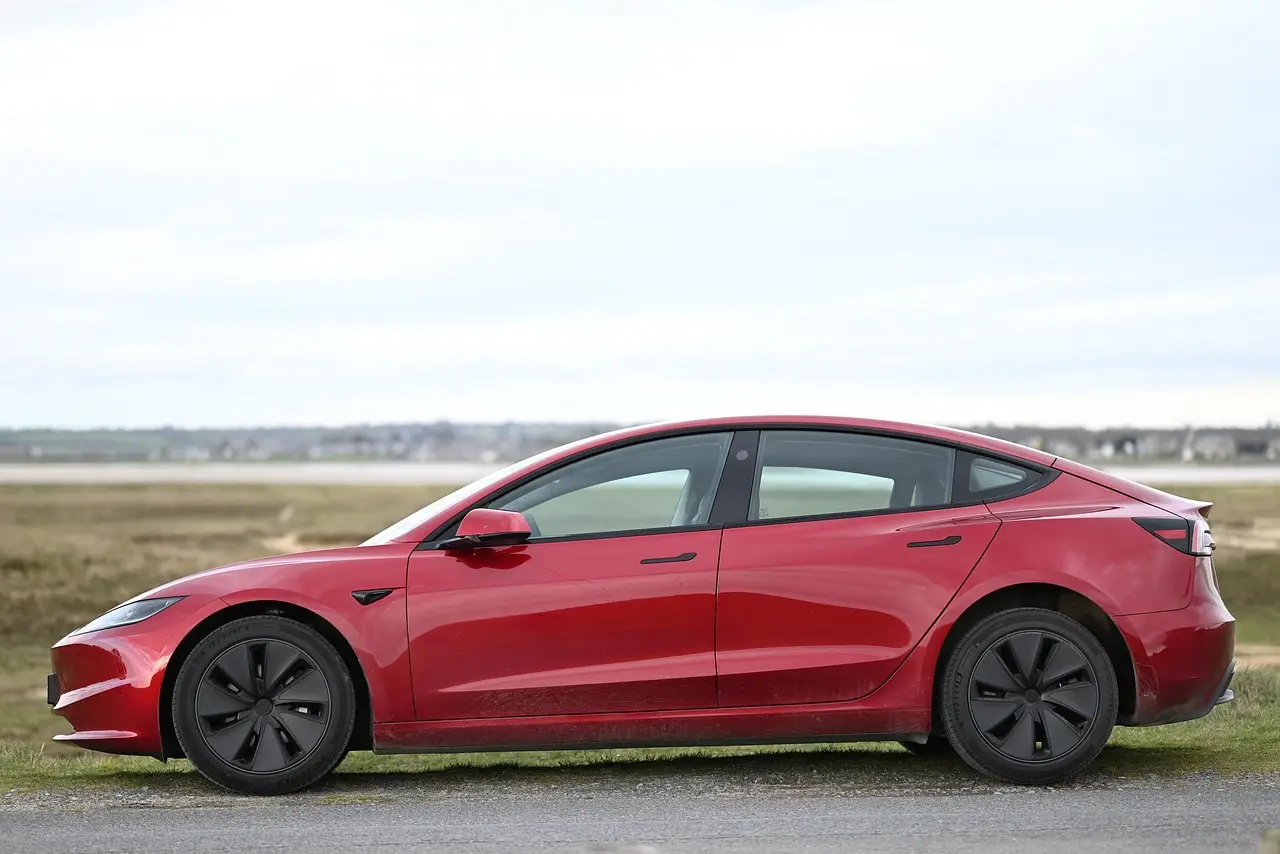
China can ship no more than 191,780 hybrid cars into the European Union between 1 December and 18 June 2027. That is the number at the centre of provisional quota measures the European Commission has published, and it applies not only to China but to a range of other origin countries listed in Annex II of the regulation. China, however, is the single biggest driver of the import surge that triggered the cap, according to the Commission's own analysis.
The timing matters for anyone planning import programmes around the measures. They take effect on 1 December and expire on 18 June 2027, a window of roughly eighteen and a half months. The Commission frames them as temporary and provisional rather than a permanent regime.
What legal basis does the EU invoke?
The measures carry the label 'safeguard measures' — a trade-policy instrument (a temporary restriction permitted under WTO rules when import volumes threaten domestic producers) that the EU says is allowed where a surge in imports threatens the bloc's economy. In this case the Commission judged the conditions met for the hybrid sector specifically.
The Commission said an investigation was necessary 'in view of the sensitivity of the hybrids sector, its strategic importance to the EU economy in terms of innovation, electrification and employment'. It also stated it had found 'sufficient evidence' that hybrid imports threaten to cause 'serious injury' to EU industry.
That last phrase carries weight. In safeguard language, a threat of serious injury — a standard the Commission quoted directly — is the trigger that permits provisional action before actual damage is fully quantified.
Why did Brussels move now?
Two findings in the Commission's analysis explain the urgency. First, hybrid imports are entering the EU at an 'accelerating pace, and at prices significantly below those of the EU industry'. Second, the Commission concluded that critical circumstances exist requiring the introduction 'without delay of provisional measures in order to prevent serious injury that would be difficult to remedy'.
The logic runs as follows. Hybrid cars occupy a strategic middle ground in the EU's electrification plans, and they still sustain significant European employment and innovation activity. If below-cost imports capture that segment faster than EU plants can adjust, the resulting damage — lost volumes, plant underutilisation, potential job cuts — would be hard to reverse once the market share is gone. The provisional cap is designed to freeze the situation while the investigation runs to completion.
How the cap is structured
The measures work as a country-by-country quota system:
- A total ceiling of 191,780 Chinese hybrid cars across the 1 December to 18 June 2027 window
- Parallel quotas for other origin countries, set out in Annex II of the published regulation
- A provisional legal status, meaning the numbers could change if definitive measures follow
The publication in the Official Journal makes the quotas legally operative rather than merely announced intentions. Importers and OEMs importing from China now face a hard ceiling for the period, and any allocation questions — how the quota is distributed across the window — will shape shipping schedules.
What the measures do not do
The regulation targets imports by origin, not technology. It applies to hybrid vehicles as a category and leaves the wider question of trade policy toward Chinese EVs to the separate tariff framework already in force. The Commission's justification rests on import volume and price effects, not on the vehicles' powertrain merits.
What to watch next
Three dates and decisions will define the story from here. The 1 December start of the provisional cap is the first. The 18 June 2027 expiry is the second, and whether the Commission converts provisional measures into definitive ones — or lets them lapse — is the third. The Commission's assessment of 'critical circumstances' also leaves open the possibility of adjustments to quota levels before the window closes.
via eur-lex.europa.eu (Original)
More from Sophie Lindqvist
Show full bio
Correspondent covering money, funding and market shifts around Automotive manufacturing and vehicle production at Autoplant Brief.
336 articles
Also circulated
- EU caps hybrid imports at 15% above 2025 levels from December 1
- EU weighs tariff-rate quotas on China-made hybrids as imports surge 13-fold
- China agrees to cap hybrid exports to the EU
- EU caps hybrid imports from China at 191,780 for 200 days
- EU Prepares Import Restrictions on Chinese Hybrids After Beijing Refuses Voluntary Caps