Effective November 23, 2026
Auto Industry PolicyEngineering notice
EU’s 350,000 hybrid quota would spare Chinese range-extender EVs
Brussels and Beijing’s 350,000-vehicle hybrid quota would exclude Chinese EREVs, but EU duties of up to 35.3% remain while a broader safeguard review advances.
Scope of change
- The China-EU hybrid deal sets a first-year quota of 350,000 vehicles, then raises it by 6% annually; the legal act remains unpublished.
- EU anti-subsidy duties on Chinese EREVs can reach 35.3%, depending on the manufacturer.
- Implementing Regulation (EU) 2024/2754 classifies range extenders under battery-electric tariff code 8703 80 10.
- The safeguard notice reported imports rising from 957,965 units in 2023 to 1,423,691 units from 1 July 2025 through 30 June 2026, a 49% increase.
- The Commission opened the all-third-country hybrid safeguard procedure on 30 October, three weeks after its agreement with China.
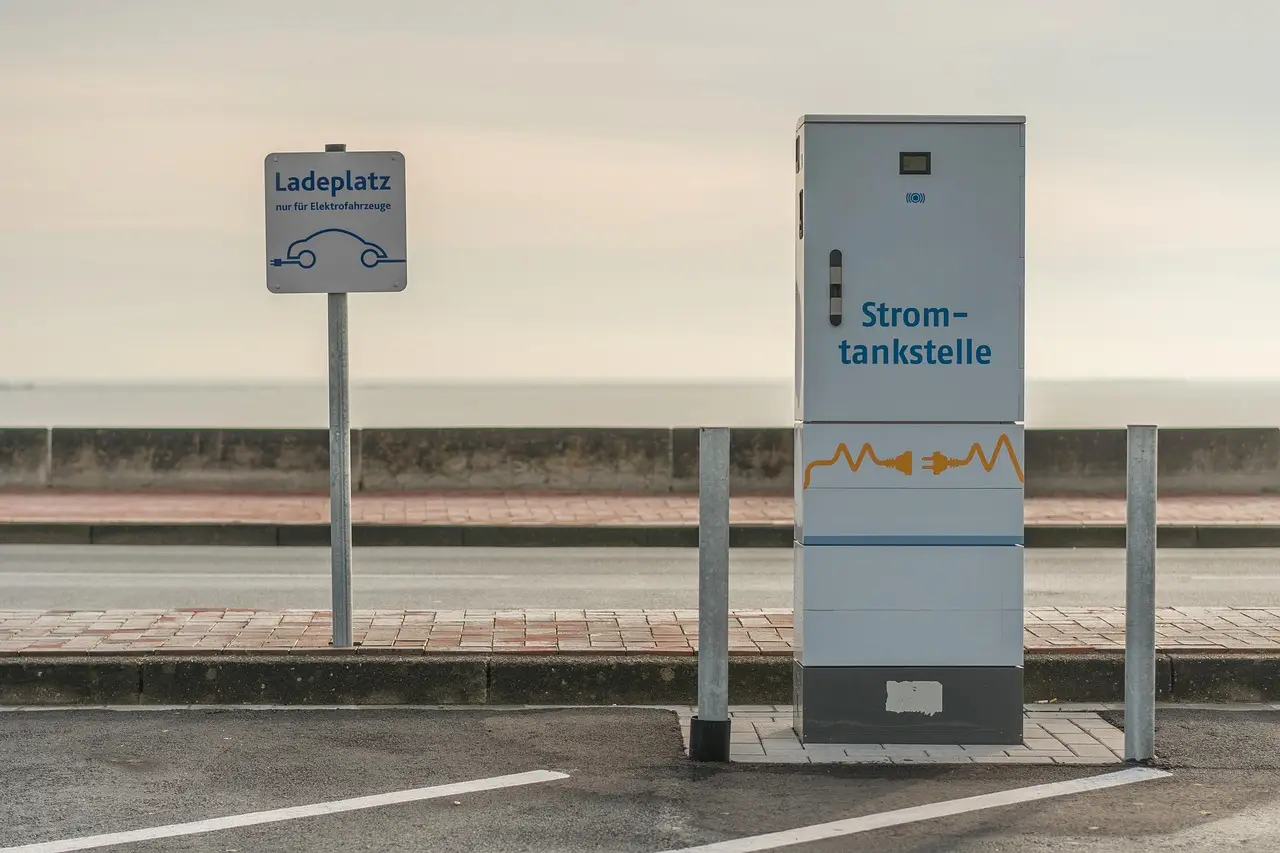
A 350,000-vehicle annual cap agreed between Brussels and Beijing would exclude Chinese range-extender electric vehicles, while EU anti-subsidy tariffs of up to 35.3%, depending on the manufacturer, continue to apply.
The October agreement sets a first-year ceiling for Chinese hybrid exports and increases it by 6% annually. It includes plug-in hybrid vehicles (PHEVs), which combine external charging with a combustion engine capable of driving the wheels.
An EU Commission representative said: “Brussels and Beijing have agreed to limit Chinese hybrid imports to 350,000 vehicles in the first year, with the quota increasing by six per cent annually thereafter.” The corresponding legal act has not been published.
Which vehicles escape the quota?
Range-extender EVs (EREVs) remain fully electric in EU-China trade treatment because only their electric motor provides propulsion. Their internal combustion engine generates electricity to recharge the battery during driving, and the vehicles can also recharge from external sources.
For Chinese manufacturers, this removes a volume ceiling but leaves the tariff exposure intact. If they pass the duty to customers, vehicle prices rise; if they absorb it, profit margins shrink.
Because range extenders already play a larger role in China, the exemption could encourage Chinese brands to broaden their European lineups. For now, that remains a potential market response rather than a confirmed production plan.
How do customs codes separate EREVs from hybrids?
In a conventional hybrid or PHEV, the internal combustion engine can drive the wheels directly. In an EREV, the engine only charges the battery, leaving the electric motor to provide propulsion. That mechanical difference determines the customs classification.
The European Commission made the same distinction during its 2024 investigation into Chinese electric vehicles. Implementing Regulation (EU) 2024/2754 explicitly placed battery-electric cars with an internal-combustion range extender under the special anti-subsidy tariffs. It assigned them code 8703 80 10 because the engine only charges the battery.
The quota uses four separate tariff codes:
- 8703 40 10
- 8703 50 00
- 8703 60 10
- 8703 70 00
Those code assignments also keep EREVs outside the hybrid safeguard procedure described below.
Which Chinese EREVs reach German buyers?
Three models are available in Germany, while a fourth has been announced:
- Leapmotor B10 Hybrid EV (DE): The compact SUV starts at €32,900. A 1.5-litre petrol engine generates electricity, while an electric drivetrain supplies propulsion.
- Leapmotor C10 Hybrid EV (DE): The larger SUV starts at €38,600 and offers a WLTP (Worldwide harmonization Light vehicles Test Procedure) total range of up to 986 km.
- Xpeng L03 PowerX Reev (DE): Xpeng added it to its German lineup last week, with pricing from €38,600. Its 1.5-litre petrol engine works only as a generator, while a 178 kW electric motor drives the rear wheels; electric range reaches up to 215 km, and combined WLTP range reaches 1,017 km.
- Zeekr 9X (DE): Geely’s Zeekr has announced the luxury SUV as its first range-extender model for Germany. The announcement provides no price or delivery date.
What could the broader safeguard change?
On 30 October, three weeks after the China agreement, the Commission opened a formal safeguard procedure, an import review that can produce volume restrictions. It covers hybrid and PHEV imports from every third country, meaning every non-EU country, rather than China alone.
The initiation notice said total imports of affected vehicles increased from 957,965 units in 2023 to 1,423,691 units between 1 July 2025 and 30 June 2026. It described the change as a 49% increase compared with 2023.
A safeguard decision could restrict hybrid imports from all third countries. Such measures could, in principle, affect models manufactured in the United Kingdom or United States. Whether restrictions will emerge, and in what form, remains unresolved.
What should readers watch next?
Publication of the China-specific legal act will establish when the 350,000-vehicle cap takes effect. The Commission’s safeguard decision will determine whether broader restrictions apply to conventional and plug-in hybrids from all origins.
The next checkpoints are publication of the quota instrument, the safeguard ruling and any German launch date for the Zeekr 9X. Until then, EREVs carry quota relief but retain anti-subsidy exposure of up to 35.3%.
via electrive.net (Original)
More from Sophie Lindqvist
Show full bio
Correspondent covering money, funding and market shifts around Automotive manufacturing and vehicle production at Autoplant Brief.
336 articles
Also circulated
- EU caps hybrid imports from China at 191,780 for 200 days
- China agrees to cap hybrid exports to the EU
- EU caps hybrid imports at 15% above 2025 levels from December 1
- EU weighs tariff-rate quotas on China-made hybrids as imports surge 13-fold
- Beijing Says EU Hybrid Deal Allows Export Growth From 302,000 Units