ECO-2259 · REV R · effective October 14, 2026
Auto Industry PolicyRELEASEDEngineering notice
Trump defends tariffs, claims auto revival without plant data
President Trump defended his sweeping tariffs as the cause of an auto-industry revival, offering no plant-level production data to support the claim.
Scope of change
- President Trump publicly defended his sweeping tariff program, arguing it revived the US auto industry and American manufacturing.
- The defense, reported by WSMV, cited no plant-level production, capacity or jobs data.
- No OEM or supplier capacity commitments were itemized in the president's remarks as reported.
- Verification of the revival claim now depends on plant output figures and supplier investment disclosures.
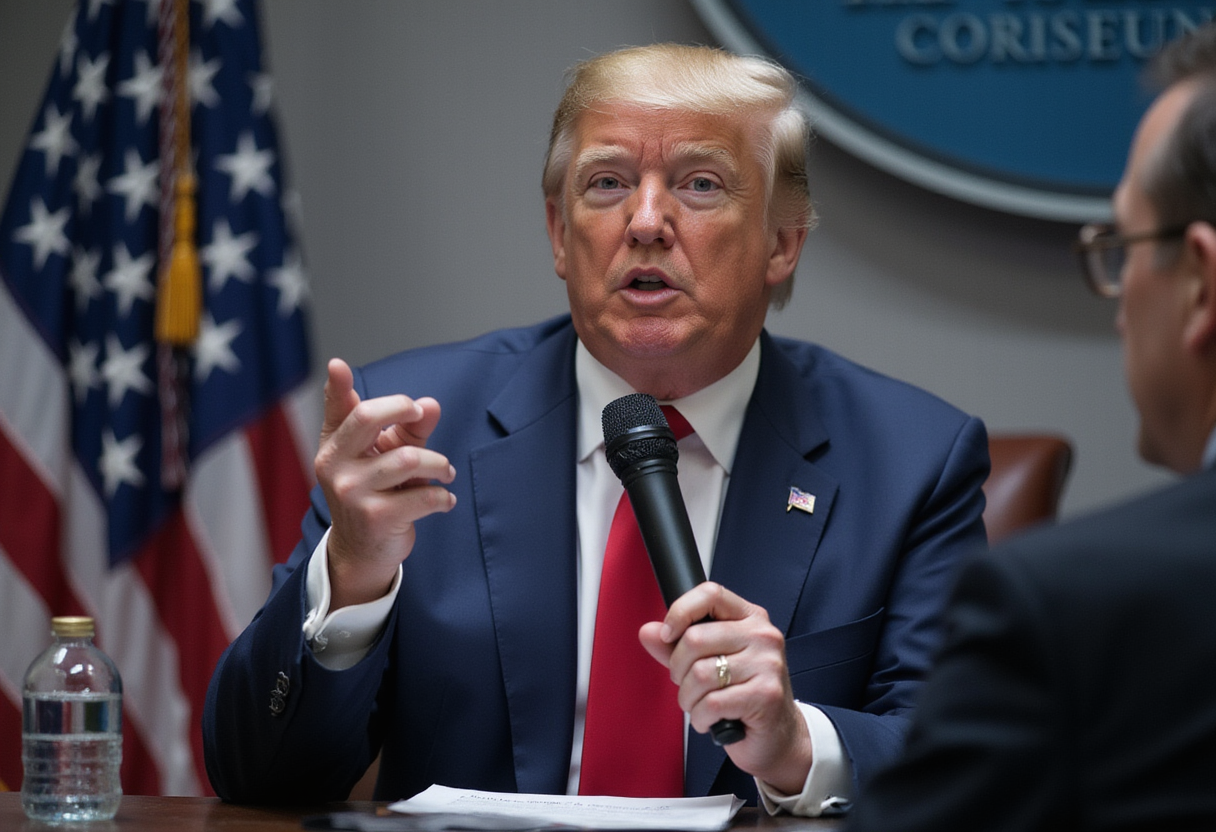
President Donald Trump has defended his sweeping tariff program on the argument that it has revived the US auto industry and American manufacturing at large. The claim came without accompanying plant-by-plant production data, leaving one of the trade's biggest policy assertions still unverified against actual output numbers.
The president framed the tariffs as a direct cause of new investment and hiring. As reported by WSMV, Trump argued his policies have revived the auto industry and returned manufacturing strength to the United States.
That is a claim, not a confirmed capacity plan. The speech did not, on the evidence available, itemize which plants have added shifts, lines or headcount since the tariffs took effect. For OEMs and tier suppliers, the distinction matters. Announced intentions routinely outnumber operational capacity additions.
What did the president actually say?
Trump positioned the tariff regime as the driver of an auto-sector turnaround. His argument rests on the premise that import duties push automakers and parts makers to localize production, invest in US plants and hire American workers.
The defense is political, not analytical. No production datasets, plant timelines or supplier investment commitments were cited in the reporting reviewed. Every promise of revival carries an implicit caveat: OEMs announce capacity plans when it suits capital-allocation narratives, and those plans shift with demand cycles.
What does this mean for plants and suppliers?
Tariff policy of this scale touches every tier of the supply chain:
- OEM assembly plants sourcing imported components face higher input costs.
- Tier 1 suppliers must decide whether to localize production or absorb duties.
- Tier 2 and 3 vendors dependent on export programs face the sharpest margin pressure.
- Investment announcements prompted by tariffs need verification against actual tooling orders and hiring data.
The manufacturing record on tariffs is mixed across administrations and sectors. Claims of revival require the same test as any supplier press release: check the production data. Until plant-level output, staffing and capacity figures appear, the revival narrative remains an assertion from the podium.
Auto manufacturers have previously announced US investment programs under tariff pressure, and some of those projects proceeded while others were delayed or rescinded. Which category the current wave falls into is the open question. The White House has not published a consolidated accounting of tariff-linked plant commitments.
What to watch next
Watch for three things. First, any OEM or major tier supplier announcement tying a specific plant, dollar figure and job count directly to tariff policy. Second, quarterly filings in which automakers disclose tariff costs, localization decisions or revised sourcing footprints. Third, the political timeline itself: tariff schedules, exemptions and trading-partner negotiations will shape whether localization economics hold. The claim of revival will be settled on plant floors, not in speeches.
via Google News: Auto industry policy (Source)
More from Amara Osei
Show full bio
Market editor covering technology and product news in Automotive manufacturing and vehicle production at Autoplant Brief.
205 articles