ECO-3023 · REV X · effective October 14, 2026
Auto Industry PolicyRELEASEDEngineering notice
Trump Defends Tariffs as Auto Industry Revival Argument
President Trump defended his tariff program, claiming it revived US auto manufacturing. The claim now faces verification against plant output, investment and staffing data.
Scope of change
- President Trump defended his sweeping tariffs as a policy that revived the auto industry and American manufacturing
- The defense frames tariffs as the driver of industrial revival, a claim requiring verification against production data
- Tariff-driven revival would show up in new plant announcements, expanded shifts and supplier localization programs
- Supplier announcements citing tariff policy should be verified against actual production and hiring figures
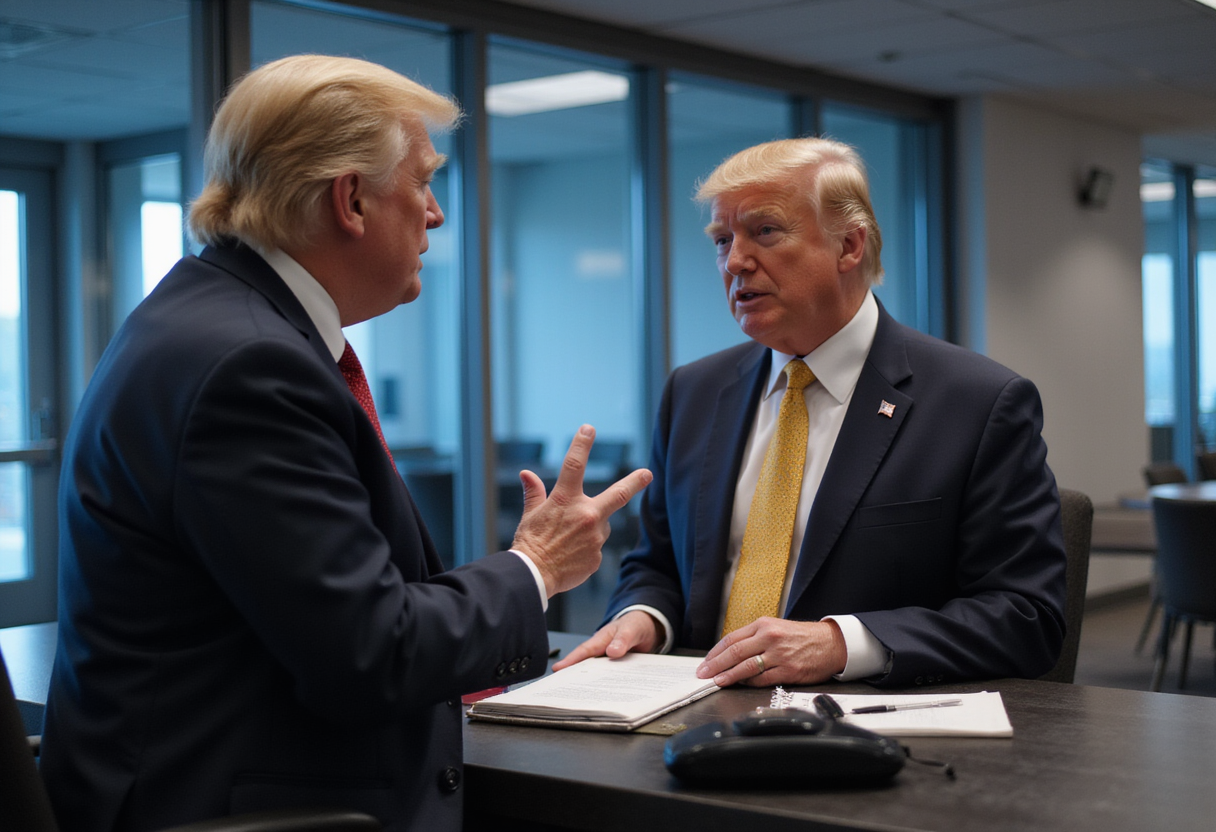
President Donald Trump has defended his sweeping tariff program, arguing the duties have revived the US auto industry and American manufacturing at large. The president's remarks come at a moment when automakers and suppliers are still pricing the cost of the trade policy into plant schedules and supplier contracts.
The claim itself is the story. A sitting president has tied his tariff regime directly to automotive output and factory employment, and that assertion now requires verification against production data, investment announcements and staffing levels across assembly and tier-one supplier plants.
What did the president actually say?
Trump argued his policies have revived the auto industry and American manufacturing. The statement is a defense of the broader tariff program, which has reshaped cost structures across the automotive supply chain since the measures took effect. For manufacturers, tariffs function as a tax on imported parts and vehicles (a duty paid at the border on foreign-sourced components and finished units), and the burden lands differently depending on how deeply a plant depends on imported content.
Treating the claim as a claim is the correct trade-press posture. Presidential assertions about industrial revival are political arguments, not capacity figures. What matters for plant planners is whether the tariff regime has shifted sourcing decisions, triggered new tooling programs, or moved assembly work back to US facilities.
How would a revival show up in the data?
An industry revival driven by tariff policy would leave measurable traces. The clearest signals would include new assembly plant announcements tied to tariff avoidance, expanded shifts at existing US stamping and powertrain facilities, and supplier localization programs that replace imported components with domestic production.
Each of those signals takes time to appear. Vehicle programs run on multi-year cycles, and a supplier deciding to localize a component line must tool a plant, validate the part and requalify the supply chain before any tariff-driven volume reaches the line. A policy shift of this scale would not show up in output statistics within a single quarter.
The verification problem for suppliers
Supplier and OEM announcements made in the shadow of tariff policy deserve the same scrutiny as any vendor claim. Companies have an incentive to frame investments as tariff responses, because doing so aligns them with the administration's priorities. Production data, shift schedules and actual hiring figures remain the hard evidence, and they lag the press releases.
For tier-one suppliers, the calculation is concrete: absorb the duty on imported components, renegotiate contracts with OEM customers, or commit capital to domestic capacity. Each path carries a different cost profile, and the choice determines where the next several years of production volume sits.
What to watch next
Watch the timing of any new plant or line announcements that cite the tariff program, and whether confirmed capital commitments follow the rhetoric. Watch quarterly production and employment figures from US assembly facilities for movement attributable to sourcing shifts. The president has made the argument; the manufacturing data will render the verdict.
via Google News: Auto industry policy (Source)
More from Sophie Lindqvist
Show full bio
Correspondent covering money, funding and market shifts around Automotive manufacturing and vehicle production at Autoplant Brief.
217 articles