ECO-3099 · REV F · effective November 13, 2026
Automation & RoboticsRELEASEDEngineering notice
Tier IV and Komatsu target 2027 for autonomous quarry dump trucks
Tier IV and Komatsu target 2027 for autonomous haulage at quarries in Japan and North America, covering three truck models up to 93.9 tonnes payload.
Scope of change
- Tier IV and Komatsu target 2027 for autonomous quarry and construction haulage in Japan and North America
- Three models covered: HD785 (93.9 t payload), HD605 (64.1 t) and HM400/460 articulated (42 t)
- Collaboration began September 2025 with Komatsu subsidiary Earthbrain
- Earthbrain fleet management to be integrated for whole-jobsite automation
- Komatsu's FrontRunner already leads autonomous haulage in large mines
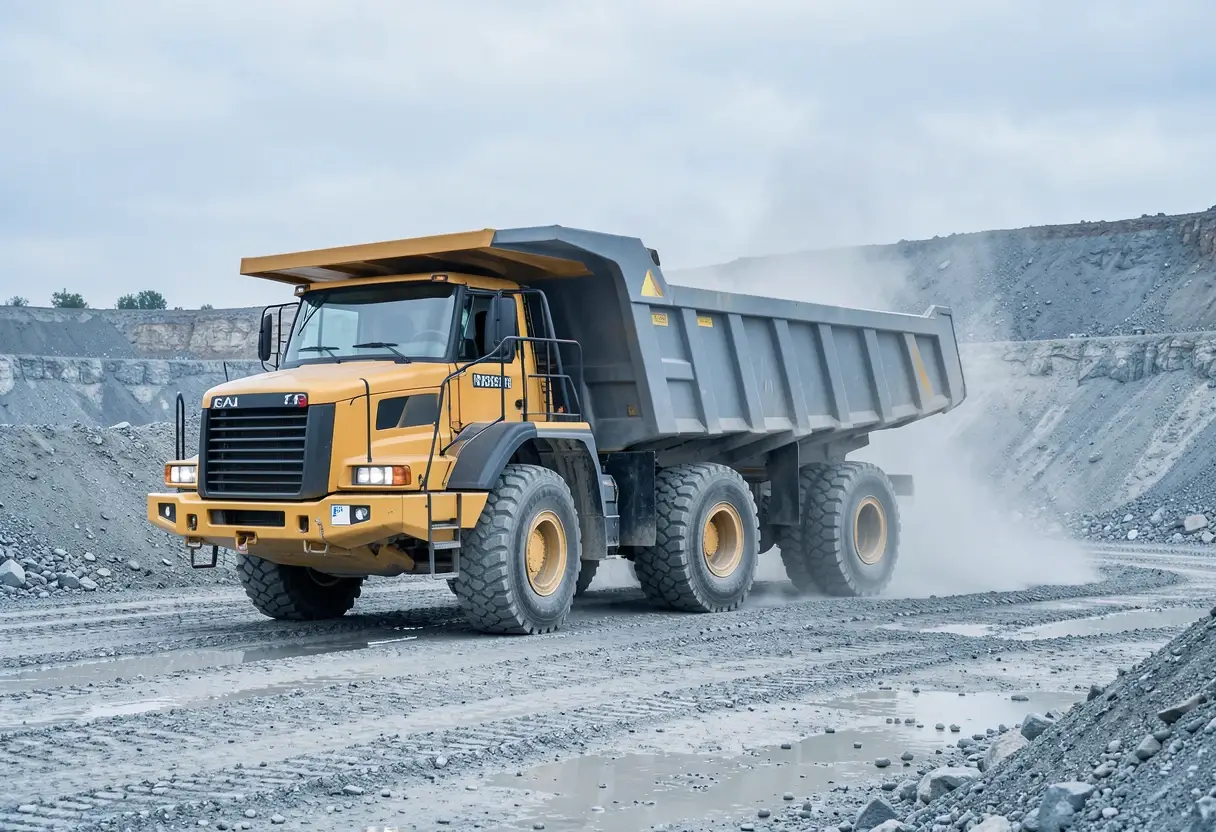
Tier IV and Komatsu have set 2027 as the target date for driverless haulage at quarries and construction sites in Japan and North America, with three Komatsu dump truck models under joint development — the largest rated at 93.9 tonnes payload.
The program covers the HD785 rigid dump truck (93.9 tonnes maximum payload), the HD605 rigid (64.1 tonnes) and the HM400/460 articulated truck (42 tonnes). The partnership extends a collaboration that began in September 2025 with Earthbrain, Komatsu's digital-services subsidiary.
Under the technical split, Tier IV supplies the autonomous driving software while Komatsu brings vehicle engineering, system integration and vehicle control. Together the systems must handle the full haulage cycle: loading, hauling and dumping on working sites. Earthbrain's fleet management system will be integrated as well, so automation covers the whole jobsite rather than individual trucks.
The companies plan to accumulate operating experience through verification tests and site deployments before a wider rollout. They have not disclosed how many trucks or sites the 2027 launch will involve, so treat the date as an announced intention rather than a confirmed production milestone.
Why Komatsu is partnering rather than extending FrontRunner
Komatsu already leads autonomous haulage in large mines through its FrontRunner system, which has operated ultra-class mining trucks for years. Quarries and construction sites are a different problem. They are smaller and more varied, with more human-operated equipment working alongside the automated trucks.
That environment is closer to complex road conditions than to a fenced mine pit — which is where Tier IV's software comes from. The company built its technology on Autoware, an open-source autonomous driving stack, for road environments. Deploying it off-road is the logical extension.
What does this change for quarry operators?
Potentially, the cost base. Proprietary mining autonomy systems were priced for fleets of ultra-class trucks and have largely not served operators running a handful of machines. Autoware-based technology could lower system costs enough to make autonomy viable for small-fleet quarry and construction customers — a segment Caterpillar is also targeting with quarry haulage automation.
The Earthbrain integration also signals where the suppliers see the value shifting. If loading, hauling and dumping are coordinated across an entire site through fleet management software, the product becomes jobsite orchestration, not a self-driving truck. That favours equipment makers who control both the machines and the site software layer.
A market getting crowded
Off-road autonomy is no longer a two-horse race. Volvo has bundled its autonomous solutions into a new mining unit, and Kodiak Robotics is already running driverless trucks in the Permian Basin oilfields. Komatsu moving down the payload scale with a software partner is a defensive as much as an offensive move — it protects the mid-size haulage segment before entrants from road autonomy claim it.
Safety validation remains the gating item. Mixed fleets and workers on foot make quarry sites harder to certify than controlled mine environments, and the partners' stated plan to build operating experience through staged deployments reflects that.
What to watch next: verification-test announcements through 2026, the first named quarry sites in Japan or North America, and whether Tier IV and Komatsu disclose fleet sizes for the 2027 launch — the number that would confirm whether small-fleet economics are real or aspirational.
via Automotive World (Source)
More from Marcus Bennett
Show full bio
News editor covering regulation, policy and their impact on Automotive manufacturing and vehicle production at Autoplant Brief.
299 articles
Also circulated
- Japanese Auto Industry Automation Use Hits Five-Year High
- Hyundai to Run Level 4 Autonomous Truck Trials in 2027
- Tesla to End Cybertruck Production by Q2 2027 for Cybercab Switch
- Daimler Truck–Volvo JV Coretura Picks Alloy Kore OS for Truck Software
- Major auto suppliers turn to AI to navigate supply-chain woes