ECO-8590 · REV A · effective October 9, 2026
Vehicle Plants & ProductionAPPROVEDEngineering notice
Tesla Q3: 464,000 built, 486,000 delivered as output steadies
Tesla produced 464,000 vehicles and delivered just over 486,000 in Q3 2026, capping a first-three-quarter stretch marked by consistent output. The Q3 build figure is Tesla's highest single-quarter result of 2026 so far.
Scope of change
- Tesla produced 464,000 vehicles in Q3 2026
- Tesla delivered just over 486,000 vehicles in Q3 2026
- Deliveries outpaced production by roughly 22,000 units in the quarter
- Q3 build figure is Tesla's highest single-quarter output of 2026 so far
- 2026's first three quarters delivered consistent output after a mixed 2025
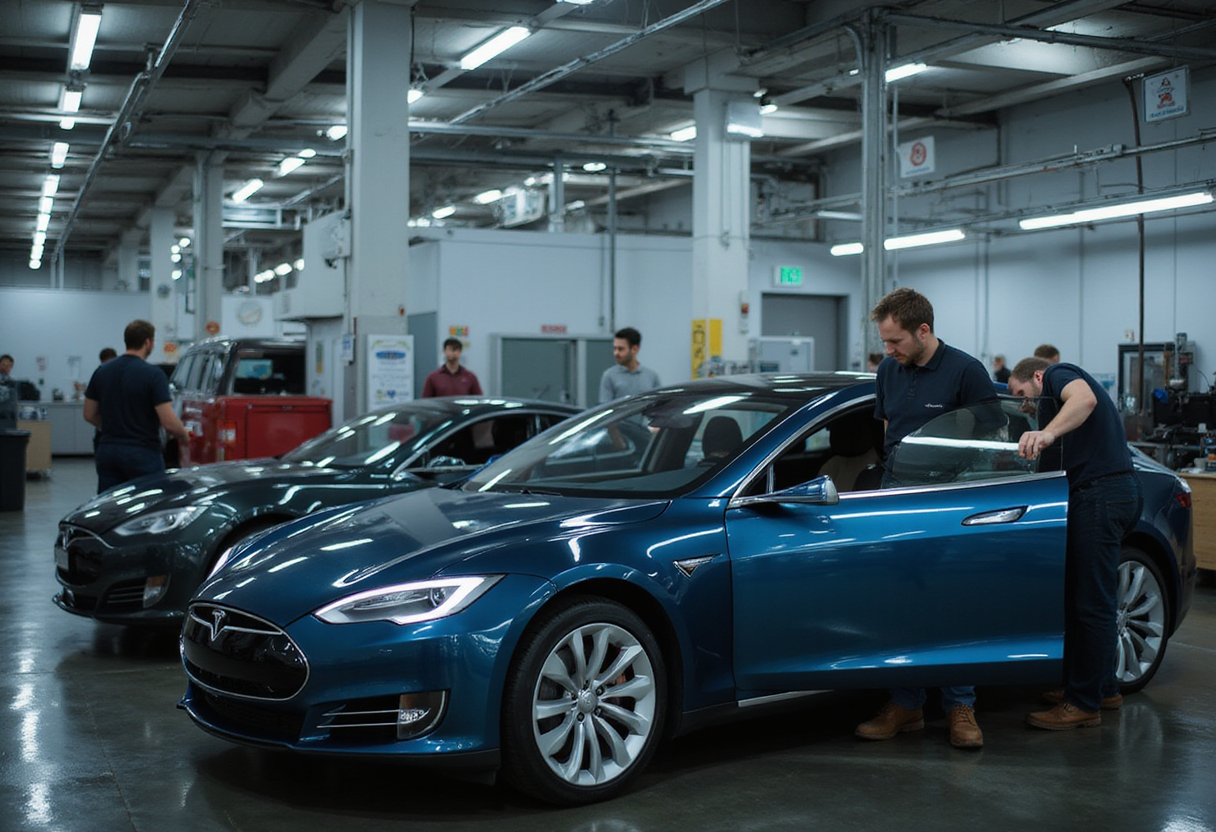
Tesla produced 464,000 vehicles and delivered just over 486,000 in the third quarter of 2026, the company reported — a return to consistent quarterly footing after a mixed 2025.
The Q3 build figure is the highest single-quarter output Tesla has posted so far this year. Through nine months, the company has tracked production and deliveries at consistent levels, contrasting with the uneven cadence that defined 2025's opening nine months. Tesla's 2025 only steadied toward year-end.
What is driving the steadier cadence?
Tesla operates four vehicle-assembly plants globally — Fremont, California; Shanghai; Berlin-Brandenburg; and Austin, Texas — but does not break out per-site production in its quarterly disclosures. The consolidated Q3 number implies an annualized run-rate near 1.86 million vehicles. Tesla's installed annual nameplate capacity across the four plants sits north of 2 million units, based on prior company disclosures. That leaves meaningful headroom on the lines before any incremental capacity comes online.
Deliveries outpaced production by roughly 22,000 units in the quarter. The gap points to Tesla drawing on existing inventory to feed customer handovers — a pattern the company has used historically to manage late-quarter delivery timing. Channel stock at the EV maker typically runs between 10 and 30 days; the implied Q3 drawdown sits at the wider end of that band.
How does the build-versus-delivery split affect working capital?
A 22,000-unit surplus of handovers over production can compress channel inventory if it repeats across consecutive quarters. More often, the gap reflects vehicles in transit at quarter-end that book in the following period. Tesla has used similar patterns during prior ramps, including the Shanghai Model Y push through 2021 and 2022.
What should suppliers and tier-1 partners watch?
For tier-1 suppliers in battery cells, power electronics, and seating, the steadier cadence matters more than the headline number. Order timing for press tools and seat foam typically locks six to nine months ahead of build; consistent quarterly output lets suppliers hold inventory closer to lean targets. A return to the more volatile pattern of 2025 would force suppliers back into buffer-stock mode and pressure working capital.
Industry attention turns next to Tesla's fourth-quarter release. The company typically reports Q4 and full-year results in early January, which will confirm whether the cadence holds through year-end and reveal any updates on Cybertruck volume at Austin and Model Y refresh output across the Shanghai and Berlin-Brandenburg lines.
One open question is whether Tesla reintroduces site-level production disclosure. The company dropped per-plant breakdowns from its quarterly reports several years ago, citing competitive reasons. A return to that format would give tier-1 suppliers — in stamping, seating, and battery packs — clearer visibility into order timing, where planning windows typically run six to nine months ahead of build.
What to watch next
The Q4 2026 release, due in early January 2027, plus management commentary on Cybertruck throughput at Giga Texas and Model Y mix across the Shanghai and Berlin lines.
via electrive (Source)
More from Sophie Lindqvist
Show full bio
Correspondent covering business strategy at Autoplant Brief.
172 articles