ECO-1599 · REV F · effective September 29, 2026
Vehicle Plants & ProductionRELEASEDEngineering notice
Tesla's Plant Overhang Pushes Musk Toward Robotics
Tesla's assembly overcapacity and first annual delivery decline are pushing Musk to reframe the company around robotics, Forbes reports — leaving plants waiting for product.
Scope of change
- Tesla reported its first annual delivery decline in 2024 amid assembly overcapacity in Fremont, Austin and Gruenheide
- Musk is shifting the investor narrative toward the Optimus humanoid robot program as vehicle momentum slows
- No confirmed volume-production date exists yet for the affordable model or robotaxi at a named Tesla plant
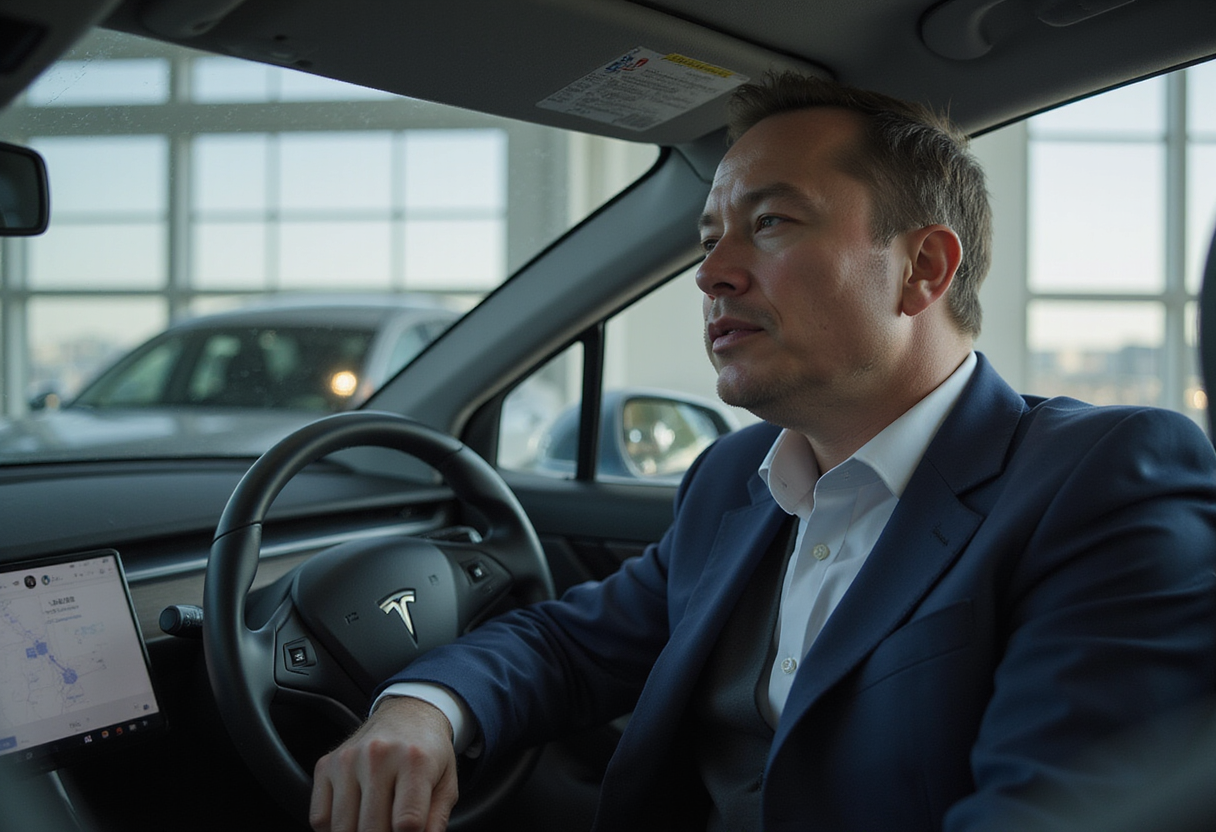
Tesla's automotive operations are carrying a plant problem, and CEO Elon Musk is now steering the company's narrative toward robotics as a result, Forbes reports.
The headline number in this story is not a new capacity figure or a production record — it is the absence of one. Tesla built out assembly capacity during its 2021–2023 expansion phase, when the Austin, Texas, and Gruenheide, Germany, plants came online alongside Fremont, California, and Shanghai. That buildout left the company with more manufacturing footprint than its current vehicle lineup can absorb.
The consequences are visible in the numbers Tesla has already disclosed. Vehicle deliveries fell in 2024, the first annual decline in the company's history as a volume manufacturer. Plants in Fremont and Gruenheide have operated below their designed rates. The Cybertruck program, launched at Austin in late 2023, has scaled more slowly than the company's earlier product ramps.
Into that gap, Musk is inserting robots.
The pivot is not new — Tesla has pitched its Optimus humanoid robot program since 2021, originally framed as the "Tesla Bot." What has changed is the emphasis. With the automotive story harder to sell to investors — an aging Model 3 and Model Y lineup accounting for the bulk of volumes, and the promised sub-$25,000 model reportedly shelved — robotics has moved from a side project to the centerpiece of Musk's long-term pitch for the company's value.
That pitch carries weight because Tesla's market capitalization has long rested on promises beyond car manufacturing: full self-driving software, robotaxis, and now humanoid robots. The Forbes analysis frames the shift bluntly: the auto plant hangover — too much capacity, too little product momentum — is steering Musk into robotics as the next justification for that valuation.
For manufacturing watchers, the read-across is straightforward. Tesla's overcapacity is not a Tesla-only problem. Global EV assembly capacity outran demand growth in 2024, and several OEMs and suppliers have cut shifts or paused line expansions. Tesla's response — redirecting investor attention rather than redirecting capital into new vehicle programs — is a distinct strategic choice, and one that leaves its existing plants with an unresolved question: what product fills them.
Musk has pointed to more affordable models and the robotaxi program as the answer. Neither has a confirmed volume-production date at a named plant.
What to watch next: Tesla's next quarterly delivery report against its installed assembly capacity; any confirmed start of production for the affordable model at Austin or Fremont; and whether Optimus moves beyond prototype demonstrations into Tesla's own factory floors as a production tool — the metric that would tell manufacturers whether the robotics pivot is operational or purely financial storytelling.
via Google News: Auto plant and vehicle production (Source)
More from Amara Osei
Also circulated
- Tesla Scraps India EV Plant Plans, Report Says
- Tesla Starts Series Deliveries of Semi Truck in Nevada
- Japanese Auto Plants Post Strongest Robot Uptake in Five Years
- Mitsubishi to Build Humanoid Robots at Former Engine Plant
- Tesla Semi Production Starts in Nevada: 50,000-Truck Capacity, No Volume Commitment